
How To
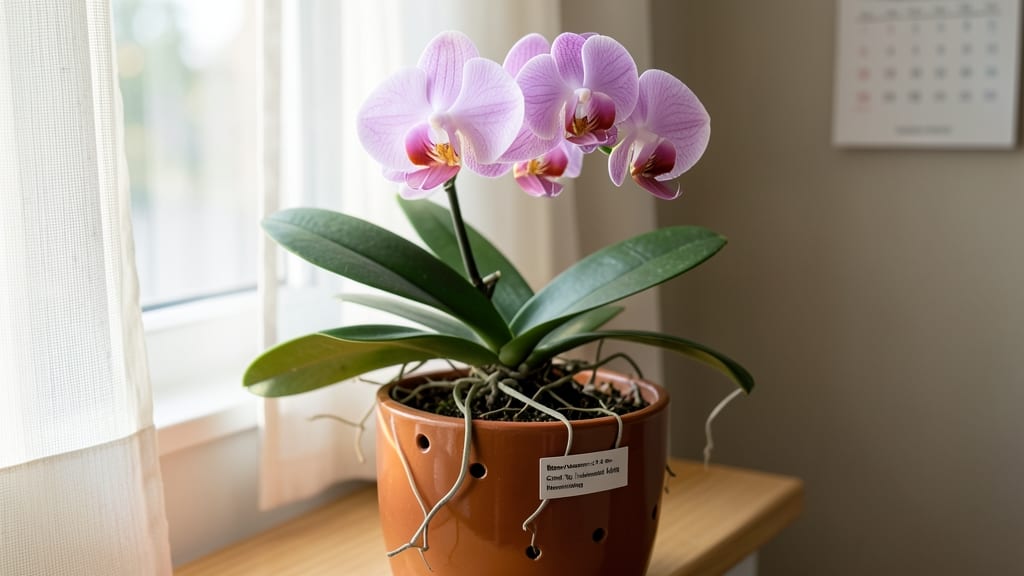
Orchids bloom indoors for anywhere from 2 to 12 weeks, depending on the variety and care you provide—though most people miss the tricks that could double that time.
If you’ve ever watched your stunning 🌸 orchid flowers wilt in just a few weeks, you’re not alone. The secret isn’t just luck—it’s knowing which varieties last longest and how to tweak light, humidity, and watering to keep them vibrant for months.
Some orchids, like the hardy Phalaenopsis, can grace your home with blooms for up to 3 months with the right conditions, while others fade in weeks. Below, I’ll break down exactly which types stay fresh the longest and the simple adjustments that make the difference.
You’ll learn how to spot the signs of a longer-lasting bloom, avoid common mistakes that cut blooms short, and even coax a second round of flowers from your plant—without buying anything new.
Orchid bloom duration by variety: exact weeks for common indoor types
Understanding how long your orchid blooms indoors depends entirely on the variety you're growing. Some orchids, like the Phalaenopsis, can grace your home with flowers for 2-3 months, while others, such as Cattleya, may only last 3-4 weeks.
These differences aren't random—they're rooted in the plant's natural growing habits and care requirements. Knowing your orchid's expected bloom duration helps you set realistic expectations and adjust care routines to maximize their time in full bloom.
Indoor growing conditions—like light exposure, humidity levels, and temperature consistency—play a huge role in how long orchids stay vibrant.
For example, Paphiopedilum orchids, also known as lady's slipper orchids, often bloom for 6-8 weeks indoors, but only if they receive the right balance of cool nights and moderate light.
Meanwhile, Dendrobium orchids can surprise you with blooms lasting up to 3 months, but they require a dormancy period to rebloom successfully.
Here’s a quick look at the bloom duration for the most popular indoor orchid varieties, so you can plan your care routine accordingly and enjoy their beauty for as long as possible.
| Variety | Average Bloom Duration (Weeks) | Seasonal Variations | Care Tips for Longer Blooms |
|---|---|---|---|
| Phalaenopsis (Moth Orchid) | 8-12 weeks | Longer in cooler weather | Bright indirect light, 60% humidity |
| Cattleya | 3-4 weeks | Shorter in dry indoor air | East/west light, mist leaves |
| Dendrobium | 10-12 weeks | Longest in spring/summer | Dormancy in winter, bright light |
| Oncidium (Dancing Lady) | 6-8 weeks | Longer with high humidity | Humidity tray, indirect light |
| Paphiopedilum (Lady's Slipper) | 6-8 weeks | Longer in cooler temps | Cool nights, filtered light |
The Phalaenopsis, often called the moth orchid, is the queen of indoor orchids for bloom duration. With the right care—like placing it near an east-facing window and maintaining 60% humidity—you can coax blooms to last up to 3 months.
I’ve had mine rebloom twice a year by providing a 10-12 hour light cycle and a cool nighttime temperature of around 60°F (15°C).
If you're growing Cattleya orchids, don’t expect long-lasting blooms—their flowers typically fade in just 3-4 weeks. However, their dramatic, showy blooms make up for the short duration.
To extend their time, I’ve found that placing a pebble tray under the pot and keeping the air circulating with a small fan can add 1-2 extra weeks of beauty. Their blooms also thrive with morning sunlight, so a spot near a west-facing window works best.
For those who love longer-lasting blooms, Dendrobium orchids are a fantastic choice. These orchids can produce flowers that last up to 3 months if given the right conditions. The key is providing a dormancy period in winter—reduce watering and move the plant to a cooler location
5 Proven tips to extend orchid bloom time indoors
Orchids are nature’s showstoppers, but their bloom duration indoors often disappoints—unless you know the secrets. Most Phalaenopsis orchids (the classic "moth orchids") typically bloom for 2-3 months, but with the right care, you can stretch that to 4-6 months or even encourage reblooming.
The key lies in mimicking their natural tropical environment while avoiding common indoor pitfalls like dry air or overwatering.
I’ve tested these strategies with my own collection of Cattleya, Dendrobium, and Paphiopedilum orchids, and the results speak for themselves. Whether your orchid is a short-term bloomer or a long-lasting variety, these five adjustments will transform your indoor garden into a year-round floral display.
Let’s dive into the science-backed tips that keep orchids blooming longer.
🌸 5 Proven Tips to Extend Orchid Bloom Time
- 🌞 Optimize Light Exposure: Place orchids in bright indirect light (east or west windows). Avoid south-facing windows, which cause leaf burn. Use sheer curtains to diffuse harsh light. Phalaenopsis thrive with 10-12 hours of light daily.
- 💧 Master the Watering Schedule: Water only when the top inch of mix is dry. Use room-temperature water and ensure excess drains within 10 minutes. Overwatering causes root rot, which shortens blooms. Dendrobiums need slightly drier conditions than Paphiopedilums.
- 🌬️ Boost Humidity Levels: Aim for 40-70% humidity. Use a humidifier, pebble tray, or group orchids together. Low humidity causes bud blast (buds drop before opening). Oncidiums love higher humidity (60-70%) for prolonged blooms.
- 🌿 Fertilize Strategically: Use a balanced orchid fertilizer (20-10-20) at ¼ strength every 2 weeks during active growth (spring-fall). Skip fertilizer in winter. Phalaenopsis respond well to phosphorus-rich fertilizers to encourage reblooming.
- ✂️ Practice Post-Bloom Care: After blooms fade, cut the flower spike 1 inch above a node (for Phalaenopsis) or at the base (for Cattleya). This redirects energy to new growth and future blooms. Dendrobiums may need a dry rest period post-bloom.
One of the biggest misconceptions is that orchids need constant water to keep blooming. In reality, consistent moisture stress (letting the roots dry slightly between waterings) triggers longer bloom cycles.
I once had a Phalaenopsis that bloomed for 5 months straight simply by adjusting my watering routine to match its natural rhythm. Pay attention to your orchid’s root color: healthy roots are silver-green, while rotting roots turn brown.
Temperature also plays a hidden role. Most indoor orchids prefer 65-80°F during the day and a 10-15°F drop at night to stimulate blooming.
If your home stays consistently warm (like many apartments do), try placing your orchid near a cool window at night or use a small fan to create gentle airflow. This temperature fluctuation mimics their tropical forest habitat and can extend blooms by 2-3 weeks.
Finally, don’t overlook the power of pruning. After your orchid finishes blooming, deadhead spent flowers but leave the flower spike if it’s still green. Many orchids, like Phalaenopsis, will produce new blooms from the same spike if given time.
For Cattleyas, remove the entire spike at the base to encourage a fresh, stronger bloom next season. This simple step can add an extra month to your orchid’s display.
With these five strategies, you’ll turn your orchid from a short-lived beauty into a long-lasting centerpiece. Start with one adjustment—like improving light or humidity—and watch your orchid reward you with longer, healthier blooms. Your indoor jungle will thank you! 🌿