
How To
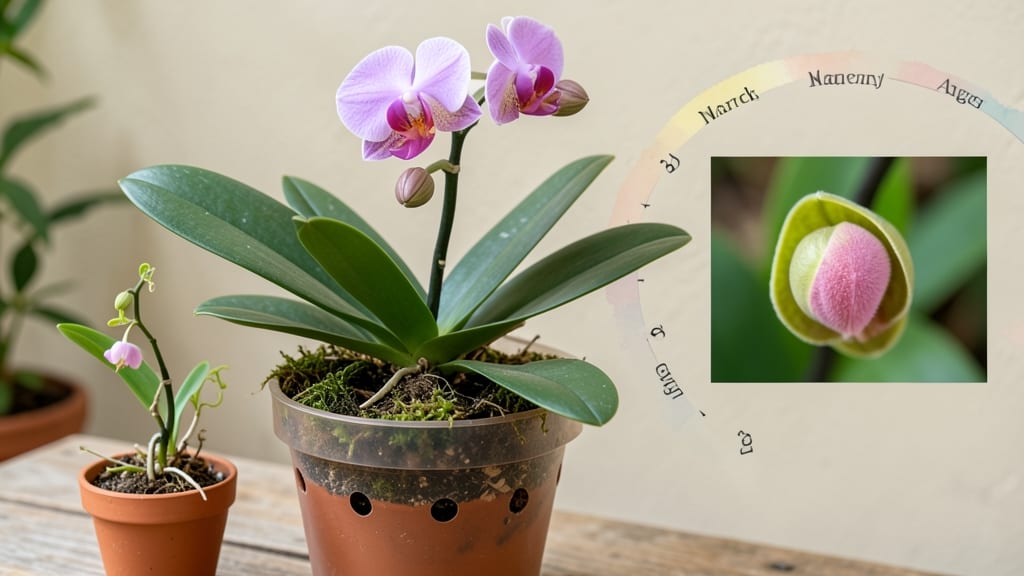
Orchids take between 6 months and 2 years to bloom again after their first cycle, depending on the type and care you provide.
Wondering why your stunning orchid flowers keep disappearing faster than you’d like? Understanding the orchid reblooming cycle—and how to influence it—could mean enjoying vibrant blooms year after year, not just once every few seasons.
Some varieties, like the popular Phalaenopsis, may rebloom as soon as 6 months with the right conditions, while others, such as Cattleyas, can take up to 2 years.
The key lies in light, watering, and even dormancy periods—all of which we’ll break down to help you reset your orchid’s internal clock for faster, more frequent blooms.
Below, I’ll walk you through seasonal triggers, species-specific timelines, and the 5 biggest mistakes that stall reblooming—so you can go from waiting years to seeing new flower spikes in just a few months.
Orchid reblooming timeline: how long until flowers return?
Orchids are famous for their stunning blooms, but many gardeners wonder why their favorite plants seem to take forever—or never—return to flower. The truth is, orchid reblooming timelines vary dramatically by species, and understanding your plant’s natural cycle is key to encouraging repeat performances.
Some orchids reward you with year-round blooms, while others need seasonal triggers like cooler nights or reduced watering to set buds for next season.
For example, my Phalaenopsis orchids (the classic "moth orchids") often rebloom within 6-12 months if given the right care, while Cattleya orchids might take 1-2 years between blooms. The difference comes down to their natural growing patterns, light needs, and how we mimic their wild habitat conditions at home.
Let’s break down what to expect—and how to speed things up.
⚠️ CRITICAL INSIGHT: Most orchids need 3-6 months of recovery time after blooming before they’ll produce new flower spikes. Skipping this rest period often delays—or even prevents—reblooming entirely. Think of it like giving your orchid a "vacation" before its next big show.
The Phalaenopsis orchid is the fastest rebloomer on this list, often sending out new flower spikes within 6 months of its last bloom—if you provide the right conditions. The secret? After your orchid’s blooms fade, let the flower spike dry out completely (it’ll turn brown and crispy).
Then, when you see a new green bud forming at the base of the old spike or from the plant’s rhizome, that’s your cue to increase humidity and fertilizer to encourage blooming.
For Cattleya orchids, patience is key. These tropical beauties often need 12-24 months between blooms because they require a temperature shift to trigger flower production. In their natural habitat, Cattleyas experience cooler nights followed by warmer days.
You can mimic this by moving your plant to a cooler spot at night (55-60°F) while keeping daytime temps around 75-80°F. This 10°F night drop is the magic trigger for bud formation.
If you’re growing Dendrobium orchids, their reblooming cycle is tied to seasonal dormancy. These orchids need a 6-8 week dry rest period in late fall or winter to set buds for spring blooms.
During dormancy, reduce watering to once every 3-4 weeks and stop fertilizing entirely. Once you see new pseudo-bulbs starting to swell in spring, resume regular watering and feeding to encourage blooming.
Light plays a huge role in reblooming speed, especially for Phalaenopsis. These orchids need 12-14 hours of daylight to set buds, but too much direct sun can burn their leaves. Place your orchid near an east-facing window or under grow lights for 10-12 hours daily.
If your home lacks natural light, a simple LED grow bulb (like a full-spectrum 6500K bulb) can work wonders for encouraging reblooms.
One common mistake I see is overwatering after an orchid blooms. While it’s tempting to keep the roots happy, letting the plant dry out slightly between waterings helps signal it’s time to rest.
For Phalaenopsis, water every 7-10 days in summer and every 10-14 days in winter. For Dendrobium, almost no water during dormancy is best. Always check the media moisture by lifting the
5 Key triggers to speed up your orchid’s next bloom
Orchids don’t bloom on a strict schedule—they respond to subtle environmental cues. If your Phalaenopsis or Cattleya seems stuck in leafy limbo, it’s likely waiting for the right triggers. Light exposure, temperature shifts, and even your watering routine can accelerate—or delay—reblooming.
The good news? With a few targeted adjustments, you can coax your orchid into producing new flower spikes months sooner than expected.
First, let’s address the biggest myth: orchids bloom when they’re "ready." In reality, they bloom when they receive the right combination of signals.
For example, Phalaenopsis orchids need a cool nighttime temperature drop (around 55–60°F) to trigger flower spikes, while Cattleyas thrive with cooler winter nights (down to 50°F) and warmer days. Ignoring these cues can leave your orchid in a vegetative state for years.
- 1 Adjust Light Cycles: Move your orchid to a bright, indirect light spot (e.g., east-facing window) for 10–12 hours/day. Avoid direct sun, which can scorch leaves. For Phalaenopsis, a 14-hour light day mimics tropical conditions and encourages reblooming faster.
- 2 Simulate Seasonal Changes: For Cattleyas, introduce cooler nights (50–55°F) in fall/winter to break dormancy. Use a fan or AC near the plant at night. Phalaenopsis need humidity spikes (60–70%)—place the pot on a pebble tray with water to mimic tropical rains.
- 3 Fertilize Strategically: Switch to a high-phosphorus fertilizer (e.g., 10-30-20) when you spot new growth. Apply every 2 weeks during spring/summer, but reduce to monthly in fall/winter. Avoid over-fertilizing—root burn halts blooming entirely.
- 4 Water with Purpose: Let the top inch of bark dry between waterings. For Phalaenopsis, soak the pot for 10 minutes once a week, then drain. Cattleyas prefer drier conditions—water every 10–14 days. Overwatering triggers rot and stunted growth, delaying blooms.
- 5 Avoid Common Mistakes: Never repot during bloom time—wait until flowers fade. Also, don’t prune dead spikes until they turn brown; some orchids (like Dendrobium) rebloom from old canes. Finally, rotate your pot weekly to ensure even light exposure.
Timing is everything. For Phalaenopsis, you’ll typically see new flower spikes in 6–12 weeks after adjusting these triggers. Cattleyas may take 3–6 months to respond, but the wait is worth it for those show-stopping blooms.
Pro tip: Keep a care journal to track when you made changes and when spikes appear—this helps you refine your approach for next time.
Remember, orchids are sensitive to stress. Sudden changes in light, temperature, or water can shock the plant, so introduce adjustments gradually. For example, if you’re moving your orchid to a cooler spot, do it over 1–2 weeks to avoid shock.
Patience and consistency pay off—with these triggers, your orchid could surprise you with reblooms every 6–12 months instead of waiting years.
🌸