
How To
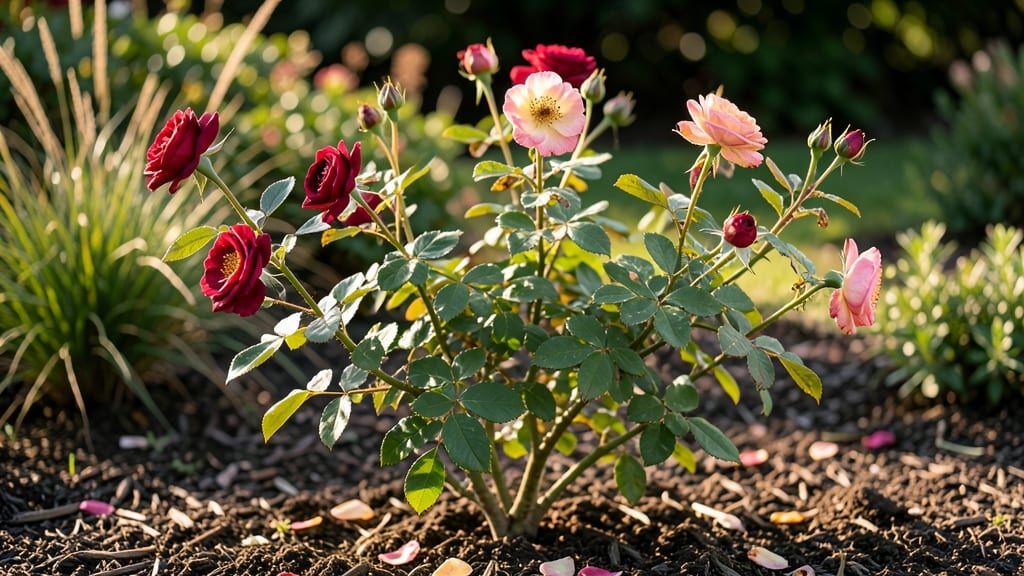
Roses bloom for 3 to 7 days per flower, though repeat-blooming varieties like hybrid teas and floribundas produce new buds every 2–4 weeks throughout their growing season (spring to fall). Old-garden roses often bloom once in spring or summer for 1–2 weeks total. Proper pruning and care extend bloom duration and frequency.
Understanding how long roses stay in bloom depends on their type and growing conditions.
Repeat-blooming roses like Knock Out varieties thrive with consistent care, producing fresh flowers every few weeks from spring through fall. 🌸 Meanwhile, heirloom roses typically enjoy just one spectacular bloom cycle per year, but each flower lasts longer—sometimes up to 10 days—thanks to their hardy genetics.
The key difference lies in their genetic programming: modern hybrids focus on frequent blooms, while old varieties prioritize longevity.
What many gardeners don't realize is that environmental factors play a huge role. Roses grown in full sun (6+ hours daily) with well-draining soil often bloom longer than those in shady spots.
I've found that regular deadheading (removing spent blooms) tricks the plant into producing more flowers, while proper winter pruning sets the stage for next year's extended blooming season. The right balance of water, nutrients, and sunlight can add 2-3 extra days to each flower's lifespan.
💡 In This Article
- Roses Bloom Duration by Variety: Single vs Repeat Flowering
- Extending Rose Bloom Life: Pruning and Care Tips
Roses bloom duration by variety: single vs repeat flowering
The bloom duration of roses varies dramatically between single-blooming and repeat-flowering varieties due to their genetic makeup. Single-blooming roses, like the classic David Austin English roses or climbing roses, produce one spectacular flush of flowers per season, typically lasting 7-14 days per bloom.
These varieties prioritize flower longevity over frequency, often developing larger, more hardy blooms that can withstand outdoor conditions longer. Their genetic programming focuses on storing energy for one extended display rather than multiple shorter cycles.
Repeat-blooming roses, such as hybrid teas or Knock Out roses, follow a different strategy. These varieties produce flowers in cycles, with each individual bloom lasting 3-7 days before wilting. The plant then generates new buds every 2-4 weeks during the growing season.
This continuous flowering is driven by their ability to produce multiple sets of flower buds on the same stem, a trait developed through selective breeding.
For example, a hybrid tea rose might produce 12-15 blooms per season, each lasting about 5 days, while a single-blooming shrub rose could have just 3-5 blooms that last 10 days each.
The science behind these differences lies in their hormonal regulation. Single-blooming roses allocate more energy to developing a few large, long-lasting flowers, while repeat-bloomers invest in frequent but shorter-lived blooms.
Temperature also plays a role: cooler nights can extend bloom duration by slowing metabolic processes, while hot, dry conditions often shorten it. I've noticed that repeat-bloomers thrive in zones 5-9 with consistent moisture, while single-bloomers often handle harsher climates better due to their hardier genetic structure.
Another key factor is the plant's growth habit. Repeat-bloomers often have a more compact, bushy growth pattern that encourages continuous flowering, while single-bloomers may have longer canes that produce fewer but larger blooms.
For instance, a climbing rose might produce just 1-2 blooms per stem that last 10-14 days, whereas a floribunda rose could have 20+ small blooms over a 3-month period, each lasting 4-6 days. This structural difference directly impacts how gardeners approach pruning and care for each type.
Understanding these genetic and structural differences helps explain why some roses seem to bloom continuously while others have just one grand display. The choice between the two often comes down to gardening goals: frequent, smaller blooms for cut flowers or seasonal highlights, versus fewer but longer-lasting displays for landscape impact.
Both approaches offer unique rewards when cared for properly.
For example, if you're growing roses for cut arrangements, repeat-blooming floribundas provide a steady supply of fresh blooms, while single-blooming climbers offer dramatic, long-lasting centerpieces.
The trade-off lies in maintenance: repeat-bloomers require more frequent deadheading and feeding to sustain their flowering cycles, while single-bloomers need less attention but may require more aggressive pruning to encourage future blooms.