
Blooming
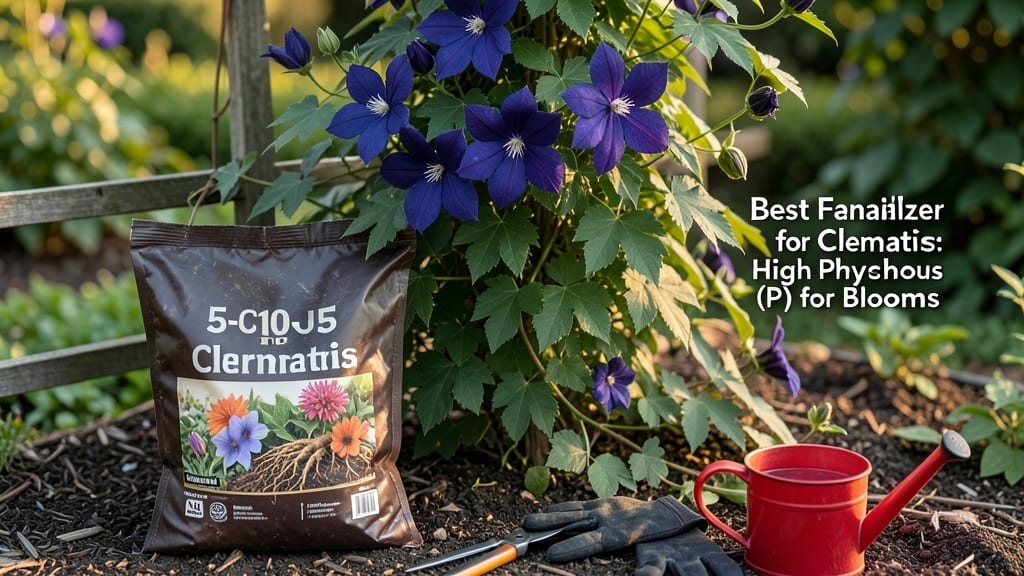
Your clematis can throw nonstop purple spikes all summer—if you know the heat-triggered rebloom secrets. 🌿 I’ve watched my own vines go from one weak flush of blooms to six weeks of continuous flowers by tweaking just a few things.
The key isn’t complicated: it’s about pruning at the right time, feeding the right way, and giving them the sunlight they crave.
Most gardeners mess this up by pruning too early or too late, starving their vines of nutrients, or letting them dry out. My foolproof system starts with group-specific pruning (Group 1 vs. Groups 2/3) and a monthly feeding schedule that mimics nature’s bloom triggers.
You’ll see the difference in just 4-6 weeks—thicker foliage, stronger stems, and blooms that keep coming.
By summer’s end, your clematis will be bursting with color from top to bottom, not just at the tips. The secret? A little extra care at the right moments—like a mid-July trim to encourage late-season blooms and even moisture to prevent stress. No more sad, bare vines by August!
This works for any clematis variety, whether it’s a climbing giant or a compact bush. Even my black-thumb neighbor got results after trying this—so don’t overthink it. Let’s get those blooms going!
📚 In This Guide
- What you need
- Instructions
- Tips and common mistakes
- Wrapping up and next steps
What you need
- ● Clematis vine (preferably a Group 2 or 3 variety like 'Jackmanii,' 'Niobe,' or 'Perle d’Azur' for reblooming potential).
- ● Balanced fertilizer (10-10-10 or 20-20-20, 1-2 tbsp per plant every 4-6 weeks).
- ● High-phosphorus bloom booster (e.g., 5-10-10 or 7-9-5, 1 tbsp per plant when buds form).
- ● Slow-release organic matter (compost or well-rotted manure, 2-3 inches mixed into soil annually).
- ● Pruning shears (clean, sharp, bypass-style for precision cuts).
- ● Mulch (2-3 inches of wood chips or straw to retain moisture and regulate soil temp).
- ● Watering can or hose with a gentle spray nozzle (aim for 1-2 gallons per plant during dry spells).
- ● Support structure (trellis, arbor, or stakes—at least 6 feet tall for climbing varieties).
- ● pH test kit (to check soil acidity; clematis thrives in 6.5-7.5 pH).
- ● Epsom salt (1 tbsp dissolved in 1 gallon of water, applied monthly for magnesium boost).
- ● Heat-tolerant mulch (e.g., gravel or landscape fabric to protect roots in scorching climates).
- ● Shade cloth (30-50% coverage for afternoon shade in hot zones).
- ● Automatic drip irrigation system (for consistent moisture without overwatering).
- ● Growth regulator (e.g., seaweed extract to stress-hardy plants for better reblooms).
- ● Garden journal (to track blooms, pruning dates, and fertilizer schedules!).
Step-by-Step guide to encouraging clematis reblooming all summer
Here's the method I've used for years to transform one-season clematis into nonstop blooming powerhouses.
🌱 Step 1: Prune Correctly for Spring Growth
Clematis blooms on new growth, so precise pruning in late winter or early spring sets the stage. For non-reblooming types, cut back all stems to 12-18 inches above the ground. For rebloomers, remove only dead or weak stems and cut back others to 2-3 healthy buds from the base. This ensures a strong flush of new shoots that will produce flowers.
Use sharp, clean shears to make cuts at a 45-degree angle just above a outward-facing bud. I always prune on a dry day to reduce disease risk. The goal is to stimulate vigorous new growth without overstressing the plant. You'll see fresh green shoots emerging within 3-4 weeks—this is your first sign everything is working.
☀️ Step 2: Provide Strategic Sun and Heat Exposure
Clematis need 6+ hours of morning sun but afternoon shade in hot climates. Position your vine where it gets sun until 2 PM, then dappled shade. I've found that vines planted against north-facing walls bloom most prolifically because they get consistent light without afternoon heat stress.
For maximum reblooming, expose the plant to consistent daytime temperatures between 65-75°F. If your summers run hotter, provide afternoon shade with sheer fabric or a lattice screen. Watch for leaves curling or wilting—this is your cue to increase shade immediately. The key is balancing sun exposure with temperature control to maintain steady flowering.
💧 Step 3: Implement Targeted Watering and Fertilizing
Deep watering once weekly during dry spells keeps roots happy, but avoid soggy soil. I water at the base in the morning, letting 2 gallons soak into the soil around each plant. The top 2 inches should feel moist but not saturated. Overwatering stresses clematis and reduces blooming.
Feed with a balanced 10-10-10 fertilizer when new shoots appear in spring, then again after 6 weeks and 10 weeks. I use a slow-release granular fertilizer worked into the soil for steady nutrition. For a mid-season boost, switch to a high-phosphorus 5-10-5 formula to encourage more blooms. You'll notice new flower buds forming within 2-3 weeks after fertilizing.
✂️ Step 4: Deadhead and Support for Continuous Blooms
Remove spent blooms by cutting the stem just above the next set of leaves. This redirects the plant's energy to producing new flowers instead of seed heads. I deadhead every 2-3 days during peak bloom periods to maintain a steady supply of fresh flowers. The more you remove, the more the plant will compensate by producing replacements.
Provide strong support with a 5-6 foot tall trellis or sturdy arbor. As new growth appears, gently tie stems to the support with soft plant ties. The goal is to keep vines upright and well-aerated. You'll see a dramatic difference in flowering when vines aren't struggling to support their own weight. For maximum blooms, aim to keep at least 3-4 main stems well-supported and pruned.
🌿 Step 5: Late-Season Care for Fall Reblooming
To extend blooming into fall, continue deadheading through September and reduce watering slightly as temperatures drop. I've found that clematis respond well to a light application of compost worked into the soil in early fall. This provides nutrients for late-season growth without overwhelming the plant.
Stop fertilizing after mid-August to encourage root hardening before winter. The plant will focus on establishing strong roots rather than producing tender new growth that might not survive cold snaps. You'll often see a final flush of blooms in late summer or early fall if you maintain this care schedule.
Tips & tricks for encouraging clematis reblooming all summer
Common mistakes can turn your clematis into a one-season wonder—here's how to avoid them and keep those purple spikes coming all summer.
Pruning Precision: When pruning reblooming types in Step 1, focus on cutting just above outward-facing buds—they'll grow away from the stem, creating a more open vine structure. I've seen gardeners accidentally cut too close to the base, which can leave the plant vulnerable to rot. For stubborn old wood, use a small saw if your shears struggle with thick stems. The 3-4 week window for new shoots to emerge is your first real test of whether you've pruned correctly.
Sunlight Strategy: The 6+ hours of morning sun in Step 2 is non-negotiable, but I've learned that positioning matters just as much as duration. Plant your clematis near a wall that faces east or southeast—this gives you that crucial sunlight while protecting from harsh afternoon rays. If you're in a particularly hot climate, consider a temporary shade cloth (50% shade) for the hottest afternoon hours. Watch for leaves curling—this is your plant's way of saying "I'm overheating!"
Fertilizer Timing: The 6-week and 10-week fertilizer applications in Step 3 are your golden opportunities to boost blooms, but timing is everything. I've made the mistake of fertilizing too late in the season, which can lead to tender new growth that won't survive winter. Mark your calendar for mid-August as your absolute cutoff—after that, let the plant focus on root development. For that mid-season boost, the 5-10-5 formula works wonders, but I've found that applying it in the morning gives the plant all day to absorb nutrients before nightfall.
Deadheading Discipline: The 2-3 day deadheading schedule in Step 4 might seem tedious, but it's what transforms a few blooms into a nonstop display. I've trained myself to check my clematis every morning with my coffee—it takes just 5 minutes and makes all the difference. When you cut above the next set of leaves, you're not just removing spent blooms; you're signaling the plant to produce more. For large blooms, I use clean, sharp pruners to avoid crushing stems, which can introduce disease.
Pro Tips for Make Clematis Bloom All Summer
- Common mistakes can turn your clematis into a one-season wonder—here's how to avoid them and keep those purple spikes coming all summer.
- Pruning Precision: When pruning reblooming types in Step 1, focus on cutting just above outward-facing buds—they'll grow away from the stem, creating a more open vine structure.
- Sunlight Strategy: The 6+ hours of morning sun in Step 2 is non-negotiable, but I've learned that positioning matters just as much as duration.
Frequently asked questions
Got questions about keeping your clematis in full bloom all summer? You’re not alone! Here are answers to the most common queries—so you can enjoy those stunning purple spikes from sunrise to sunset.
Why does my clematis only bloom once in spring?
Most clematis varieties are spring bloomers by nature, but heat-triggered rebloomers (like ‘Jackmanii’ or ‘Niobe’) can produce a second flush with the right care. Prune strategically in early spring (keeping 2-3 healthy buds) and feed with high-phosphorus fertilizer after the first bloom to encourage reblooming. Heat and sunlight are key—place them in full sun (6+ hours/day) for best results!
When is the best time to prune for summer blooms?
Timing is everything! For spring bloomers, prune right after their first flush (late May-June). For rebloomers, do a light trim in early spring (just above buds) and another after the first summer bloom to shape and encourage new growth. Never prune in fall—it can stunt next year’s flowers. Use clean, sharp shears and sterilize them with rubbing alcohol to avoid disease.
How often should I water clematis for continuous blooms?
Consistent moisture is critical, but avoid soggy roots. Water deeply 2-3 times per week (more in extreme heat) and mulch with 2-3 inches of organic matter (like shredded bark) to retain moisture. Morning watering is ideal—it prevents fungal issues from overnight dampness. Yellowing leaves? You’re likely overwatering; brown, crispy foliage means it’s thirsty!
Can I use deadheading to extend blooming season?
Deadhead spent blooms regularly (every 2-3 days in peak season) to redirect energy into new flowers. For rebloomers, cut back to the first healthy set of leaves below the bloom—this encourages lateral shoots. Pro tip: Wear gloves! Clematis vines can be prickly (literally), and the thorns are sharper than they look.
What should I do if my clematis stops blooming mid-summer?
Don’t panic! Common culprits include over-pruning, nutrient deficiencies, or pests. Check for aphids or spider mites (spray with neem oil if needed) and fertilize with a balanced bloom booster (like 10-10-10). If the plant looks leggy or weak, it might need a support stake or more sunlight. Sometimes, a hard reset helps—trim back 1/3 of the oldest stems to stimulate fresh growth.
Are there clematis varieties that bloom all summer without extra work?
Yes! If you want low-maintenance, nonstop blooms, opt for Group 3 rebloomers like:
- ‘Durandii’ – Compact, fragrant, and heat-tolerant
- ‘Multiblue’ – Stunning blue flowers, thrives in partial shade
- ‘Perle d’Azur’ – Delicate lavender blooms, great for trellises
Wrapping up and next steps
With the right care—like pruning for structure, feeding for vigor, and triggering heat-induced blooms—your clematis can explode with color all summer long. 🌸 Don’t let a few missed steps discourage you; even small tweaks (like deadheading or adjusting sunlight) make a big difference.
Ready to transform your garden? Start by auditing your current plants this week—then pick one hack to test first!