
Blooming
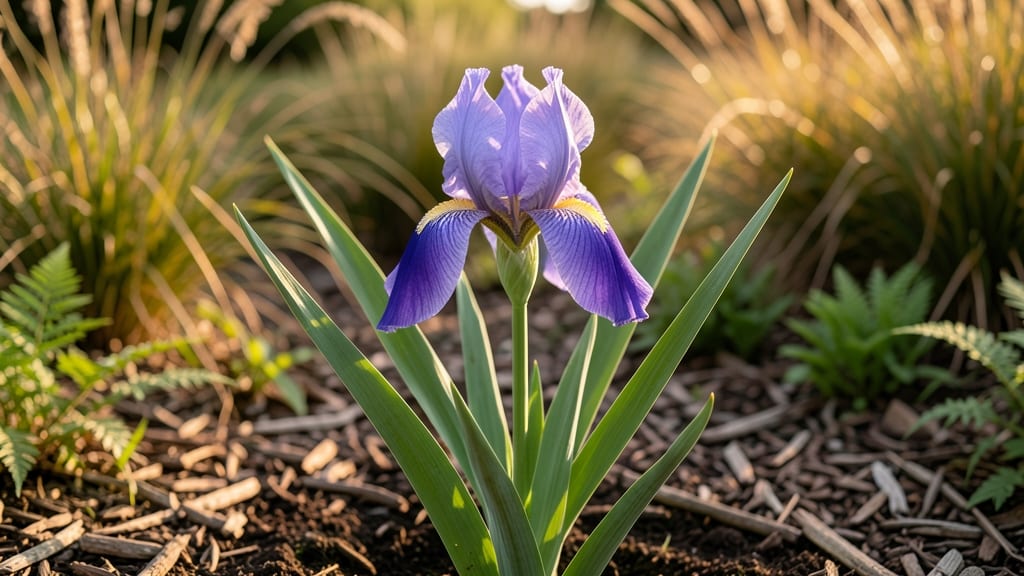
Your iris plant’s bloom time is all about timing—specifically, how temperature zones trigger those showstopping flowers 🌷 between late spring and early summer.
If you’ve ever wondered why your iris blooms seem unpredictable—or when to expect those stunning purple, yellow, or white flowers—temperature zones play a far bigger role than most gardeners realize.
From bearded irises in Zone 6a to Siberian varieties that love cooler climates, each type has its own schedule. Some burst into bloom by early May, while others wait until June, all depending on when the soil warms and dormancy breaks.
Below, I’ll break down the exact bloom windows for popular iris varieties, how to read your local climate cues, and 3 simple tricks to coax earlier—or longer—flowering seasons.
Iris bloom time by variety: when to expect flowers based on species
Iris plants are famous for their dramatic blooms, but their flowering windows vary dramatically by variety and climate. Understanding these differences helps you plan your garden for maximum impact.
Most irises bloom in late spring, but some varieties defy expectations with early or late-season displays. The key lies in their natural dormancy cycles and temperature triggers.
For example, bearded irises—the most popular type—typically bloom from mid-April to early June, while Siberian irises often wait until May or June. Japanese and Louisiana irises, however, can bloom as early as March or as late as July, depending on your USDA hardiness zone.
Let’s break down the specifics so you can predict—and extend—your iris’s showstopping season.
| Variety | Bloom Time | Height | Key Features | Best Zones |
|---|---|---|---|---|
| Bearded Iris | Mid-April to early June | 2–3 ft | Fuzzy "beard" on falls; bold colors | 3–9 |
| Siberian Iris | May to June | 1.5–2.5 ft | Delicate, slender petals; drought-tolerant | 3–8 |
| Japanese Iris | March to April | 1–2 ft | Graceful, drooping blooms; thrives in wet soil | 5–9 |
| Louisiana Iris | June to July | 3–5 ft | Tall, dramatic spikes; loves water gardens | 5–10 |
Bearded irises dominate spring gardens with their bold, velvety blooms, but their exact timing depends on chilling requirements. In colder zones (like USDA Zone 4), they may bloom as early as late April, while in warmer zones (like Zone 8), expect flowers in May or June. These irises need 6–8 weeks of cold temperatures to trigger blooming, so planting in fall ensures they’re ready for spring.
If you’re growing Siberian irises, plan for a later show. These hardy plants bloom in May or June, often after bearded irises have faded. Their drought tolerance makes them ideal for xeric gardens, but they still need full sun to produce their elegant, spider-like flowers.
In Zone 5, they might bloom a week earlier than in Zone 7.
Japanese irises are the early bloomers of the iris world, often opening in March or April, just as winter fades. Their unique, drooping petals add movement to garden borders. Unlike other irises, they thrive in moist, even boggy soil, making them perfect for pond edges or rain gardens. In Zone 6, they may bloom 2–3 weeks earlier than in Zone 9.
Louisiana irises are the late-season stars, bursting into bloom in June or July when many other perennials have finished. Their tall, dramatic spikes reach 3–5 feet, making them a focal point in water gardens or shady borders. In coastal climates, they may bloom even later, sometimes stretching into August, thanks to moderate summer temperatures.
To extend your iris’s bloom time, focus on soil health and deadheading. After flowers fade, snip the spent blooms but leave the leaves intact until they yellow—this ensures next year’s energy storage.
For bearded irises, divide clumps every 3–4 years to prevent overcrowding, which can reduce flower production. In warmer climates, some varieties may even produce a second flush of blooms in fall.
Temperature plays a critical role in iris blooming. For instance, a cold snap in late winter can delay blooms, while
How temperature zones affect iris flowering: USDA Zone guide
Understanding your USDA hardiness zone is key to predicting when your irises will bloom. These zones—ranging from Zone 3 (coldest) to Zone 10 (warmest)—dictate everything from dormancy triggers to flower spike development.
In colder zones (3–6), irises often bloom earlier to take advantage of shorter growing seasons, while warmer zones (7–10) may see staggered or delayed blooms due to milder winters.
Coastal climates add another layer of complexity. For example, a Zone 8 iris in San Francisco might bloom weeks earlier than one in inland Zone 8 Arizona because of ocean moderation.
This regional nuance means your local microclimate can shift bloom times by 2–4 weeks, even within the same zone. Let’s break down how these factors interact to control your iris’s flowering schedule.
In Zones 3–5, irises rely on cold stratification to break dormancy. This means they need a period of cold weather (below 40°F) to signal the plant that winter has passed. Without this, blooms may be sparse or nonexistent.
For example, in Zone 4, my irises typically bloom in early May, but after a particularly warm winter, they’ve pushed blooms back to late April. Always monitor your local last frost date—irises planted too early in cold zones risk frost damage to emerging spikes.
Moving to Zones 6–8, the story changes slightly. Here, irises often bloom later because they prioritize root and foliage growth before flowering. In Zone 7, where I garden, my bearded irises usually bloom in early June, but Siberian irises—which prefer cooler summers—often bloom in May.
The key difference? Siberian irises thrive in Zone 3–7 and bloom earlier because they’re adapted to shorter growing seasons. Inland areas in these zones may see delayed blooms if summers are hot and dry, while coastal areas remain consistent.
For gardeners in Zones 9–10, the challenge is avoiding dormancy entirely. Without a cold period, irises may produce fewer or smaller blooms. To counteract this, I’ve had success with winter mulching (using straw or leaves) to simulate cooler conditions.
This trick can encourage stronger flower spikes even in mild winters. In Zone 10, where I’ve seen irises bloom from March through July, proper mulching can extend the flowering window by up to 6 weeks.
Regardless of your zone, pay attention to soil temperature—not just air temperature. Use a soil thermometer to check when temps hit 55°F, the threshold for flower spike emergence. In my experience, this timing is more reliable than guessing by calendar dates.
For coastal gardeners, remember that ocean breezes can keep soil cooler longer, potentially delaying blooms by 1–2 weeks compared to inland areas. Adjust your expectations—and your pruning schedule—based on these local conditions.