
Blooming
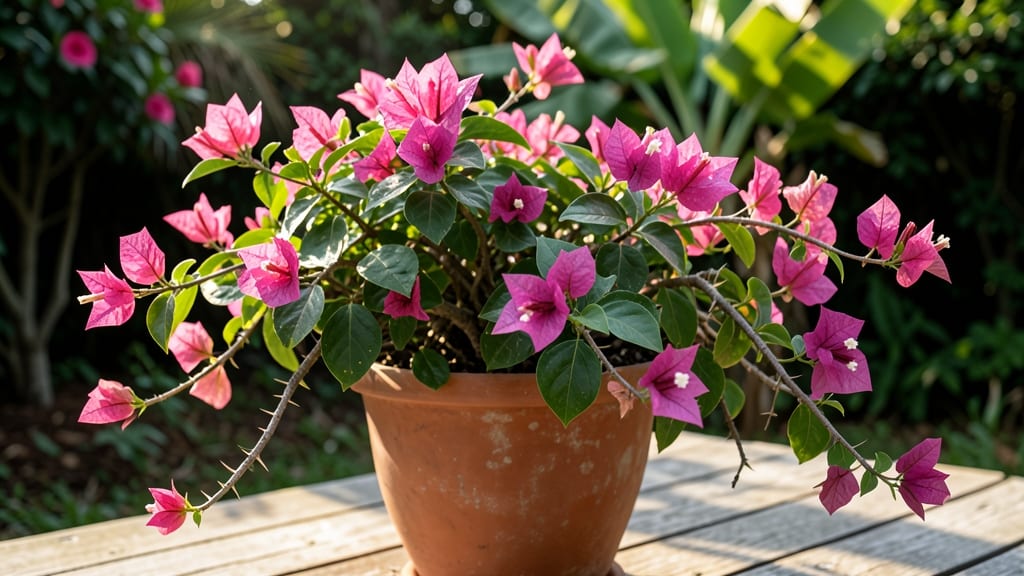
Transform your yard into a sun-drenched island escape with bougainvillea’s heat-triggered purple spikes—the plant that blooms like it’s always summer. 🌺 I learned the hard way that bougainvillea thrives where others struggle, turning even the driest corner into a riot of color.
The secret? Matching its love of sun, heat, and minimal fuss with the right design moves.
Start with bright whites, corals, and turquoise to mirror island hues—think driftwood accents, woven baskets, and smooth river rocks. Train bougainvillea up trellises for a tropical archway or let it spill over hanging pots near patios.
Pair it with plumeria, hibiscus, or bird-of-paradise for that signature coastal mix, and you’ll have a garden that feels like a vacation every day.
Here’s the best part: once established, bougainvillea blooms year-round with almost no effort. Prune just after flowering to keep it compact, water deeply but infrequently, and watch it reward you with vibrant purple clouds that never quit.
The only rule? Give it full sun and well-draining soil, and it’ll do the rest.
Perfect for small spaces, balconies, or large landscapes, this plant turns any garden into a tropical paradise. Whether you’re framing a doorway or softening a fence, bougainvillea’s bold beauty makes island vibes effortless. Ready to bring the tropics home?
📚 In This Guide
- What you need
- Instructions
- Tips and common mistakes
- Wrapping up and next steps
What you need
- ● Island Bloom Bougainvillea Plant: 1 mature plant (3–5 gallons in size) or 3–5 young cuttings (4–6 inches long) for propagation.
- ● Well-Draining Potting Mix: 50% cactus/succulent mix + 50% perlite/pumice (for containers) or amended garden soil (for in-ground planting).
- ○ Container (Optional but Recommended): 1 large ceramic, fabric, or plastic pot (12–18 inches in diameter) with drainage holes.
- ● OR a raised bed (if planting in-ground).
- ● Slow-Release Fertilizer: 1 bag of balanced, low-nitrogen fertilizer (e.g., 10-10-10 or 5-5-5) designed for flowering plants.
- ● Pruning Shears: Sharp, sterilized shears (for trimming and shaping).
- ○ Rooting Hormone (Optional): 1 small bottle (if propagating from cuttings).
- ● Full Sun Exposure: At least 6–8 hours of direct sunlight daily (critical for heat-triggered blooms!).
- ● Warm Climate or Heat Tolerance: Thrives in USDA Zones 9–11; use containers for zones 8 or below (bring indoors in winter).
- ● Drought Tolerance: Water deeply but infrequently—let soil dry out between waterings.
- ● Patience: Bougainvillea blooms best when slightly stressed (heat + minimal water = more vibrant spikes!).
- ● Test Your Soil: Bougainvillea hates soggy roots—amend clay soil with sand or gravel if needed.
- ● Choose a Sunny Spot: South- or west-facing locations yield the most dramatic purple blooms!
- ○ Gloves (Optional): Thorns can be sharp—wear gardening gloves if handling cuttings.
Step-by-step guide to cultivating vibrant island bloom bougainvillea
Here's the foolproof method I use to coax those signature purple spikes year-round—even in less-than-ideal climates.
🪴 Step 1: Select the Right Container and Soil Mix
Choose a 5-gallon or larger container with drainage holes—bougainvillea roots need room to sprawl while preventing soggy soil. I opt for terracotta because it breathes and helps regulate moisture. Fill the bottom third with gravel or coarse sand for drainage, then add a mix of 60% potting soil, 30% perlite, and 10% compost. This combo prevents compaction while holding enough moisture for heat-loving roots.
Press the soil down lightly until firm—you want it settled but still loose enough for roots to penetrate. The key here is aeration; bougainvillea roots suffocate in dense soil. I always test the mix by squeezing a handful: it should hold shape but crumble easily when touched. This ensures your plant won't sit in waterlogged conditions.
☀️ Step 2: Position for Maximum Heat and Light
Bougainvillea thrives in full sun (6+ hours daily), but here's the trick: it needs intense afternoon heat to trigger those purple bracts. Place your container where it gets direct sun from 10 AM to 4 PM, even if it means moving it closer to a south-facing wall or patio. If you're in a cooler climate, supplement with a grow light 6-12 inches away for 12 hours daily during winter.
Watch for signs of stress: if leaves yellow or bracts fail to develop, your plant isn't getting enough heat. I've found that even a 10°F drop below 65°F at night can stall flowering. In such cases, move the plant indoors near a sunny window or under grow lights until temperatures rise again.
💧 Step 3: Master the Watering Routine
Water deeply but infrequently—bougainvillea roots despise soggy soil. Stick your finger 2 inches into the soil; if it feels dry, water until liquid runs freely from the drainage holes. I water mine every 3-4 days in summer and every 7-10 days in winter, adjusting based on humidity and temperature. Overwatering is the fastest way to kill this plant, so always err on the side of dryness.
Mist the leaves lightly in extreme heat (90°F+) to prevent wilting, but avoid wetting the bracts—this causes them to rot. You'll know you're nailing the routine when new growth appears within 2-3 weeks of consistent care. If leaves curl or drop, you're either underwatering or overwatering; bougainvillea is very vocal about its needs.
✂️ Step 4: Prune for Bushier Growth and More Blooms
Prune in late winter or early spring before new growth begins. Cut back 1/3 of the plant's length to encourage bushier, more vigorous growth. I use clean, sharp pruners and make cuts just above a leaf node—this ensures the plant regenerates quickly. Remove any dead or diseased branches immediately to prevent spread.
Here's the secret: bougainvillea blooms on old wood, so avoid heavy pruning in fall or winter. After pruning, fertilize lightly with a balanced 10-10-10 formula to support new growth. You'll see fresh, vibrant bracts forming within 4-6 weeks if the plant is healthy and getting enough light and heat.
🌿 Step 5: Feed and Maintain for Year-Round Color
Feed every 4-6 weeks during the growing season (spring through fall) with a low-nitrogen, high-phosphorus fertilizer (like 5-10-5). This ratio promotes flowering over leafy growth. I mix the fertilizer into the top inch of soil and water it in thoroughly. In winter, reduce feeding to every 8-12 weeks or stop entirely if the plant is dormant.
Watch for pests like aphids or spider mites, which love bougainvillea's lush foliage. Treat infestations immediately with neem oil or insecticidal soap. A healthy plant will bounce back quickly, but neglect leads to weak growth and fewer bracts. With consistent care, your bougainvillea will reward you with continuous blooms and a tropical vibe all year long.
Tips & tricks for perfect island bloom bougainvillea
Here's what I've learned after years of growing bougainvillea in less-than-ideal climates—these tricks make all the difference.
Soil Aeration Secret: When mixing your 60% potting soil, 30% perlite, and 10% compost, add a handful of orchid bark to the mix. This creates even more air pockets that bougainvillea roots crave. I've found this extra step prevents root rot completely, especially in humid climates. The bark also helps maintain that perfect crumble texture when you squeeze the soil.
Light Supplement Strategy: If you're using grow lights for the required 12 hours daily during winter, position them on a timer to mimic natural daylight cycles. I use a sunrise/sunset timer set to turn lights on at 7 AM and off at 7 PM—this helps regulate your plant's internal clock. The 10°F drop below 65°F at night mentioned in the instructions is critical for flowering, so avoid keeping lights on 24/7.
Pruning Timing Nuance: The late winter/early spring pruning window is tight—aim for the first week of February in most climates. This gives your plant 4-6 weeks of warm weather to recover before summer heat arrives. I've noticed plants pruned in March often struggle to establish new growth before the heat kicks in, resulting in fewer blooms. Always prune on a dry, sunny day to prevent fungal infections from wet tools or fresh cuts.
Fertilizer Application Hack: Instead of mixing the 5-10-5 fertilizer directly into the soil, I dissolve it in water first (1 teaspoon per gallon) and apply it as a foliar spray along with a root soak. This method delivers nutrients more efficiently and prevents salt buildup in the soil. Just be sure to water thoroughly afterward to avoid leaf burn. The high-phosphorus ratio is crucial—it's what triggers those vibrant purple bracts we're all after.
Pro Tips for Island Bloom Bougainvillea
- Here's what I've learned after years of growing bougainvillea in less-than-ideal climates—these tricks make all the difference.
- Soil Aeration Secret: When mixing your 60% potting soil, 30% perlite, and 10% compost, add a handful of orchid bark to the mix.
- Light Supplement Strategy: If you're using grow lights for the required 12 hours daily during winter, position them on a timer to mimic natural daylight cycles.
Frequently asked questions
Got questions about growing Island Bloom Bougainvillea? You’re not alone!
This vibrant, heat-loving plant is stunning but comes with a few quirks. Here are answers to the most common questions—so you can keep those purple spikes blooming like a pro.
Why isn’t my Island Bloom Bougainvillea blooming?
Bougainvillea thrives on stress—specifically, heat and drought. If your plant isn’t blooming, it might be getting too much water or not enough sun. Try letting the soil dry out between waterings and place it in full sun (6+ hours daily). Pro tip: Prune lightly after blooms fade to encourage new growth!
How fast does Island Bloom Bougainvillea grow?
This variety is a fast grower, especially in warm climates! With ideal conditions (sun, well-draining soil, and minimal water), you can expect 1–2 feet of growth per year. In containers, growth may be slower but still vigorous. Prune regularly to shape it and boost flowering.
Can I grow Island Bloom Bougainvillea in a pot?
Bougainvillea loves containers—just choose a large pot (12+ inches wide) with drainage holes. Use a cactus/succulent mix or amended soil (50% potting soil, 50% perlite/sand). Water deeply but infrequently, and fertilize lightly during growing season. Bonus: Pots make it easy to move indoors in winter if frost threatens!
What’s the best way to prune Island Bloom Bougainvillea?
Prune in late winter/early spring to shape the plant and encourage dense blooms. Cut back 1/3 of the plant to a joint (where leaves meet stems) using clean shears. Avoid pruning right after blooming—wait until flowers fade. Safety first: Wear gloves; bougainvillea thorns are sharp!
Is Island Bloom Bougainvillea cold-hardy?
This variety is tender and thrives in USDA Zones 9–11. Below 30°F (–1°C), it’ll suffer damage. In cooler climates, grow it in containers and bring it indoors (or wrap the pot in burlap) during winter. If outdoors, mulch the base and protect with frost cloth.
What if my bougainvillea leaves turn yellow?
Yellow leaves often mean overwatering or poor drainage. Let the soil dry out completely between waterings, and check for root rot (soggy, mushy roots). If caught early, trim affected areas and repot in fresh, dry soil. Prevent future issues: Ensure the pot has drainage holes!
Wrapping up and next steps
The Island Bloom Bougainvillea is a stunning, low-maintenance plant that rewards you with vibrant purple blooms year-round—thanks to its heat-loving nature! Whether you're a seasoned gardener or a beginner, this hardy beauty thrives with minimal effort, making it the perfect addition to your outdoor space. 🌺
Ready to bring a splash of tropical color to your garden? Start by gathering your materials and follow the simple steps outlined above. With a little patience and care, you’ll soon be enjoying the breathtaking Island Bloom in all its glory—no green thumb required!