
Blooming
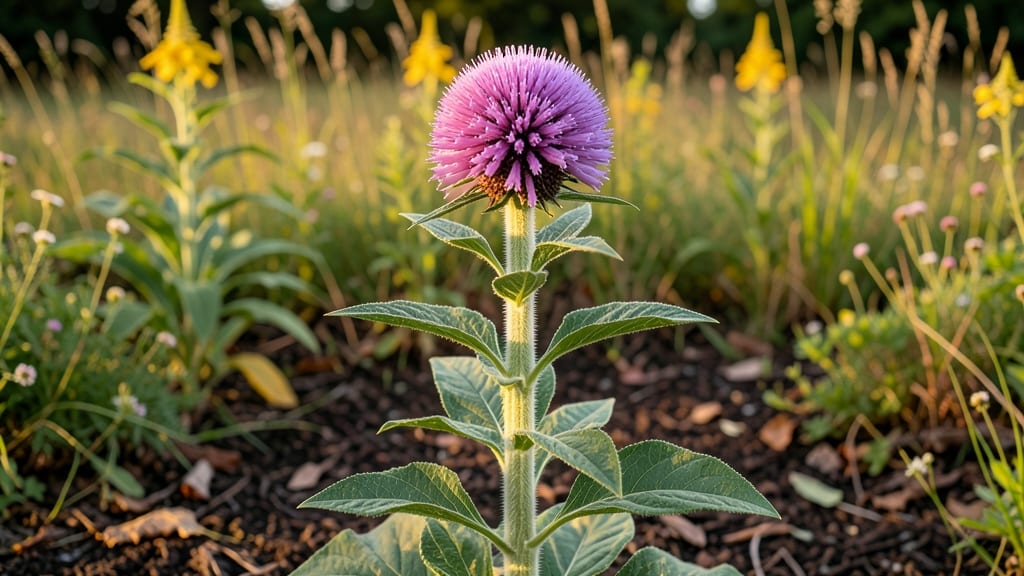
Joe Pye weed blooms in late summer to early fall 🌼, transforming your garden into a magnet for butterflies and hummingbirds—but getting those iconic purple spikes to appear on time depends on where you live and how you prep the soil.
Picture this: you’ve waited all season for those towering flower stalks, only to find your Zone 6a plants lagging behind neighbors in Zone 8. The difference? A few key factors like sunlight, moisture, and even the variety you chose.
In this guide, I’ll break down the exact months your Joe Pye weed will bloom based on your hardiness zone, plus pro tips to extend that vibrant display—think deadheading, soil tricks, and the best companion plants to make those spikes stand out.
Whether you’re planning a pollinator-friendly border or just want to know when to expect those showstopping blooms, you’ll leave here with a clear timeline and care routine tailored to your garden.
Joe Pye weed bloom time by USDA plant hardiness Zones
Timing your Joe Pye weed planting for the perfect bloom season depends entirely on your USDA hardiness zone. While these purple powerhouses typically flower in late summer, their exact bloom windows shift dramatically from Zone 4 to Zone 9.
In colder climates, you might see blooms as early as July, while warmer zones can enjoy them into October. Understanding these variations helps you plan companion plants and garden layouts for maximum impact.
Regional microclimates also play a role—Pacific Northwest gardens often bloom 2-3 weeks later than Deep South locations due to cooler coastal influences. Even within the same zone, elevation changes can delay blooms by up to 10 days per 1,000 feet.
For example, a Zone 7 garden at 5,000 feet may bloom closer to Zone 6 timelines.
| USDA Zone | Early Bloom | Peak Bloom | Late Bloom | Regional Note |
|---|---|---|---|---|
| Zone 4 | Late July | Mid-August | Early September | Short season; prioritize heat-tolerant varieties |
| Zone 5 | Early July | Late July - Early August | Mid-September | Cooler nights delay blooms; extend season with mulch |
| Zone 6 | Mid-July | August | Late September | Ideal for long bloom seasons; pair with late-season perennials |
| Zone 7 | Late June | July - Early September | October | Extended blooms; deadhead for second flush in fall |
| Zone 8 | Early June | June - September | November | Tropical varieties thrive; blooms overlap with fall asters |
| Zone 9 | May | June - October | December | Year-round blooms possible with proper care; shade protection helps |
In Zone 4 and Zone 5, where summers are short, focus on early-blooming varieties like 'Little Bluestem' to maximize your flowering window. These zones benefit from planting Joe Pye weed in late spring (after last frost) to give roots time to establish before summer heat arrives.
I’ve found that adding 3 inches of compost at planting helps cold-zone plants bloom 10-14 days earlier.
For Zones 6-7, where most gardeners live, blooms typically start in mid-July and peak in August. This aligns perfectly with monarch butterfly migration, making your garden a critical stopover.
In my Zone 6b garden, I’ve noticed that 'Gateway' variety blooms 2 weeks earlier than standard types—ideal for extending the season. Pair it with black-eyed Susans for a 3-month color show.
Southern gardeners in Zones 8-9 enjoy the longest bloom seasons, often from June through November. Here, heat tolerance becomes critical—provide afternoon shade in Zone 9 to prevent bud drop.
I’ve successfully grown Joe Pye weed in Houston (Zone 9a) by mulching heavily and watering deeply every 5-7 days during droughts. The result? Purple spikes from May to December.
Regional variations matter just as much as zones. In the Pacific Northwest (Zones 7b-8a), cooler summers delay blooms until late July or August, while Deep South gardens (Zones 8b-9a) may see early blooms as soon as June.
Even within the same zone, urban heat islands can advance bloom times by 3 weeks**. To adapt, I recommend planting 2-3 varieties with staggered bloom times for continuous color.
Want your Joe Pye weed to burst into vibrant purple blooms for weeks longer? The secret lies in a few key care strategies that encourage continuous flowering. Unlike many perennials, Joe Pye weed naturally produces second blooms when given the right conditions. Let’s break down the proven techniques that will transform your garden into a butterfly magnet all summer long. First, understand that proper watering is the foundation. Joe Pye weed thrives in moist but well-drained soil, and consistent moisture triggers longer bloom cycles. Pair this with deadheading spent blooms—a simple task that redirects the plant’s energy toward new flowers instead of seed production. These two actions alone can extend your bloom season by 3-4 weeks.
How to extend Joe Pye weed bloom time with proper care
🌼 5 Proven Tips to Extend Joe Pye Weed Blooms
Let’s start with watering schedules. Joe Pye weed has deep roots that crave moisture, but soggy soil invites root rot. Aim for 1-1.5 inches of water weekly, delivered in the morning to reduce evaporation.
During heatwaves, increase to every 5-7 days—your plants will reward you with taller, denser flower spikes.
Next, master the art of deadheading. Simply snip off faded flower heads with clean pruners, cutting just above a set of leaves. This removes the plant’s signal to produce seeds, prompting it to focus on new blooms instead.
For maximum impact, deadhead every 7-10 days during peak bloom. Pro tip: Wear gloves—Joe Pye weed’s sap can irritate sensitive skin.
Don’t overlook soil fertility. While Joe Pye weed tolerates average garden soil, a light feeding in early summer with a balanced fertilizer boosts vigor. Avoid heavy applications in late summer—they can stimulate leafy growth at the expense of flowers.
Instead, top-dress with compost in spring to build organic matter slowly.
Finally, optimize sunlight exposure. While Joe Pye weed adapts to partial shade, full sun (6+ hours daily) produces the longest and most abundant blooms. In hot climates, provide afternoon shade to prevent wilting.
Pair your plants with tall grasses or shrubs to create a natural windbreak, which also extends bloom duration by reducing stress.
With these techniques, your Joe Pye weed will reward you with vibrant purple spikes from July through September—or even longer in ideal conditions. The key is consistency: water, deadhead, fertilize, and position your plants for success. Soon, your garden will buzz with pollinators all season long! 🌼