
Blooming
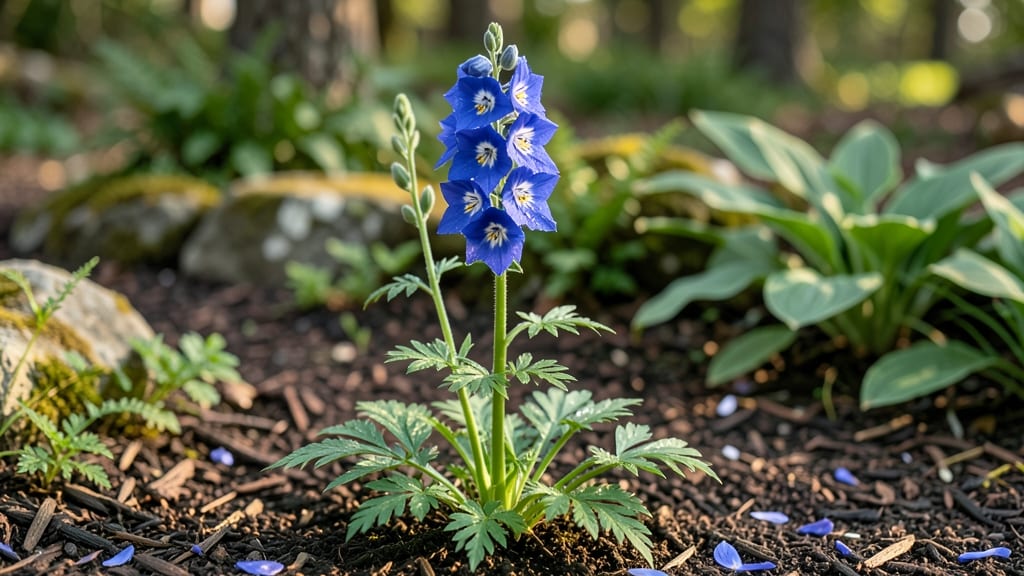
The larkspur bloom time in mid-summer to early fall delivers those signature towering purple spikes that turn heads in any garden.
If you’ve ever dreamed of adding dramatic, towering purple blooms to your garden, timing is everything. Plant too early or too late, and you might miss those stunning spikes entirely.
Since larkspur thrives in cooler weather, early spring or late summer planting is key for most regions. In USDA Zone 6a, that means sowing seeds by March-April or August-September to ensure vibrant blooms by June or July.
Below, I’ll break down the best planting windows for your zone, how to extend their flowering time, and common mistakes that cut blooms short—so you can enjoy these showstoppers all season long.
Larkspur bloom time by USDA growing zones: best planting months
Larkspur (Consolida spp.) thrives as a cool-season biennial, meaning it flowers in its second year after establishing strong roots. To ensure those dramatic purple spikes appear reliably, timing your planting is critical.
Most varieties bloom from late spring to early summer, but your USDA zone dictates the perfect window. In colder zones (3-5), early spring planting yields summer blooms, while warmer zones (8-10) often benefit from fall sowing for winter-to-spring flowers.
Larkspur seeds need consistent moisture to germinate but can’t tolerate frost after sprouting. This balance makes zone-specific timing essential. For example, in Zone 6, planting in March-April ensures blooms by June-July, while Zone 9 gardeners might prefer August-September sowing for winter-to-spring displays.
Let’s break down the ideal planting months for each zone to maximize your larkspur’s show-stopping potential.
In Zones 3-5, where winters are harsh, focus on early spring planting (March-April) to give larkspur enough time to establish before summer’s heat. These zones often see June-July blooms, aligning with peak garden interest.
Use row covers if late frost threatens young seedlings—larkspur can’t handle temperatures below 25°F once sprouted.
Gardeners in Zones 6-7 have flexibility: plant in early spring for summer blooms or late summer (August-September) for spring flowers the following year. This staggered approach extends your colorful display from March through July. For biennial varieties like 'Dwarf Blue', this dual planting ensures continuous interest.
Warmer climates (Zones 8-10) require a shift to fall planting to avoid summer’s scorching heat. In Zone 9, sow seeds in August-September for winter-to-spring blooms (December-February).
In Zone 10, treat larkspur as an annual—plant in September-October for January-March flowers before heat sets in. Provide afternoon shade to prevent bolting.
Regional variations matter too. In the Pacific Northwest, where summers are mild, spring planting works well, but in the Southeast’s humidity, fall sowing reduces disease risk. Always check your last frost date—plant 4-6 weeks before to avoid frost damage to tender seedlings.
For example, in Zone 7’s Atlanta, aim for March 15-April 1 for summer blooms.
Pro tip: Direct sowing beats transplants—larkspur hates root disturbance. Scatter seeds ¼-inch deep in well-draining soil with full sun. Thin seedlings to 6-12 inches apart (depending on variety) to prevent overcrowding, which stunts blooms. Mulch lightly with straw to retain moisture without smothering seeds.
Remember, larkspur’s bloom time hinges on cool temperatures. If your zone’s summer heat exceeds 80°F, expect shorter bloom cycles. In such cases, opt for shade-tolerant varieties like 'Pink Beauty' or grow larkspur in containers where you can move them to cooler spots.
With the right timing, your garden will burst with towering purple elegance for weeks.
🌸 For extended blooms, deadhead spent flowers regularly—this redirects energy to new buds. Pair larkspur with low-growing annuals like snapdragons or pansies to create a stunning layered effect. Now grab those seeds and mark your calendar—your larkspur dream garden starts with perfect timing!
How to extend larkspur bloom time with proper spacing and care
Larkspur’s stunning towering spikes can dominate your garden when given the right conditions. The key to longer bloom time lies in proper spacing, sunlight exposure, and consistent care. Unlike many annuals, larkspur thrives with minimal fuss but demands precise timing to prevent bolting or early fading.
One of the biggest mistakes gardeners make is overcrowding plants, which leads to competition for nutrients and weak stems. Proper plant spacing (12-18 inches apart) ensures each spike gets enough air circulation and sunlight, directly impacting how long those vibrant blooms last.
Let’s break down the essentials for extending your larkspur’s flowering season.
💡 Pro Tip for Longer Blooms
Larkspur blooms best in cool weather. If your summers are scorching, opt for succession planting—sow new seeds every 2-3 weeks in early spring and late summer to stagger blooms. This ensures fresh spikes when earlier ones fade.
Start with well-draining soil enriched with compost. Larkspur hates soggy roots, so amending clay soil with organic matter is crucial. Aim for a slightly alkaline pH (6.5-7.5), which encourages robust root development and supports those tall, sturdy stems needed for dramatic displays.
Watering plays a pivotal role in bloom duration. Keep soil consistently moist but never waterlogged, especially during bud formation. Morning watering is ideal—it reduces fungal risks and ensures blooms stay vibrant. In hot climates, mulch around plants to retain moisture and cool roots, which helps prevent premature bolting.
Don’t forget to deadhead spent blooms regularly. This simple task redirects the plant’s energy toward producing new flowers instead of seed pods. I’ve seen larkspur gardens extend their bloom time by 3-4 weeks simply by removing faded spikes weekly.
Pair this with a light fertilizer application every 4-6 weeks during the growing season to keep plants thriving.
For extended seasonal interest, combine larkspur with other cool-season bloomers like snapdragons or sweet peas. These companions attract pollinators and create a layered display that keeps your garden looking fresh from spring through early fall. With the right care, your larkspur can bloom for 6-8 weeks or longer!