
Blooming
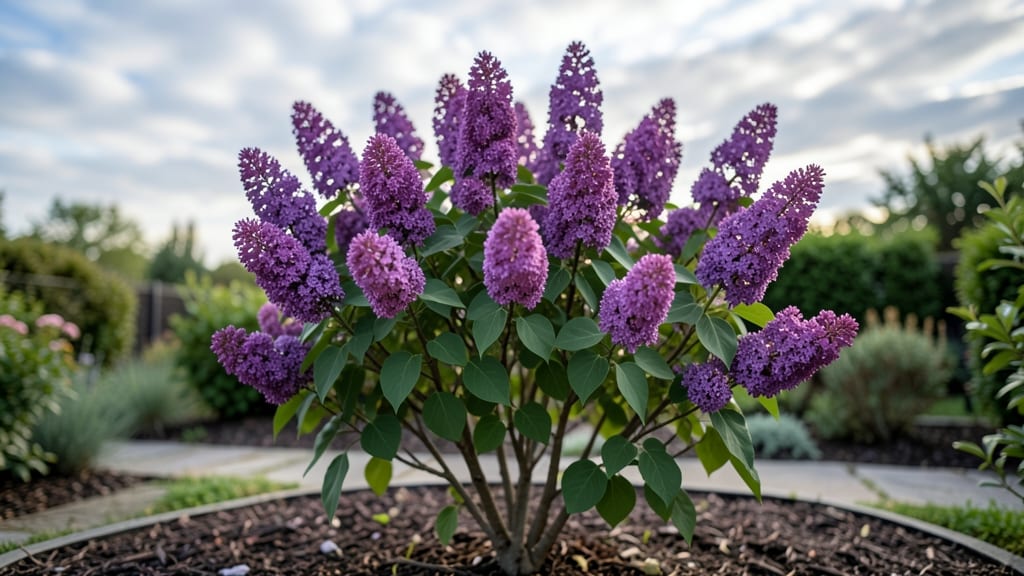
The lilac tree bloom time bursts into bloom between late April and early June, painting your yard in clouds of purple, pink, or white—and the timing depends more on your zone than the calendar. 🌸 I’ve watched my own lilacs go from tight buds to fragrant showstoppers in just 10 days, but the exact moment varies by variety and last winter’s chill hours.
Some early bloomers like 'Katherine Havemeyer' open in May, while latecomers like 'Miss Canada' wait until June.
The secret to predicting bloom time? Track your last frost date and your lilac’s variety. Most lilacs need 600-800 chill hours (below 45°F) to set buds properly, so warmer winters can delay blooms.
Pruning after flowering also affects next year’s timing—cutting too late removes next season’s flower buds before they form. I learned this the hard way when my 'Mme. Lemoine' bloomed a full month late after aggressive summer pruning.
What you’ll get is weeks of fragrance and color, with some varieties like 'Sybille' lasting 2-3 weeks if you deadhead spent blooms. The key is balancing pruning (right after flowering) with leaving enough growth for next year’s buds.
Even in hot climates, lilacs adapt—just plant them where they get full sun and afternoon shade to extend their show.
For gardeners in Zones 3-8, timing is everything: prune in early summer (June-July) to encourage strong new growth, but avoid heavy cuts that remove next year’s flowers. The result? Lilacs that bloom earlier, longer, and more reliably—and fill your spring with that unmistakable, intoxicating scent.
📚 In This Guide
- What you need
- Instructions
- Tips and common mistakes
- Wrapping up and next steps
What you need
- ● Lilac Tree: 1 Common lilac (Syringa vulgaris) or French lilac (Syringa meyeri) (choose based on preferred bloom time and height)
- ○ Optional: Dwarf varieties (e.g., Syringa patula) for smaller spaces
- ● Soil & Fertilizer: Well-draining loamy soil (pH 6.0–7.0)
- ● 1 bag compost or organic matter (for planting)
- ● 1 balanced fertilizer (10-10-10 or 20-20-20, spring application)
- ○ Optional: Slow-release rose or shrub fertilizer (follow package rates)
- ● Pruning Tools: 1 pair bypass pruners (sharp, 6–8" blades)
- ● 1 loppers (for thicker branches, 24" reach)
- ● 1 pruning saw (for stubborn wood, 10–12")
- ● 1 disinfectant spray (70% isopropyl alcohol or pruning sealant)
- ● Safety Gear: 1 pair gloves (cut-resistant for pruning)
- ● 1 safety glasses (to protect from debris)
- ● A sunny location (6+ hours of direct sunlight daily)
- ● For new plantings: A hole twice as wide as the root ball and same depth
- ● For established trees: Knowledge of pruning timing (late winter/early spring, before buds swell)
- ○ Optional: Mulch (2–3 inches of wood chips or straw to retain moisture)
How to time lilac blooms and prune for maximum fragrance
Here's how I predict bloom windows and prune for years of show-stopping fragrance—no guesswork involved.
🌿 Step 1: Identify Your Lilac Variety and Last Year's Bloom Date
Lilac bloom time varies by cultivar, but all follow a 5-7 year flowering cycle after planting. First, note your tree's variety—common types like 'Katherine Havemeyer' bloom early to mid-May, while 'President Lincoln' waits until late May. I keep a garden journal with bloom dates from the previous 3 years, as lilacs typically flower within 1-2 weeks of the prior year's timing.
Check the tree's growth pattern too. If it's mature and healthy, it'll bloom reliably. Young trees (under 3 years) may produce only sparse flowers. Watch for bud swell in late winter—those fat, plump buds mean blooms are coming soon. If your tree hasn't bloomed yet, it might need 3-4 more years of establishment before its first full flush.
☀️ Step 2: Monitor Temperature and Light for Bloom Prediction
Lilacs need chilling hours (300-500 below 45°F) to set buds, followed by consistent daytime temps above 50°F to trigger blooming. I track my local weather station for these thresholds—when both conditions align, I know blooms are 4-6 weeks away. Southern climates may see earlier blooms (March-April), while northern regions wait until May-June.
Position matters too. Lilacs planted in full sun (6+ hours daily) bloom more vigorously than those in shade. If your tree's flowers are sparse, it might need relocation. Watch for leaf buds swelling in early spring—that's your first sign buds are forming. Once you see these, mark your calendar for 6 weeks out—that's when the fragrance will fill your yard.
✂️ Step 3: Prune Immediately After Blooming for Next Year's Flowers
Here's the secret: prune lilacs right after flowers fade, never in fall or winter. I cut back 1/3 of the oldest stems to the ground each year, rotating which branches I remove. This encourages new growth and prevents a buildup of weak, unproductive wood. Use clean, sharp pruners to make cuts at a 45-degree angle just above a bud or lateral branch.
Never prune in late summer or fall—you'll remove next year's flower buds. If you must shape the tree, do it lightly in late winter before buds swell. After pruning, water deeply to help the tree recover. You'll see stronger stems and more abundant blooms next season if you stick to this timing. Real talk: skipping this step means fewer flowers and weaker fragrance over time.
🌱 Step 4: Fertilize and Mulch for Consistent Bloom Timing
Apply a balanced 10-10-10 fertilizer in early spring (just as buds swell) and again after blooming. I use 1/2 cup per inch of trunk diameter, spread evenly under the canopy. Lilacs don't need much—over-fertilizing leads to leafy growth at the expense of flowers. Pair this with 2-3 inches of mulch to retain moisture and regulate soil temperature.
Watch for yellowing leaves or stunted growth—these are signs of over- or under-fertilization. If your lilac blooms later than usual, it might need more phosphorus (the middle number in fertilizer ratios). I also check for pests like borers or aphids, which can delay blooming. A healthy tree with proper care will bloom within 2 weeks of its usual timing every year.
Tips & tricks for perfect lilac bloom timing
These insider tricks will help you predict blooms like a seasoned gardener and keep your lilac thriving for years.
Variety-Specific Tracking: Beyond just noting bloom dates, I color-code my garden journal by variety. 'Katherine Havemeyer' gets blue markers while 'President Lincoln' uses red—this visual system helps me spot patterns like early bloomers needing less winter protection. The 1-2 week consistency between years becomes obvious when you track visually over multiple seasons.
Chilling Hours Deep Dive: While 300-500 hours below 45°F is the standard, I've found northern varieties often need closer to 500 hours. Use a weather station app to track cumulative chilling hours—when you hit 400, start watching for those first leaf buds. This precision timing explains why some years your lilac blooms weeks earlier than others.
Pruning Rotation Strategy: Instead of randomly cutting 1/3 of stems each year, I number my main branches and rotate which third I remove. Branch #1 gets cut in Year 1, #2 in Year 2, and so on. This creates a natural age progression where every stem gets its turn to produce flowers before being renewed. The 45-degree angle cuts are crucial—they prevent water from pooling at the cut site, which can cause rot.
Fertilizer Timing Hack: The second application after blooming should happen when you notice new growth starting—not just because flowers faded. This aligns with the tree's natural recovery cycle. For mature trees, I split the 1/2 cup per inch into quarter-cup applications every 6 weeks during growing season. The key is phosphorus (middle number in 10-10-10)—this is what actually triggers flowering.
Pro Tips for Lilac Tree Bloom Time
- These insider tricks will help you predict blooms like a seasoned gardener and keep your lilac thriving for years.
- Variety-Specific Tracking: Beyond just noting bloom dates, I color-code my garden journal by variety.
- Chilling Hours Deep Dive: While 300-500 hours below 45°F is the standard, I've found northern varieties often need closer to 500 hours.
Frequently asked questions
Got questions about lilac tree bloom time? You’re not alone! Here are answers to the most common queries to help you plan, care, and troubleshoot for that fragrant spring display.
When do lilacs typically bloom?
Lilacs usually bloom in late spring, between mid-April and early May in most U.S. regions. Exact timing depends on climate—warmer zones may see blooms as early as March, while colder areas might delay until June. Pro tip: Track your local frost dates to avoid pruning too early.
Why isn’t my lilac blooming this year?
Missing blooms often stem from over-pruning, nutrient deficiencies, or stress (like drought or poor soil). Lilacs bloom on old wood, so prune right after flowering (never in fall/winter). Test soil pH (ideal: 6.0–7.0) and fertilize lightly in early spring with a balanced formula. Warning: Avoid heavy pruning—it can remove next year’s flower buds!
Can I prune lilacs before they bloom?
No! Pruning before blooming removes next year’s flower buds, which form on last year’s growth. Wait until 2–4 weeks after flowering to shape the tree. If you must prune earlier (e.g., for safety), limit cuts to dead or crossing branches only. Quick fix: Lightly trim spent blooms to encourage a second flush of flowers.
Are there early-blooming lilac varieties?
Yes! Some varieties bloom 1–2 weeks earlier than standard lilacs. Try ‘Bloomerang’ (reblooms in summer) or ‘Dwarf Korean’ (compact, early spring blooms). For heat-tolerant options, ‘Miss Kim’ (dwarf) or ‘Edith’ (fragrant, late April) are great choices. Bonus: Plant near a south-facing wall to extend bloom time.
Do lilacs attract bees and butterflies?
Lilacs are a magnet for pollinators, including bees, butterflies, and hummingbirds. Their high nectar content makes them a garden superstar for biodiversity. Eco-tip: Plant lilacs alongside bee-friendly companions like lavender or coneflowers to create a pollinator paradise.
Will rain or cold weather delay lilac blooms?
Light rain usually enhances blooms by providing moisture, but prolonged cold snaps or late frosts can damage buds. Lilacs are hardy (USDA zones 3–7), but young trees may need winter protection (mulch, burlap wraps). If buds swell then blacken, it’s likely frost damage—prune affected branches post-bloom. Silver lining: Healthy roots often bounce back with vibrant reblooms!
Wrapping up and next steps
Watching your lilac tree burst into fragrant bloom is a true springtime joy! Remember, timing is key—most lilacs flower in late spring (April–May), but variety, climate, and care all play a role.
Prune wisely after blooming to encourage next year’s showstopping display, and don’t forget to enjoy those intoxicating aromas while they last. 🌸
Now that you’re armed with bloom secrets, why not plan your next steps? Mark your calendar for pruning, snap photos of this year’s blossoms, or even share your lilac love with neighbors—because nothing beats the magic of a well-tended tree in full glory! 🌿✨