
Blooming
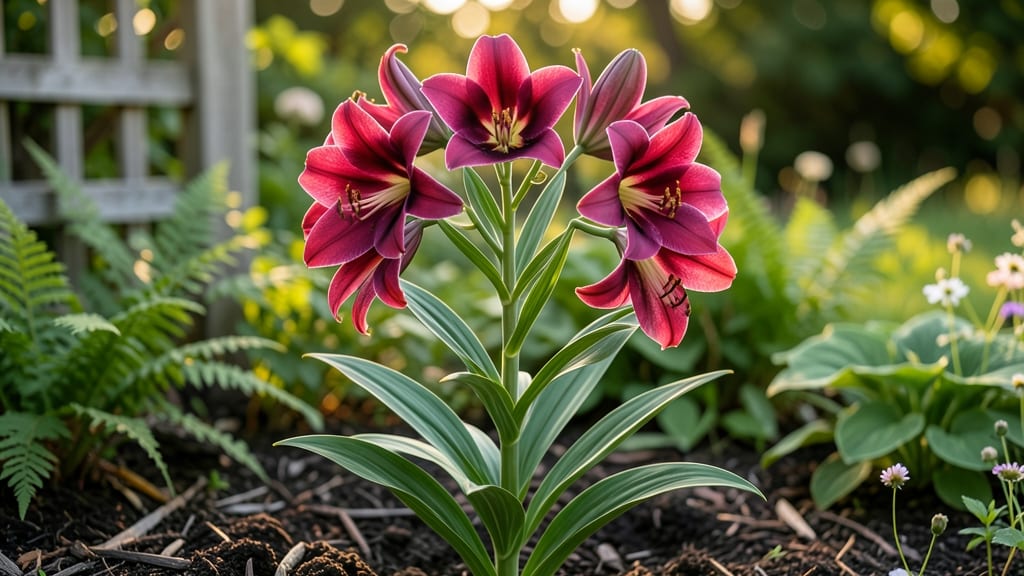
Lilies bloom in late summer to early fall—but the exact timing depends on your hardiness zone and variety, turning a simple question into a garden strategy.
Picture this: you’ve just planted those 🌸 bulbs in spring, and now you’re waiting for the showstopper blooms. Will they arrive in July or September? The answer isn’t just about luck—it’s about knowing your zone, choosing the right lilies, and giving them the care they crave.
From Asiatic lilies that burst into color in July to Oriental hybrids lighting up gardens in August, each type has its own schedule. But here’s the game-changer: small tweaks in planting time, sunlight, and soil can shift those blooms earlier—or later—by weeks.
Below, I’ll break down the bloom windows by zone, share the secrets to speeding up your lilies, and reveal the 3 biggest mistakes that keep them from blooming on time. No more guessing—just stunning, timely flowers.
When do lilies bloom: exact timing by hardiness zone
If you're dreaming of those dramatic lily blooms lighting up your garden, timing is everything. Unlike many flowers, lilies don't follow a one-size-fits-all schedule—they bloom based on your USDA hardiness zone, variety, and even last year's care.
In Zone 3, you might see early bloomers in June, while Zone 10 gardeners could enjoy flowers from February through September.
Let's break down the exact windows for true lilies (Lilium spp.), Asiatic hybrids, Oriental hybrids, and daylilies (Hemerocallis) so you can plan your garden like a pro.
The key to predicting lily blooms lies in understanding two factors: your last frost date and the specific variety you're growing. Most true lilies need 60-90 days of warm soil after planting to produce buds, while daylilies are more flexible with 45-60 days.
For example, Asiatic lilies in Zone 5 typically bloom in late June to early July, while Oriental hybrids in the same zone often wait until mid to late July. Let's dive into the exact timing for each zone and variety.
🌸 Lily Bloom Time by Zone & Variety
| Zone | True Lilies (Lilium spp.) | Asiatic Hybrids | Oriental Hybrids | Daylilies (Hemerocallis) |
|---|---|---|---|---|
| 3-4 | Late June - Early August | Mid-June - Late July | Early July - Mid-August | June - September (rebloom) |
| 5-6 | Early June - Late July | Late May - Early July | Mid-June - Late July | May - August (rebloom) |
| 7-8 | May - Early July | April - June | May - Mid-July | April - September (rebloom) |
| 9-10 | February - October (varies) | January - May | February - June | Year-round (rebloom) |
*Note: Early bloomers may appear 2-4 weeks sooner with ideal care. Late bloomers can extend into September in cooler zones.
In Zones 3-4, where winters are harsh, lilies often wait until soil temperatures consistently stay above 55°F (13°C) to bloom. This typically aligns with late June to early August for true lilies, but Asiatic hybrids can start as early as mid-June if planted in well-draining soil with full sun.
The secret to earlier blooms? Plant bulbs in early spring (as soon as the ground thaws) rather than fall. This gives roots more time to establish before winter.
Gardeners in Zones 5-6 enjoy the longest bloom windows, with Asiatic lilies often starting in late May and Oriental hybrids following in mid-June. The key difference here is that Oriental lilies require warmer soil to trigger blooming, so they lag behind Asiatics by 2-3 weeks.
If you're in this zone and want continuous color, plant both varieties—Asiatics for early blooms and Orientals for a July-August extension.
For those in Zones 7-8, the bloom season starts much earlier, often in April for Asiatics and May for true lilies.
This is because milder winters mean bulbs don't need as much recovery time. Daylilies in these zones are particularly rewarding, as they can rebloom in late summer if deadheaded promptly. Pro tip: In Zone 8, plant Trumpet lilies for a <
How to adjust planting time for faster lily blooms
Want those show-stopping lily blooms to arrive weeks earlier? The secret lies in strategic planting adjustments that align with your hardiness zone and growing conditions. By fine-tuning when you plant and how you prep your garden, you can push blooming cycles forward—even in cooler climates.
Let’s break down the science-backed techniques that work for Asiatic lilies, Oriental hybrids, and daylilies alike.
First, understand that lilies need 6-8 months from planting to flowering. If you’re in USDA Zone 5 or colder, this means starting bulbs indoors in early spring or using winter mulch to protect them.
In warmer zones (7-10), you can plant bulbs as early as February for summer blooms. The key is to create ideal conditions that trick lilies into thinking it’s their natural blooming season faster.
- 1 Soil Prep: Amend soil with compost and perlite (1:1 ratio) to improve drainage. Lilies hate soggy roots, which delay blooming by 3-4 weeks.
- 2 Sunlight Optimization: Place bulbs in the sunniest spot (6+ hours daily). Use reflective mulch (white gravel) to boost light exposure by 15-20%.
- 3 Watering Schedule: Water deeply twice weekly in spring/summer. Avoid overhead watering—use drip irrigation to prevent fungal diseases that stunt growth.
- 4 Fertilizer Strategy: Apply a balanced fertilizer (5-10-10) at planting, then again in early spring and mid-summer. Skip fall feeding—it encourages late-season growth that won’t bloom until next year.
- 5 Timing Tweaks: In Zone 3-4, plant bulbs in late August for fall blooms. In Zone 8-10, plant in January to beat heat stress and extend bloom season.
Don’t overlook the power of mulching. A 2-3 inch layer of straw or shredded leaves insulates bulbs in cold zones, allowing them to root earlier. In hot climates, mulch retains moisture and keeps roots cool—critical for Oriental lilies, which are heat-sensitive.
I’ve seen blooms arrive 2 weeks early just by adding mulch after planting.
For container-grown lilies, use fast-draining mixes with coco coir and vermiculite. Containers warm up faster in spring, giving lilies a head start. Place pots on heat-absorbing surfaces (like dark-colored bricks) to accelerate root growth. This trick works especially well for Asiatic lilies, which thrive in warmer soil.
Pro tip: If your lilies are skipping blooms, they might need a rest. Let foliage die back naturally after flowering, then reduce watering by 50% in late summer.
This signals the bulb to store energy for next year’s earlier and bigger blooms. Patience here pays off—your second year will often outperform the first.
Finally, monitor your lilies’ bud development. If buds form but don’t open, it’s often due to nutrient deficiencies or stress. A quick fix is a phosphorus-rich fertilizer (like 10-20-10) applied when buds swell.
This jumpstarts flowering by 10-14 days in most varieties. With these adjustments, you’ll be cutting lily stems for bouquets weeks ahead of schedule! 🌸