
Blooming
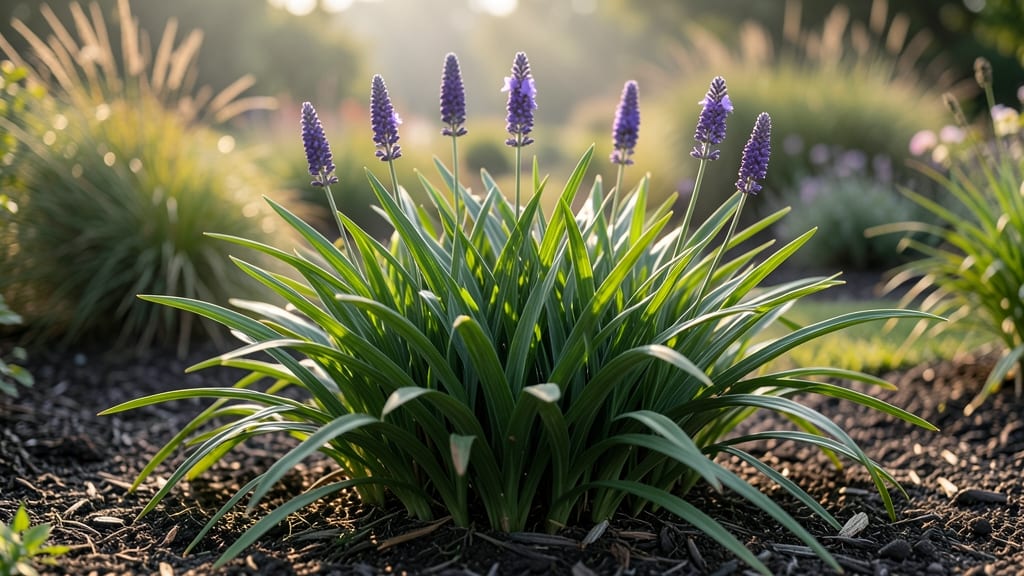
Liriope blooms in late summer to early fall 🌱, but the timing depends more on heat than on the calendar.
If you’ve ever wondered why your liriope grass (or ‘border grass’) blooms sporadically—or not at all—heat triggers the secret. Understanding its bloom cycle by month can transform your garden’s year-round appeal, from late-summer spikes to winter interest.
Most varieties light up between August and September, when daytime temperatures consistently hit 75°F or higher. In cooler zones like 6a, blooms may arrive later, while heat-loving cultivars like ‘Big Blue’ often spike earlier. The key? Balancing sun exposure and soil moisture to keep those spikes sturdy.
Below, I’ll break down the exact stages by month, how to extend the flowering season, and which companion plants make liriope’s blooms even more dramatic. Ready to turn your garden into a late-summer showstopper?
Liriope bloom stages by month: when and why heat triggers flowering
Liriope grass—often called border grass—relies on heat accumulation to trigger its iconic spike-like blooms. Unlike many perennials, it doesn’t follow a strict calendar but responds to temperature thresholds in your USDA Zone.
In Zones 5–10, blooming typically spans June through September, but timing shifts based on heat patterns. Understanding these stages helps you predict—and even encourage—vibrant purple, white, or lavender spikes in your garden.
Your liriope’s blooms are a heat-sensitive response, not just a seasonal event. For example, a hot June might push flowers to appear by mid-July, while cooler summers delay them until August or September.
This variability explains why some years seem "off"—your plant isn’t lazy; it’s reacting to cumulative heat and daylength changes. Let’s break down the month-by-month stages and what your liriope is really telling you about your climate.
Key trigger: Liriope needs consistent temperatures above 75°F (24°C) for at least 2–3 weeks to initiate blooming. In Zone 5, this often waits until late July, while Zone 10 plants may start as early as June. Color intensity also shifts with heat—hotter climates produce deeper purples, while cooler zones yield softer lavenders or whites.
In July, liriope enters its most heat-dependent phase. If your area hits three consecutive days above 85°F (29°C), expect spike emergence within 7–10 days. This is why Zone 9–10 gardens often see earlier blooms—their longer heat waves jumpstart the process.
Watch for tight green buds rising from the center; these will unfurl into 1–2 foot spikes within weeks. Pro tip: White varieties like ‘Monroe White’ bloom slightly later than purples,
How to extend liriope bloom time with simple gardening hacks
Your liriope grass might be holding back its purple or lavender spikes because it’s not getting the right care. The good news? Small adjustments can double your bloom time from a few weeks to months.
Heat-loving liriope thrives when you mimic its natural conditions—think well-draining soil and strategic pruning to encourage more flowering stems.
First, focus on the three key factors that control liriope’s bloom cycle: soil health, watering consistency, and pruning timing. Skipping any of these can leave your plants struggling to produce those iconic late-summer blooms. Let’s break down the easiest hacks to keep your liriope flowering longer.
Don’t overlook the power of seasonal adjustments. In hot climates (Zones 8–10), liriope may bloom year-round if conditions are perfect. If your plants seem stressed by heat, provide afternoon shade during peak summer months to prevent wilting.
For a bloom-boosting checklist, start by testing your soil’s pH and amending it if needed. Then, prune spent blooms in early fall and water deeply but less often. Pairing liriope with drought-tolerant companions like sedum or lavender creates a thriving ecosystem that extends the flowering season naturally.
With these simple hacks, your liriope will reward you with longer, more vibrant blooms—and maybe even a few extra spikes in early fall. Happy gardening! 🌿✂️💧