
Blooming
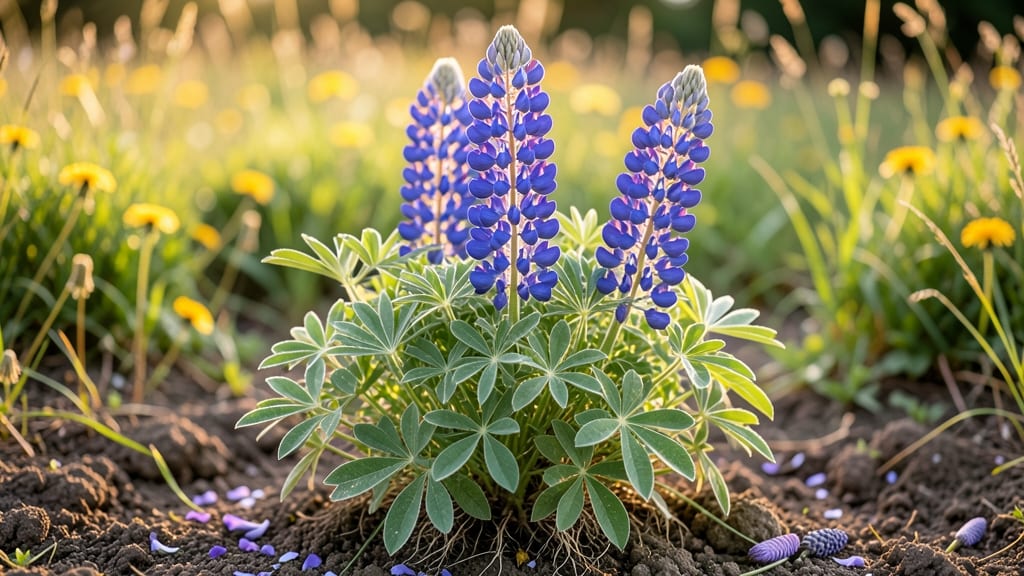
Lupines bloom in late spring to early summer 🌸, but the exact timing depends on whether you’re growing annual or perennial varieties—and your local climate can shift that window by weeks.
If you’ve ever planted lupines hoping for their iconic purple spikes only to be met with disappointment, you’re not alone—timing is everything.
Knowing exactly when your lupine bloom time depends on variety, climate zone, and even last year’s growth can mean the difference between a breathtaking garden showstopper and a missed season.
For example, perennial lupines (like the popular Russell Hybrid) often wait until May or June in cooler zones, while annual varieties may burst into color as early as April in warmer regions. Even a few degrees can push blooms earlier or delay them until summer’s peak.
Below, I’ll break down the bloom windows by variety, how to adjust for your USDA zone, and the pro tips to extend those show-stopping spikes for weeks longer than usual.
Lupine bloom time by variety: when to expect purple spikes
Lupines are famous for their dramatic purple flower spikes, but not all varieties bloom at the same time. Understanding your specific lupine bloom time by variety helps you plan for stunning seasonal displays.
Some varieties burst into color in early spring, while others wait until midsummer. Their genetic traits determine bloom windows, so choosing the right type for your garden zone is key.
For example, Russell Hybrid lupines are early bloomers, often appearing in late spring, while Big Ben varieties prefer mid-to-late summer. Even within the same species, slight variations in climate or soil conditions can shift bloom times by weeks.
Let’s break down the most popular varieties and their typical lupine bloom time to help you predict when your garden will transform into a sea of purple.
Pro Tip: Lupines thrive in full sun and well-draining soil. If your garden doesn’t meet these conditions, expect delays in blooming or shorter flower spikes. Adjusting care can sometimes shift bloom times slightly, but genetics play the biggest role.
| Variety | Typical Bloom Time | Height Range | Color Palette | Key Notes |
|---|---|---|---|---|
| Russell Hybrid | Late spring (May-June) | 3-5 ft | Purple, blue, pink | Early bloomer; drought-tolerant once established |
| Silver Cup | Mid-spring (April-May) | 2-3 ft | White, lavender | Compact; great for borders and containers |
| Regal Lupine | Late spring-early summer (June) | 4-6 ft | Deep purple, blue | Tallest variety; needs staking in windy areas |
| Big Ben | Mid-to-late summer (July-August) | 5-6 ft | Purple, pink | Late bloomer; longest bloom duration (6+ weeks) |
| Albus | Early summer (June) | 3-4 ft | Pure white | Unique color; attracts pollinators like bees and butterflies |
| Myristica Lupine | Late spring (May-June) | 2-3 ft | Dark purple | Fragrant flowers; perennial in zones 4-9 |
If you’re growing perennial lupines, like Myristica Lupine, their bloom time may shift slightly each year based on winter conditions. Cold winters can delay spring growth, pushing back bloom dates by 1-2 weeks.
For annual varieties, like Russell Hybrid, bloom time is more predictable but still depends on when you plant seeds.
For gardeners in cooler climates (zones 3-5), early-blooming varieties like Silver Cup or Russell Hybrid are ideal. They take advantage of the short growing season, while late bloomers like Big Ben shine in warmer zones (6-9), where summers are long enough to support their extended bloom periods.
To extend your lupine bloom time, try deadheading spent flowers regularly. This encourages the plant to produce new blooms, sometimes adding 2-4 extra weeks of color.
Pairing lupines with companion plants, like lavender or salvia, can also create a longer visual impact by staggering bloom times across your garden.
One common mistake is assuming all lupines bloom at the same time. Mixing varieties with different lupine bloom times ensures your garden stays vibrant from late spring through summer. For instance, planting Silver Cup (April-May) alongside Big Ben (July-August) guarantees a continuous display of purple spikes.
Remember, lupines are nitrogen-fixing plants, which means they improve soil health over time. This natural process can also influence bloom vigor, making well-established plants more reliable in their bloom time each year.
If your lupines struggle to bloom, check your soil’s pH (6.0-7.0 is ideal) and ensure they’re getting enough sunlight.
With the right variety and care, your lupines will reward you with months of stunning blooms. Use this guide to select the perfect types for your garden and enjoy those iconic purple spikes at their peak!
How USDA hardiness zones affect lupine bloom time
Your lupine bloom time isn't just about luck—it's heavily influenced by your USDA hardiness zone. Cooler zones like 3-5 often see delayed blooms, while warmer zones 8-10 may enjoy earlier, longer displays. Understanding these patterns helps you predict and plan for those stunning purple spikes you love.
Lupines thrive in zones 3-10, but their bloom windows shift dramatically. In warmer zones (8-10), expect blooms as early as late winter to early spring, while cooler zones (3-5) typically see flowers 2-4 weeks later.
Microclimates—like sunny slopes or sheltered valleys—can further shift bloom timing by 1-2 weeks.
In zones 3-5, late frosts often delay lupine bloom time until late May or June. To help them along, mulch heavily in early spring and choose early-blooming varieties like Silver Cup. These adaptations can advance blooms by 1-2 weeks in challenging climates.
Gardeners in zones 8-10 often enjoy earlier blooms (March-April), but heat waves can shorten bloom periods. To extend displays, deadhead regularly and provide light afternoon shade during peak summer months. This simple trick can add 2-3 weeks to your lupines' showtime.
Microclimates play a huge role in lupine bloom time. A south-facing slope in zone 5 might bloom 3 weeks earlier than a north-facing garden bed. Pay attention to sun exposure patterns in your space—this knowledge lets you strategically place lupines for optimal timing.
For cooler zones (3-6), consider container growing near heat-retaining walls. This mimics warmer conditions and can advance bloom time by 10-14 days. Just ensure containers have excellent drainage to prevent root rot during spring thaws.