
Blooming
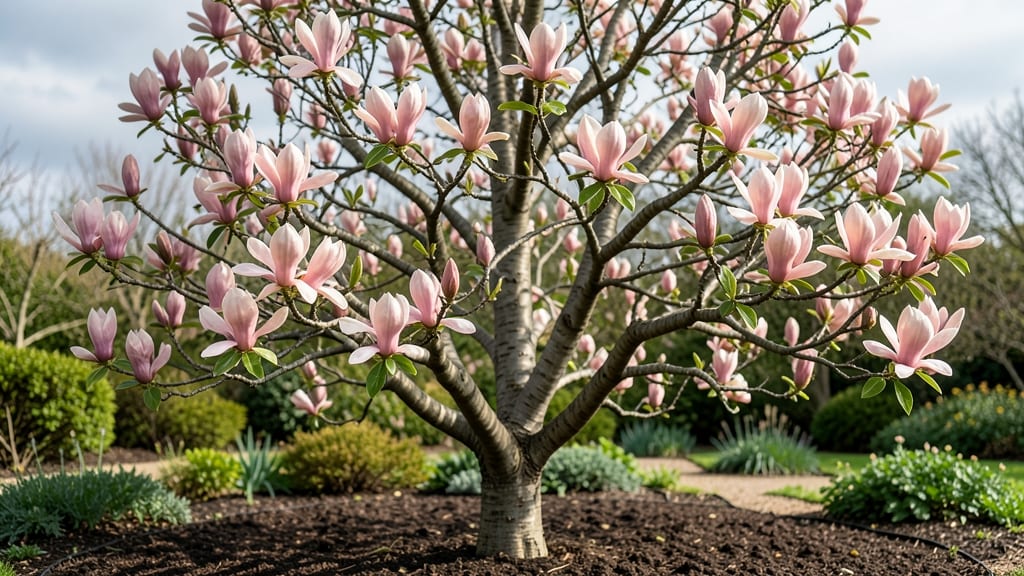
Your magnolia tree’s bloom time depends on the species and hardiness zone—some burst into fragrant 🌸 flowers as early as late winter, while others wait until spring.
If you’ve ever waited impatiently for your magnolia tree to burst into bloom, you’re not alone—timing can feel like a guessing game. But with the right hardiness zone knowledge, you can predict when your tree will reward you with those fragrant, show-stopping flowers.
The Southern magnolia, for example, typically blooms in late spring, while star magnolias may surprise you with early spring blooms. Understanding these patterns helps you set realistic expectations and plan your garden accordingly.
In this guide, I’ll break down bloom times by species and zone, share tips to encourage earlier blooms, and troubleshoot common delays so you can enjoy your magnolia’s beauty sooner.
When do magnolia trees bloom? Hardiness zone breakdown by species
Magnolia trees are nature’s showstoppers, but their bloom times vary dramatically depending on the species and your USDA hardiness zone. Whether you’re growing a Southern magnolia in zone 7 or a Star magnolia in zone 5, knowing these timelines helps you plan your landscape with precision.
Some varieties bloom in early spring before leaves appear, while others wait until late spring or even summer.
The key to predicting blooms lies in understanding your local climate and the specific magnolia type you’ve planted. For example, Saucer magnolias often bloom earlier than Evergreen magnolias, and colder zones may delay flowering until late spring.
Let’s break down the bloom windows by species and zone so you can set your expectations—and your camera timer!
🌸 Pro Tip: Early bloomers like the Star magnolia (Magnolia stellata) often flower in USDA zones 4-8 as early as late March or April, while late bloomers like the Southern magnolia (Magnolia grandiflora) may wait until May or June in warmer zones.
If you’re in USDA zone 4 or 5, you’ll notice that Star magnolias and Saucer magnolias are your best bets for early spring color. These varieties often bloom before the leaves fully emerge, creating a stunning contrast against bare branches.
In warmer zones (7-10), Southern magnolias and Lily magnolias may bloom as early as February, especially if planted near a south-facing wall that captures extra heat.
Zone 10 gardeners have the advantage of year-round growth, but even here, bloom times can shift based on microclimates. For example, a Southern magnolia in Miami (zone 10B) might bloom in January, while one in Houston (zone 9A) could wait until March.
Pay attention to your local frost dates—late frosts can damage early bloomers like Star magnolias.
Another factor to consider is whether your magnolia blooms on old wood (last year’s growth) or new wood (current season’s growth). Southern magnolias and Cucumbertree magnolias bloom on old wood, meaning they set buds in the previous year.
Prune these trees after they bloom to avoid removing next year’s flowers. In contrast, Lily magnolias bloom on new wood, so you can prune them in late winter without worrying about flower loss.
For gardeners in transition zones (6-8), timing can be tricky. A Saucer magnolia might bloom in early April in zone 7 but wait until mid
How to adjust your magnolia tree’s bloom time naturally
Want your magnolia tree to bloom earlier or later? The good news is you can influence bloom time naturally without chemicals. The key lies in understanding how light exposure, pruning timing, and seasonal care interact with your tree’s internal clock.
For example, Southern magnolias typically bloom in late spring, while star magnolias often flower in early spring—knowing these patterns helps you time adjustments perfectly.
Start by observing your tree’s current bloom cycle. If you notice buds forming too late for your preferences, focus on increasing sunlight exposure during winter months. Conversely, if blooms appear too early and risk frost damage, adjust care to delay flowering.
The secret is working with your tree’s natural rhythm while making subtle, strategic changes.
- 1 Adjust sunlight exposure in winter: Move potted magnolias to sunnier locations during dormant months to trick the tree into thinking spring has arrived earlier. For in-ground trees, thin nearby branches to increase light penetration to the canopy.
- 2 Prune strategically after blooming: Always prune immediately after your magnolia finishes flowering. This encourages next year’s buds to form earlier. Avoid heavy pruning in late summer—it can delay bud formation for the following season.
- 3 Water deeply in late summer: Consistent moisture during August and September helps establish strong root systems. Well-hydrated roots produce more vigorous growth, which can lead to earlier bud formation. Aim for 1-2 inches of water per week during these critical months.
- 4 Apply balanced fertilizer in early spring: Use a 10-10-10 NPK fertilizer right after your last frost date. This gives your tree a gentle nutrient boost to support early bud development. Avoid high-nitrogen fertilizers—they promote leafy growth at the expense of flowers.
- 5 Mulch heavily in fall: A 3-inch layer of mulch around your tree’s base helps regulate soil temperature. Cooler soil in winter can delay bud break, while warmer soil in early spring encourages earlier blooming. Use organic mulch like shredded bark for best results.
For late-blooming varieties, try a different approach: reduce winter sunlight exposure by placing potted trees in shadier spots during dormancy. This mimics cooler conditions and can delay bud break until later in the season.
Remember, magnolias are sensitive to sudden changes, so make adjustments gradually over 2-3 years for best results.
If your tree isn’t responding as expected, check for stress factors like poor drainage or compacted soil. Magnolias thrive in well-draining, slightly acidic soil (pH 5.0-6.0). Amending the soil with compost can improve nutrient uptake and encourage healthier blooming patterns. Always test your soil before making major changes.
Patience is key—some adjustments may take 1-2 seasons to show noticeable effects. Keep detailed records of your tree’s bloom dates and care routine. Over time, you’ll develop a personalized strategy that aligns perfectly with your magnolia’s natural rhythm while meeting your aesthetic goals. 🌸