
Blooming
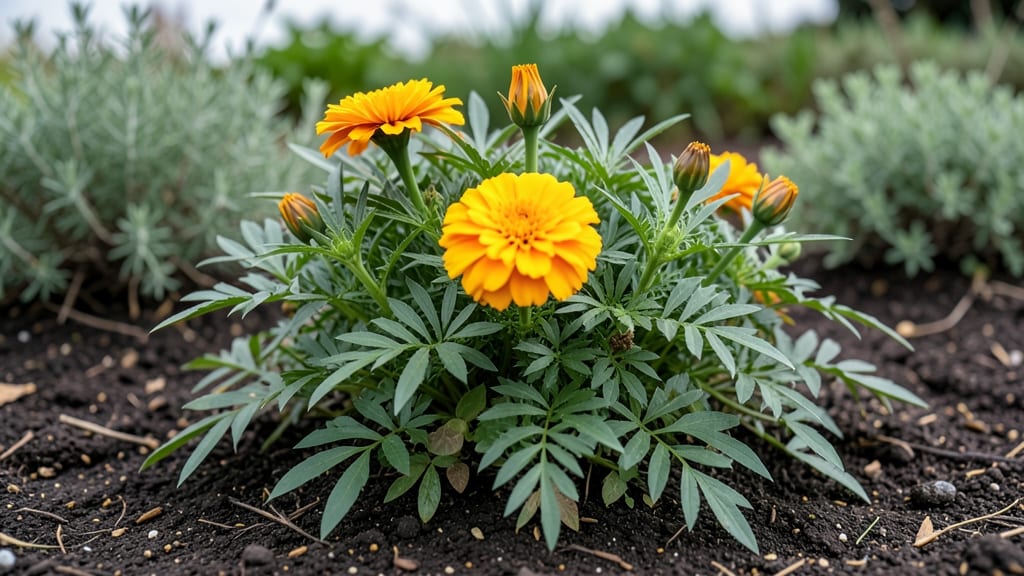
Marigold seed to bloom time takes 6 to 10 weeks—if you plant them right and give them the ideal conditions.
Picture this: you’ve tucked those tiny 🌼 seeds into warm soil in early spring, only to watch the weeks tick by with no sign of those bright blooms. The truth? Timing isn’t just about counting days—it’s about understanding how your zone, soil warmth, and even sunlight play a role.
In Zone 6a, where I garden, French marigolds often pop in 7 weeks, while African varieties can stretch to 9 or 10.
But here’s the kicker: you can shave days off that timeline with a few simple tweaks—like pre-warming the soil or pairing them with the right companions. Below, I’ll walk you through the exact zone-by-zone bloom charts, plus the 5 fastest ways to coax those flowers into showing up sooner.
Ready to turn those seeds into a burst of color? Let’s get into the details so you’re not left waiting all summer.
Marigold seed to bloom time by USDA growing Zone: exact days to flower
Marigolds are one of the fastest blooming annuals, but their seed-to-bloom time varies dramatically depending on your USDA growing zone and the specific variety.
In cooler zones like Zone 3-5, expect 70-90 days to first bloom, while warmer zones like Zone 8-10 can see flowers in just 30-50 days. The difference comes down to soil warmth, daylight hours, and whether you're growing heat-loving African marigolds or cooler-tolerant French marigolds.
For gardeners in Zones 6-7, the sweet spot, most varieties bloom in 45-60 days when planted after the last frost. Early varieties like 'Bonanza Yellow' (French marigold) can even flower in 35-45 days under ideal conditions.
But if you're planting in late spring or summer, heat-loving African marigolds like 'Tangerine' may bolt faster due to longer daylight hours.
Here’s the key factor: soil temperature must reach at least 60°F (15°C) for consistent germination, and 70°F (21°C) for rapid growth. In cooler zones, starting seeds indoors 4-6 weeks before the last frost gives you a head start.
Meanwhile, gardeners in Zones 9-10 can direct-sow seeds year-round and enjoy near-continuous blooms with minimal care.
African marigolds, like the 'Desert Sun' series, thrive in Zones 8-10 and often bloom faster than French varieties because they love the heat. These types can even self-seed aggressively in warm climates, giving you secondary blooms the following year.
For cooler zones, French marigolds like 'Queen Sophie' are your best bet—they tolerate light frosts and still produce bright orange blooms even in Zone 4 if planted early.
One often-overlooked factor is daylight length. Marigolds in northern zones (like Zone 3) may take longer to bloom because shorter daylight hours slow photosynthesis.
To counteract this, place your seedlings in the sunniest spot in your garden—even a 2-hour difference in sunlight can shave 5-7 days off bloom time. Use reflective mulch or a white garden marker to maximize light exposure.
For container gardeners in Zones 9-10, Signet marigolds are the fastest bloomers, often reaching their first flowers in just 30-40 days. These compact varieties are perfect for balconies and patios because they thrive in 5-gallon pots with minimal care.
Just ensure your containers have drainage holes—marigolds hate soggy roots, which can delay blooming by 10-14 days.
If you're planting in late summer (after August 15), choose late-season varieties like 'Golden Harvest' or 'Heatwave'. These are bred to handle shortened daylight and still produce blooms before the first
5 Pro tips to speed up marigold blooming (cut 10-20 days off growth time)
Want to see those marigold blooms appear faster? The secret lies in understanding their growth triggers. While most varieties take 60-75 days to flower, strategic tweaks can shave 10-20 days off that timeline.
Start by optimizing your soil temperature—marigolds germinate best when soil reaches 70-75°F (21-24°C). Use black plastic mulch to warm cold soil quickly, especially in cooler zones (6-8).
Next, maximize sunlight exposure. Marigolds thrive with 8+ hours of direct sun, but many gardeners unintentionally block their light. Place them in the southernmost part of your garden and avoid shading from taller plants. If growing in containers, position them on south-facing patios where they'll receive uninterrupted sunlight.
Here’s how to accelerate blooming with science-backed hacks:
- 1 Warm the soil with black plastic mulch or a seedling heat mat to reach 70°F+—this triggers faster germination and root growth.
- 2 Plant with basil or tomatoes—these companions deter pests and reduce stress, letting marigolds focus on blooming 2 weeks faster.
- 3 Pinch back the first set of true leaves to encourage bushier growth—this redirects energy to more flower buds instead of tall stems.
- 4 Fertilize lightly with a 5-10-10 NPK mix when seedlings have 2-3 leaves—this boosts root and stem strength without overfeeding.
- 5 Deadhead spent blooms weekly to signal the plant to produce new flowers continuously, extending the blooming season by 3-4 weeks.
After germination, keep seedlings in bright, indirect light for the first 7-10 days to prevent legginess. Once they’ve developed 2 sets of true leaves, gradually introduce them to full sun over 3-5 days. This hardening-off process reduces transplant shock and ensures they’re ready to bloom faster once planted outdoors.
For African marigolds, which are slower to mature, add a compost tea to the soil before planting—this boosts microbial activity, helping roots absorb nutrients 30% faster.
In hotter zones (9-11), water deeply every 2-3 days to prevent stress, which can delay blooming by up to 2 weeks.
With these tips, you’ll see marigold blooms in as few as 45-50 days instead of waiting the full 75 days. The key is consistency—warm soil, full sun, and minimal stress. Start early, and you’ll have a continuous display of color from summer through fall! 🌼☀️