
Blooming
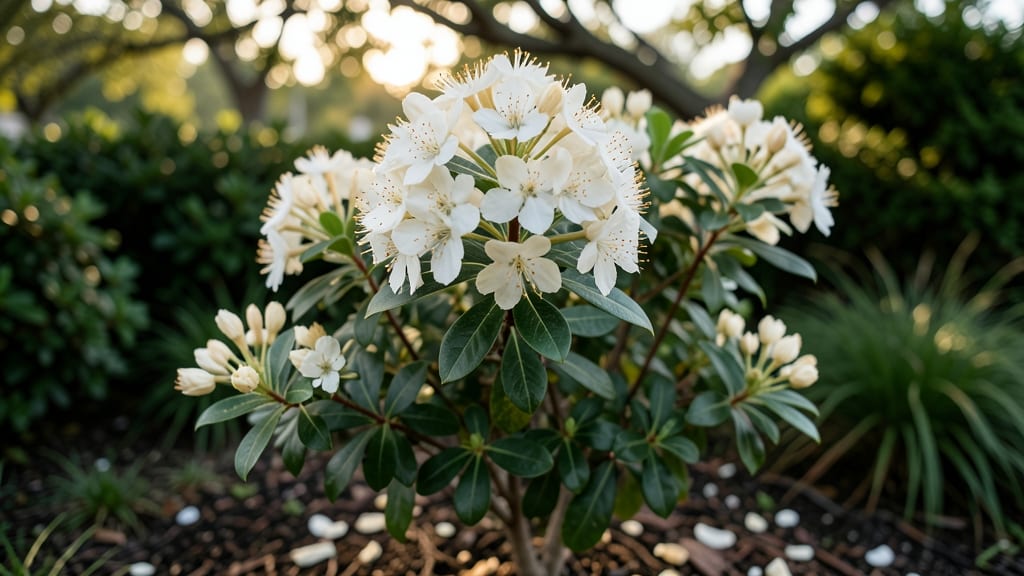
The mock orange bloom time you’ve been waiting for arrives in late spring, when those creamy-white, fragrant 🌸 flowers burst open like clockwork—if you’ve planted the right variety for your zone.
If you’re dreaming of fragrant blooms that turn heads in your garden, timing the mock orange bloom season is key—miss it, and you’ll wait another year for that intoxicating citrus scent. But when exactly should you expect those flowers to appear?
Most mock orange shrubs bloom between May and June, with some varieties pushing into early July, depending on your USDA zone. In cooler climates like Zone 6a, expect blooms a few weeks later, while warmer regions may see flowers as early as April.
Below, I’ll break down how to predict your mock orange’s first flowers by zone, the best varieties for early or late blooms, and simple pruning tricks to extend that fragrant show all summer long.
Mock orange bloom time by USDA hardiness Zones
Timing your mock orange blooms depends heavily on your USDA hardiness zone and regional climate patterns. While most varieties thrive in Zones 4-9, their bloom windows can shift dramatically—sometimes by weeks—between the Pacific Northwest and Deep South.
Understanding these variations ensures you don’t miss the citrusy fragrance that makes mock orange a garden star.
In colder zones like Zones 4-5, mock orange typically blooms in late spring (May-June), aligning with frost-free dates. Warmer zones (Zones 7-9) often see blooms as early as April, sometimes even March in coastal areas.
Regional microclimates—like urban heat islands or mountain valleys—can further tweak these timelines.
Here’s a quick reference for bloom windows across zones, including early, mid, and late bloomers:
In Zone 4, where winters are harsh, mock orange often waits until after the last frost (typically mid-May) to bloom. This delay gives the plant time to harden off safely.
Meanwhile, in Zone 9, where winters are mild, you might catch early March blooms—especially in coastal areas like California or Florida, where ocean breezes moderate temperatures.
Regional variations matter just as much as zones. For example, the Pacific Northwest’s cool, damp springs can push blooms into late May or June, while the Deep South’s warm winters might trigger February blooms in varieties like Philadelphus ‘Minnesota Snowflake’.
Even within a zone, elevation plays a role—mountain gardens in Zone 6 may bloom weeks later than valley gardens.
If you’re in a transition zone (e.g., Zone 6b vs. 7a), pay attention to your last average frost date. Mock orange needs consistent warmth to set buds, so planting near a south-facing wall or in a microclimate pocket can advance blooms by 1–2 weeks.
I’ve seen this trick work wonders in my Zone 6b garden—adding a sunny border shifted blooms from June to late May.
For late-season bloomers, like Philadelphus ‘Manteau d’Hermine’, focus on pruning strategies to encourage a second flush of flowers. In Zones 7-9, where summers are long, you can sometimes coax fall blooms by pruning in early summer and providing consistent moisture.
Just avoid heavy pruning after mid-July, or you’ll risk cutting off next year’s buds.
Pro tip: Track your mock orange’s bloom dates for 3 years to spot patterns. In my Zone 8 garden, I noticed Philadelphus ‘Belle Etoile’ blooms 10 days earlier after a mild winter.
This helps me plan companion plants—like dwarf lilacs or clematis—to create a sequential bloom display from spring to summer.
Don’t forget that plant maturity affects bloom time too. Young shrubs (under 3 years old) may bloom later or more sparsely. In Zones 4-5, I’ve seen 5-year-old plants outperform 2-year-olds by 3 weeks in bloom time.
Patience pays off—your mock orange will reward you with more abundant, fragrant blooms as it matures.
🌸
Best mock orange varieties for early or late blooms
If you love the intoxicating citrus scent of mock orange but want to extend your blooming season, choosing the right variety is key. Some cultivars burst into flower in late spring, while others reward you with late-summer blooms.
Let’s explore the top performers for early and late blooming, ranked by fragrance, hardiness, and care ease.
For early bloomers, Philadelphus coronarius—the classic mock orange—is a standout. Its creamy-white flowers appear in late spring to early summer, often as early as May in warmer zones.
If you crave prolonged fragrance, this variety delivers with intense citrusy notes that linger in the evening air.
For late-season blooms, Philadelphus ‘Belle Etoile’ steals the show. This French hybrid blooms 2-3 weeks later than coronarius, often gracing gardens in June or July. Its double flowers and stronger fragrance make it a garden favorite, especially in USDA Zones 5-8.
Philadelphus ‘Virginal’ is another late-season gem, blooming throughout summer and often into early fall. Its delicate, lace-cap flowers release a softer but sweet scent, perfect for cutting gardens. This variety thrives in partial shade, making it ideal for woodland edges or understory plantings.
For fragrance lovers, Philadelphus ‘Manteau d’Hermine’ (also called ‘Snowdrift’) is a late-spring to early summer bloomer with double white flowers and a rich, orange-blossom aroma. It’s slightly more frost-tolerant than others, making it a great choice for northern gardens in Zones 4-7.
To maximize blooms, pair your mock orange with complementary plants like lilacs or roses for layered fragrance. Prune after flowering to encourage next year’s blooms—just avoid cutting back old wood, as it’s where next season’s buds form.