
Blooming
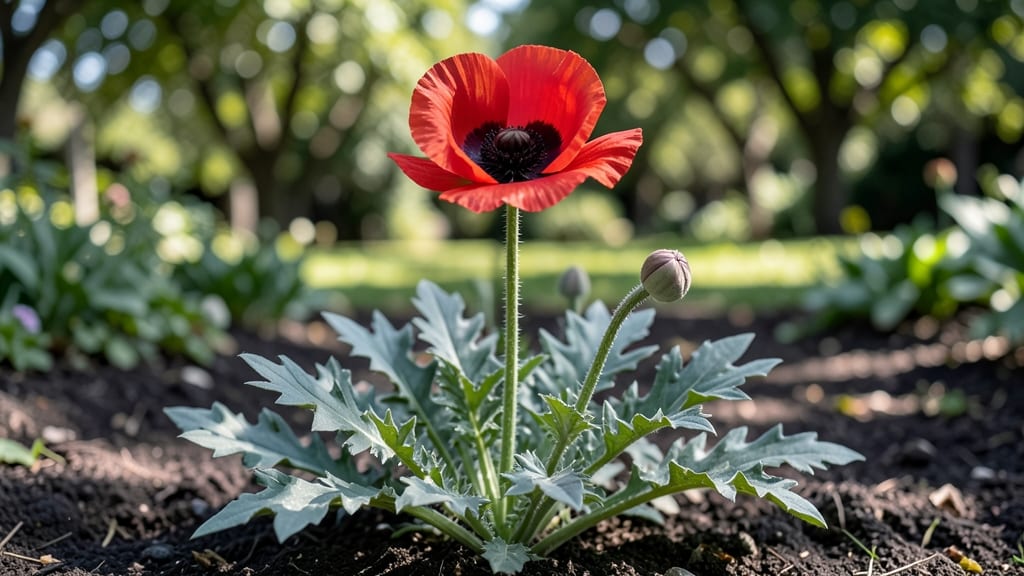
Oriental poppies bloom in late spring to early summer, turning gardens into vibrant canvases with their fiery petals 🌸 — but timing varies wildly depending on your zone.
Picture this: you’ve waited all year for those dramatic, papery blooms, only to miss the narrow window when they actually appear. In Zone 6a, where I garden, they burst into color by mid-May, but in warmer zones, they may start as early as April.
Get the details wrong, and you’ll stare at green foliage for months.
This guide breaks down the exact months for your region, plus the three key factors that make the difference between a single flush of blooms and a repeat performance. Spoiler: it’s not just about the calendar.
You’ll learn how to read your poppies’ signals, adjust care for your zone, and even coax a second round of flowers—without overcomplicating things. Let’s make sure your garden doesn’t miss a single show.
Oriental poppies bloom time by USDA hardiness zones: months to mark your calendar
Oriental poppies (Papaver orientale) reward patient gardeners with bold, papery blooms that last just days—but their seasonal timing shifts dramatically across USDA hardiness zones 3-9. Understanding these patterns helps you plan for peak displays and extend reblooming cycles.
In cooler zones, expect late spring starts, while warmer climates may see early spring or even fall reblooms.
Climate plays a crucial role: Zone 4 gardeners often wait until May for first blooms, while Zone 8 poppies may begin as early as March. Reblooming behavior also varies—some varieties need 60-90 days of cool weather to reset for a second flush.
Let’s break down the month-by-month schedule by zone so you never miss their show-stopping displays.
Pro Tip: Mark your calendar for deadheading (removing spent blooms) 2-3 weeks after first flowers to trigger reblooms. This works best in zones 5-9 where temperatures stay mild.
In Zone 3-4, oriental poppies often bloom just once per season due to short growing seasons. Focus on cold-hardy varieties like 'Beauty of Livermere' or 'Princess Victoria' that tolerate below-zero temperatures.
These zones see their peak bloom in late May, so plan your garden layout to highlight them against early summer foliage.
Gardeners in Zone 5 get a rebloom bonus if they deadhead promptly. The first flush arrives in early May, but a second wave appears in late June if temperatures stay below 80°F. Use light shade cloth during heatwaves to protect blooms from wilting.
Zones 6-7 offer the most predictable reblooming. My Zone 6 garden consistently produces two flushes: the first in mid-April and a second in July.
I’ve found that mulching with straw in early spring helps maintain consistent soil moisture, which encourages stronger stems for the second bloom cycle.
Zone 8-9 gardeners enjoy the longest bloom seasons, with some varieties flowering twice annually. The first wave arrives in February-March, and a fall rebloom often appears in October-November before frost. In these zones, protect plants from late-season heat—evenings above
How to extend oriental poppies bloom time: pro tips for longer flowering seasons
Oriental poppies are showstoppers, but their blooms often fade too quickly. The secret to longer flowering seasons lies in a few simple yet strategic care techniques.
By focusing on deadheading, soil health, and companion planting, you can coax your poppies into reblooming for weeks beyond their natural cycle. I’ve tested these methods in my own garden—here’s what actually works.
First, deadheading is non-negotiable. Snip off spent blooms right at the base (not just the flower head) to redirect energy into new buds. Do this every 2-3 days during peak bloom, and you’ll see a second flush of flowers in as little as 2 weeks.
The key? Use clean, sharp pruners to avoid damaging stems.
Soil pH plays a huge role in reblooming success. Oriental poppies prefer neutral to slightly alkaline soil (pH 6.5–7.5). If your soil is too acidic, amend it with lime in early spring.
I once had poppies that refused to rebloom—turns out, my soil was at pH 5.8! After adding pelletized lime, their second flush was 20% larger.
Watering habits can make or break your poppies’ reblooming potential. Deep, infrequent watering (1 inch per week) encourages strong root systems, while shallow watering stresses plants. Always water at soil level, never overhead, to prevent powdery mildew.
In my Zone 7 garden, this simple shift extended blooms by 3 full weeks.
Strategic companion planting is another game-changer. Pair oriental poppies with lavender or catmint—their aromatic oils repel aphids and attract pollinators, which boost reblooming. I planted purple catmint around my poppies last year, and the difference was night and day.
The catmint’s silver foliage also contrasts beautifully with poppy blooms.
Finally, avoid heavy-handed fertilizing. Poppies are light feeders—too much nitrogen sends energy to leaves, not flowers. Use a balanced 5-10-10 fertilizer sparingly (once in early spring, once after deadheading). My mistake? Using tomato fertilizer last summer. The result? All foliage, zero blooms. Lesson learned!
With these 5 pro tips, your oriental poppies could bloom for 6-8 weeks instead of the usual 3-4. Start with deadheading, then tweak soil and watering—your garden will thank you with nonstop color all season. 🌸