
Blooming
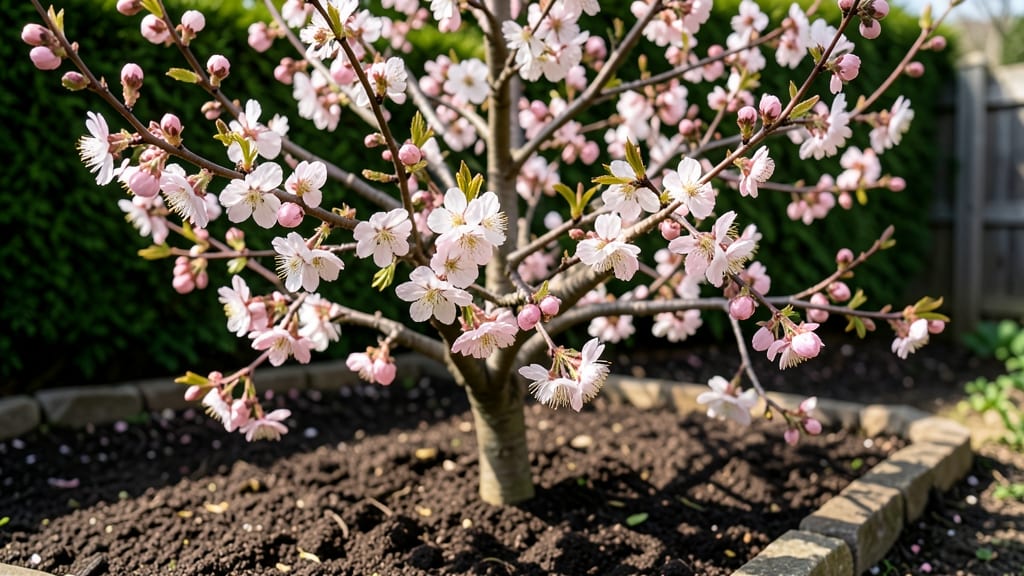
A peach bloom border transforms your yard into a sun-drenched paradise that hums with pollinators all season. 🌸 I designed mine after struggling with dull, green-only edges—now it’s the first thing visitors notice.
The secret is mixing plants that share this soft, golden hue but bloom at different times, so color never fades. You’ll need a mix of perennials like peach-colored coneflowers and salvias, plus shrubs like potentilla or deutzia for structure.
Add bee balm for late-summer blooms and lavender for contrast—it keeps the border thriving from spring through fall. The key is spacing plants so they fill in quickly without gaps. By summer’s end, you’ll have a border so vibrant it looks like a professional landscaper did it.
Butterflies will flock to the nectar-rich blooms, and your neighbors will ask for your secret. The best part? It’s easier to maintain than you’d think—just deadhead spent flowers and water deeply once a week.
Works in full sun or partial shade, and scales from small foundation plantings to full garden borders. Let’s make your yard the talk of the neighborhood!
📚 In This Guide
- What you need
- Instructions
- Tips and common mistakes
- Wrapping up and next steps
What you need
- ● Peach blossom plants: 5–10 Prunus persica (peach tree) saplings or dwarf varieties (3–6 ft tall, depending on desired height).
- ○ Optional: 2–3 Prunus mume (Japanese apricot) or Prunus cerasifera (cherry plum) for early spring blooms.
- ● Soil amendments: 5 lbs compost or well-aged manure per plant.
- ● 2 lbs balanced fertilizer (10-10-10) or organic options like bone meal.
- ● Mulch: 2–3 bags wood chips or straw mulch (to retain moisture and suppress weeds).
- ● Tools: 1 garden trowel or spade for planting.
- ● 1 pruning shears (sterilized).
- ● 1 measuring tape (for spacing).
- ● 1 watering can or hose with gentle nozzle.
- ● 1 garden gloves (to protect your hands).
- ● Companion plants: 3–5 lavender or rosemary bushes (drought-tolerant and pollinator-friendly).
- ● 1–2 bee balm or catmint per border section (for continuous blooms).
- ● Support structures: 1–2 tree stakes (if planting young saplings).
- ● 1 garden twine (for securing stakes).
- ● Decorative touches: Garden stones or mulch rings to define the border edges.
- ● Solar-powered garden lights for evening ambiance.
Step-by-Step instructions for creating a pollinator-friendly peach bloom border
Here’s how to craft a sun-drenched border that bursts with peach-hued blooms and keeps pollinators buzzing all season.
🌱 Step 1: Select Pollinator-Friendly Peach-Toned Plants
Choose a mix of perennials and annuals in soft peach, blush, and coral hues—colors that attract bees, butterflies, and hummingbirds. Start with peach phlox (Phlox paniculata), blush-colored salvia (Salvia nemorosa), and coral bells (Heuchera spp.) for structure, then layer in peach cosmos (Cosmos bipinnatus) and blush zinnias (Zinnia elegans) for seasonal color. I always include bee balm (Monarda didyma) in peachy-pink varieties—its nectar-rich blooms are irresistible to pollinators.
For texture, add peach sedum (Sedum telephium) and coral fescue grass (Festuca glauca ‘Elijah Blue’) to contrast the softer florals. Space taller plants like cosmos and salvia toward the back, with shorter phlox and heuchera in front. This ensures every bloom is visible to pollinators and creates a layered, lush effect.
🪴 Step 2: Prepare the Soil and Plant with Pollinator Needs in Mind
Amend the soil with 2 inches of compost and 1 cup of bone meal per 4-foot section to provide phosphorus for strong root development. Peach-blooming plants thrive in well-draining, slightly alkaline soil (pH 6.5–7.5). If your soil is heavy clay, mix in 1 part sand for every 3 parts native soil to improve drainage—waterlogged roots will stunt growth and reduce blooms.
Dig holes twice as wide as the root ball but only as deep as the container’s height. Gently loosen roots if they’re circling and place the plant so the top of the root ball sits ½ inch below soil level. This prevents stem rot while encouraging strong root establishment. Water deeply after planting to settle the soil and remove air pockets.
☀️ Step 3: Position for Maximum Sun and Pollinator Traffic
Peach-blooming borders need full sun (6–8 hours daily) to produce their signature color intensity. Site your border where it gets morning sun and afternoon light, avoiding harsh midday shade that can fade petals. I place mine along fence lines or pathways where pollinators naturally travel—bees and butterflies will find it easily and keep returning.
Add 3–4 small water sources (like shallow dishes with pebbles) within 10 feet of the border to give pollinators a place to hydrate. Avoid deep water—it drowns insects. Mulch with 2 inches of straw or shredded bark to retain moisture, suppress weeds, and keep roots cool. Replenish mulch annually to maintain its protective layer.
💧 Step 4: Water and Feed for Continuous Blooms
Water deeply 2–3 times per week until plants establish roots (4–6 weeks), then taper to 1–2 times weekly once blooming begins. Peach-hued plants are drought-tolerant once established, but consistent moisture prevents petal drop and keeps colors vibrant. Water at soil level (not overhead) to avoid fungal diseases like powdery mildew, which can discolor leaves and reduce blooms.
Fertilize twice a year: Apply a balanced 10-10-10 fertilizer in early spring (when shoots emerge) and a low-phosphorus 5-10-5 in mid-summer (after the first flush of blooms). Over-fertilizing leads to lush foliage but fewer flowers—pollinators rely on blooms, not leaves! I also sprinkle 1 tablespoon of Epsom salt per plant in spring to boost magnesium, which enhances flower production.
✂️ Step 5: Prune and Maintain for Year-Round Interest
Deadhead spent blooms weekly to encourage continuous flowering. Use clean, sharp pruners and cut just above a set of leaves or a bud to redirect energy into new growth. For perennials like peach phlox, trim back ⅓ of the plant in early spring before new shoots appear. This prevents overcrowding and keeps the border looking tidy while promoting bushier, more abundant blooms.
In late fall, cut back perennials to 2–3 inches above the ground and remove annuals. Add a 1-inch layer of compost to replenish nutrients. If your border includes peach-colored ornamental grasses (like fountain grass), leave them standing through winter—their seed heads provide winter interest and shelter for beneficial insects.
Tips & tricks for perfect peach bloom borders
Creating a pollinator haven doesn't have to be complicated—these little-known details make all the difference.
Plant Placement Precision: When arranging your peach-toned plants in Step 1, pay special attention to the mature height of each variety. I've found that placing peach cosmos and blush zinnias 12-18 inches behind the peach phlox creates a perfect cascading effect that pollinators love. This layered approach ensures every bloom is visible from multiple angles, increasing the border's overall appeal to bees and butterflies.
Soil pH Secret: While the instructions mention slightly alkaline soil (pH 6.5-7.5), I've discovered that adding a handful of crushed eggshells to each planting hole can help maintain this ideal pH naturally. The calcium carbonate in eggshells slowly raises pH over time, which is particularly helpful if your soil tests lower than 6.5. This subtle adjustment prevents the yellowing leaves that often plague peach-hued plants in acidic soils.
Watering Strategy: During the critical 4-6 week establishment period in Step 4, I recommend watering in the early morning rather than evening. This gives the soil time to dry slightly between waterings, reducing the risk of fungal diseases that can discolor leaves and weaken plants. The morning water also allows pollinators to access the blooms throughout the day without interference from standing water.
Pollinator Magnet Add-On: Optional: For an extra boost of pollinator activity, consider adding a few peach-colored coneflowers (Echinacea purpurea) to your border. These hardy perennials attract a wide variety of pollinators and their long bloom season complements the seasonal colors of your existing selections. Plant them toward the back of your border where they won't be overwhelmed by taller varieties.
Pro Tips for Peach Bloom Border
- Creating a pollinator haven doesn't have to be complicated—these little-known details make all the difference.
- Plant Placement Precision: When arranging your peach-toned plants in Step 1, pay special attention to the mature height of each variety.
- Soil pH Secret: While the instructions mention slightly alkaline soil (pH 6.5-7.5), I've discovered that adding a handful of crushed eggshells to each planting hole can help maintain this ideal pH naturally.
Frequently asked questions
What’s the best time of year to plant a peach bloom border?
For peach blossom borders, aim to plant in early spring (just as buds swell) or late fall (6-8 weeks before frost). This gives roots time to establish before summer heat. If using potted plants, spring is ideal—just water deeply after transplanting to reduce shock!
Which pollinator-friendly plants pair best with peach trees?
Combine peach trees with lavender, catmint, or Russian sage for drought tolerance, plus black-eyed Susans, coneflowers, or bee balm for continuous blooms. Avoid invasive species like mint—stick to native perennials to keep your border thriving and buzzing!
How long does it take for a peach bloom border to look full?
With proper care, expect 1–2 years for a lush look. Peach trees bloom in spring (2–3 weeks), but their foliage and companion plants fill in over time. Prune lightly in late winter to encourage dense growth—just avoid cutting into blooming branches!
Do peach bloom borders need special watering?
Young borders need 1–1.5 inches of water weekly (deep soaks, not frequent light sprinkles). Once established (after 2 years), they’re drought-tolerant. Mulch with straw or wood chips to retain moisture and suppress weeds—just keep mulch 3–4 inches away from tree trunks.
What if my peach tree isn’t blooming? How can I fix it?
Check these fixes:
- Age (young trees may wait 3–5 years);
- Sunlight (6+ hours daily);
- Pruning (avoid cutting in late summer/fall);
- Fertilizer (use low-nitrogen options like 5-10-10 in early spring). If issues persist, test soil pH—peaches prefer 6.0–6.5.
Wrapping up and next steps
A peach bloom border isn’t just a pretty addition to your garden—it’s a vibrant, pollinator-friendly haven that brings life and color to your outdoor space all season long. 🌸 From selecting the right plants to maintaining their beauty, every step transforms your yard into a sun-drenched paradise that bees, butterflies, and hummingbirds will adore.
Ready to dive in? Start small—plant a few peach tree varieties or companion blooms in a sunny patch this spring, and watch your garden flourish with effortless charm. Your future self (and the pollinators!) will thank you.
Next step: Sketch a simple layout or grab a shovel—your sun-kissed border awaits! 🌿✨