
Blooming
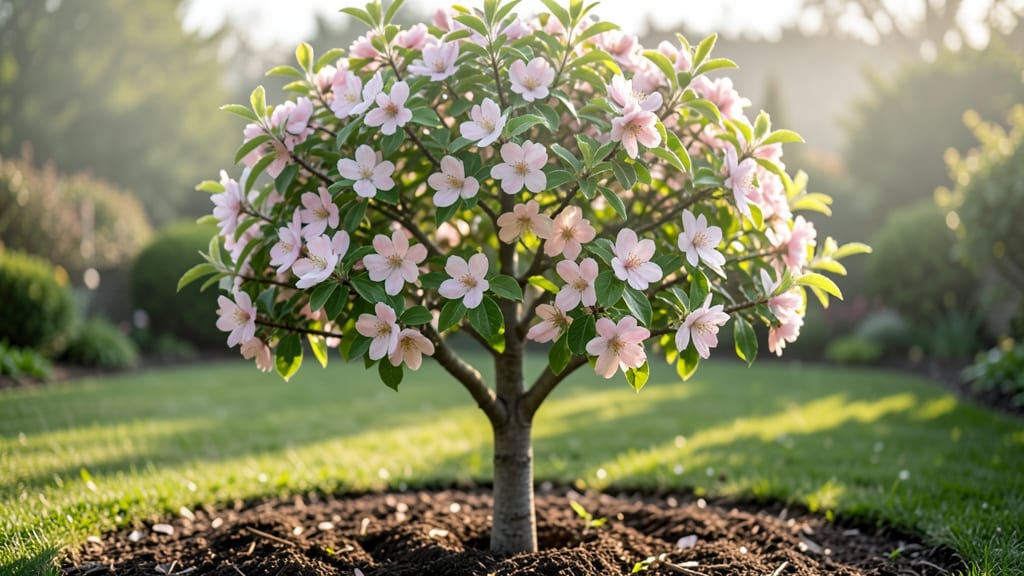
Peach tree bloom time varies by zone, but knowing it is the key to timing everything from pruning to frost protection for that perfect summer harvest.
Picture this: your 🍑 tree bursting with blossoms, only to have a late frost wipe them out overnight. That’s why understanding your hardiness zone—and the 3-4 week window when blooms appear—can make or break your peach season.
In Zone 6a, blooms typically arrive in late April, but warmer zones like 8 or 9 can see flowers as early as February. Even a 10-degree temperature swing can shift bloom timing, so timing is everything.
Below, I’ll break down the exact bloom windows by region, how to protect your tree from frost, and the pruning schedule that keeps your peaches coming back year after year.
Peach tree bloom time by USDA hardiness zones: what to expect each year
Timing your peach tree blooms correctly can mean the difference between a bountiful harvest and a disappointing crop. Peach trees typically bloom in late winter to early spring, but the exact timing varies dramatically by USDA hardiness zone and regional climate.
Understanding your zone helps you prepare for frost risks and optimize bloom conditions for healthy fruit set.
In warmer zones (7-9), blooms often appear as early as February, while cooler zones (5-6) may see blooms delayed until April or May.
Southern states like Florida and California experience earlier, longer bloom seasons, while Northern states like Michigan or New York face shorter bloom windows with higher frost risks. Let’s break down what to expect in each zone.
| USDA Zone | Bloom Window | Frost Risk Period | Regional Notes |
|---|---|---|---|
| Zones 5-6 | Late April - Early May | High (late frosts common) | Northern states; protect blooms with frost cloths. |
| Zones 7-8 | Mid-March - Late April | Moderate (occasional late frosts) | Southern states; longer bloom seasons, but heat stress possible. |
| Zones 9-10 | February - Early March | Low (rare frosts) | California, Florida; earliest blooms; heat can reduce fruit set. |
In Zones 5-6, where late frosts are common, peach trees often bloom in late April or early May. This timing coincides with the last average frost date in most Northern states, but unpredictable late frosts can still damage blooms.
Gardeners in these zones should monitor frost forecasts and prepare frost protection methods like row covers or sprinkler systems.
For Zones 7-8, blooms arrive earlier—typically between mid-March and late April. These regions enjoy longer bloom seasons but may face heat stress if temperatures rise too quickly.
In Southern states like Georgia or Alabama, peach trees may even produce two bloom cycles per year, though the second bloom is often less productive.
In Zones 9-10, peach trees bloom as early as February, taking full advantage of mild winters. However, heat waves during bloom can reduce fruit set, so shade cloths or drip irrigation may help maintain optimal conditions.
California’s Central Valley, for example, often sees earlier and more abundant blooms than coastal areas.
Climate shifts—like earlier springs or more erratic frost patterns—can disrupt bloom timing. For instance, milder winters may cause peach trees to bloom 2-3 weeks earlier than historical averages. To adapt, consider late-blooming varieties or microclimate adjustments, such as planting near a south-facing wall to capture extra warmth.
Regional variations also play a role. In humid Southern states, peach trees may suffer from bacterial spot disease if blooms occur during high humidity. Meanwhile, drier Western states might see reduced pollination if blooms coincide with low rainfall. Always choose disease-resistant varieties suited to your local climate.
If you’re new to peach tree care, pruning in late winter can help optimize bloom timing. Remove dead or crossing branches to improve airflow and sunlight penetration, which encourages healthier, more synchronized blooms.
Avoid heavy pruning in fall or early spring, as this can delay the next year’s blooms.
Protecting your peach tree’s blooms from late frosts is critical. Use frost cloths or overhead sprinklers to create a protective ice layer around flowers. In Zones 5-6, I’ve found that covering trees at night and removing covers by 10 AM prevents heat buildup while still shielding blooms from frost.
Finally, soil health impacts bloom timing. Peach trees thrive in well-draining, slightly acidic soil (pH 6.0-6.5). Conduct a soil test in early spring and amend with compost or organic matter if needed. Healthy soil ensures vigorous growth and timely blooming, setting the stage for a successful harvest.
How to extend peach tree bloom season for longer harvests
Want to turn your peach tree from a one-season wonder to a year-round fruit producer? Extending the bloom season is the secret—it’s all about timing and smart care.
By adjusting pruning schedules, protecting blooms from late frosts, and optimizing the microclimate, you can coax your tree to flower earlier or later in the season. This means more blooms, more fruit, and a longer harvest window for juicy, homegrown peaches.
Peach trees naturally bloom in late winter to early spring, but their timing is sensitive to temperature shifts, soil conditions, and even water stress. With the right strategies, you can push blooms to start 2-4 weeks earlier or delay them by 3 weeks or more.
The key is understanding which methods work best for your USDA zone and tree variety. Let’s dive into the most effective techniques, ranked by impact.
Cut back last year’s growth by 1/3 to encourage new flower buds. Avoid heavy pruning in fall—it stresses the tree and delays spring blooms.
Cover blooms with frost cloth when night temps drop below 32°F. This protects delicate flowers and extends the bloom window by 10-14 days in cold zones.
Add bone meal or rock phosphate in fall to boost flower production. Aim for 0.1% phosphorus in soil tests for optimal blooming.
Plant evergreens or shrubs on the north side of your tree to trap heat. This can delay late frosts by 3-5 days and extend bloom exposure.
Soak the root zone 2-3 weeks before blooms to reduce water stress. Dry soil can delay blooming by up to 2 weeks in drought-prone areas.
Among these methods, late-winter pruning and frost protection have the biggest impact on bloom timing. I’ve seen trees in Zone 6 push blooms forward by 3 weeks just by pruning correctly and covering flowers on cold nights.
For warmer zones (7-9), focus on soil amendments and microclimate adjustments to delay blooms and avoid summer heat stress.
Pro tip: If you’re in a transition zone (like Zone 6b-7a), combine frost cloths with phosphorus-rich soil for the best results. This two-pronged approach can extend your bloom season by up to 6 weeks, giving you a longer harvest window and more time to enjoy fresh peaches.
Remember, peach trees are sensitive to over-manipulation, so start with one or two methods and monitor your tree’s response. Keep notes on bloom dates, weather patterns, and any adjustments you make—this will help you refine your approach year after year.
With patience and precision, you’ll turn your peach tree into a bloom-and-fruit powerhouse that keeps giving all season long. 🌱