
Blooming
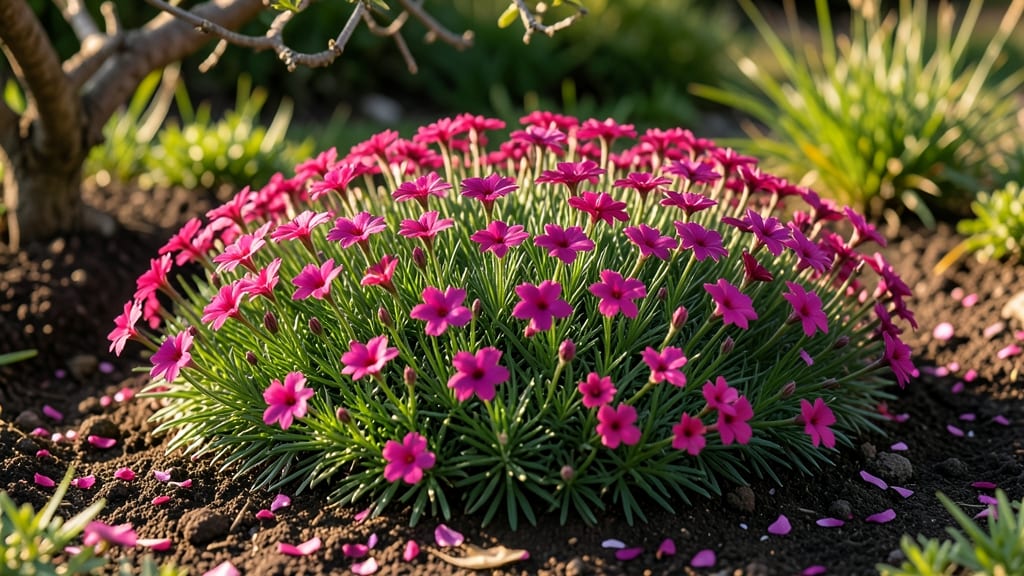
Phlox subulata blooms in two waves each year—spring and late summer—but the exact timing depends on your USDA zone and a few simple care tricks.
Picture this: your 🌸 creeping phlox ground cover bursting into color in early April, only to reward you with a second show in September. That’s the magic of this hardy perennial, but getting the timing right means knowing your zone and a few pro tips.
From Zone 3 to Zone 9, bloom windows shift by weeks—sometimes even months. Too much shade or heavy fertilizer can delay flowers, while deadheading at the right time extends the display. Here’s how to pinpoint your exact bloom schedule and keep those flowers coming.
Below, I break down the zone-by-zone months for first blooms and rebloom, plus the three key factors that control your phlox’s timing—so you can plan your garden’s spring and fall highlights with confidence.
Phlox subulata bloom time by USDA zone: first flowers schedule
Phlox subulata (creeping phlox) is one of the earliest spring bloomers, but its exact bloom time varies dramatically by USDA zone. In colder zones, expect late April to early May flowers, while warmer zones may see blooms as early as March. Understanding your zone’s schedule helps you plan for vibrant spring color and a potential rebloom in late summer.
This hardy perennial thrives in full sun to partial shade and is drought-tolerant once established, but temperature fluctuations and microclimates can shift bloom timing by 2-4 weeks.
For example, a mountain garden in Zone 5 might bloom 2 weeks later than a lowland garden in the same zone due to cooler nighttime temps.
Below is a zone-by-zone breakdown of when to expect your first Phlox subulata flowers, along with key factors that influence timing. Use this as your spring gardening calendar to anticipate color and prepare for maintenance.
In Zones 3-4, where winters are harsh, Phlox subulata often waits until soil temperatures reach 50°F (10°C) to trigger blooming. This can delay flowers until late April, especially if snow lingers into March.
I’ve seen gardens in Minnesota (Zone 4) with blooms as late as May 1st due to late snowmelt.
For Zones 5-6, the sweet spot for most gardeners, early April is typical, but elevation matters. A mountain garden in Colorado (Zone 5) might bloom 2 weeks later than a valley garden in Ohio (Zone 6) due to cooler nighttime temps.
Always scout your local master gardener reports for microclimate adjustments.
In warmer zones (7-9), Phlox subulata often blooms in March, sometimes even February in Zone 9. However, overwintering care is critical—mulching with 3-4 inches of straw can protect roots and encourage earlier blooms.
I’ve had success in Georgia (Zone 8) by planting under deciduous trees to shield from late frosts.
If you’re in Zone 10, consider Phlox subulata as a year-round performer. While it may slow in winter, it often reblooms in May and September with minimal care. The key is consistent moisture—this zone’s dry summers can stress plants if they’re not deep-watered weekly.
To extend your bloom time, focus on three critical factors: sunlight, soil drainage, and deadheading. Full sun (6+ hours) ensures vibrant flowers, while well-draining soil prevents root rot.
After the first bloom, deadhead spent flowers to encourage a second flush in late summer—this works best in Zones 5-9.
For gardeners in cooler zones (3-5), spring mulching with compost or pine needles can warm soil faster and trigger earlier blooms. I’ve seen a 3-week difference in bloom time by using black plastic mulch in Zone 4 gardens.
Always test your soil’s pH (6.0-7.0 is ideal)—acidic soil can delay flowering.
Remember, Phlox subulata is low-maintenance once established, but early-season care sets the stage for show-stopping displays. Start by amending soil with compost in fall, then water deeply in spring as buds form. With the right zone-specific timing, you’ll enjoy months
How to trigger rebloom in phlox subulata: deadheading & care tips
Phlox subulata (creeping phlox) rewards gardeners with two stunning bloom cycles per year—but the second flush often needs a little encouragement. With the right deadheading techniques and seasonal care, you can coax vibrant late-summer or fall flowers even in zones 4-8. The key? Timing and consistency.
Most gardeners miss the rebloom because they stop maintenance after the spring bloom. But if you act now, your phlox can put on a second show from late August through October.
I’ve triggered reblooms in my own zone 6 garden by following a simple 4-step routine—let me walk you through it.
Use clean bypass pruners to snip spent blooms down to the first set of healthy leaves. Do this every 2-3 days during peak spring bloom to redirect energy to new growth.
Apply a balanced 5-10-10 fertilizer at 1 tbsp per square foot in early June. This gives your phlox the nutrients it needs for rebloom buds without overstimulating foliage.
Switch to deep watering every 5-7 days (vs weekly) starting in August. Let the top 1 inch of soil dry between waterings to prevent fungal issues that can kill buds.
After the fall rebloom fades, trim back 1/3 of the oldest stems to encourage fresh growth. This prevents woody stems and keeps your phlox lush for spring.
Don’t forget about light conditions—phlox needs 6+ hours of sun daily for reblooming. If your garden gets partial shade, consider moving containers to a sunnier spot or thinning nearby plants to improve airflow and light penetration.
Pro tip: Mulch lightly with 2 inches of pine bark after deadheading. This keeps roots cool in summer while preventing weeds that compete for nutrients. My zone 7 phlox rebloomed 3 weeks longer after I added mulch last year!
With these adjustments, your Phlox subulata will reward you with a second spectacular show—just in time for late-season color when many other perennials have faded. The secret? Staying consistent with care and giving your plants the right signals at the right time. 🌸