
Blooming
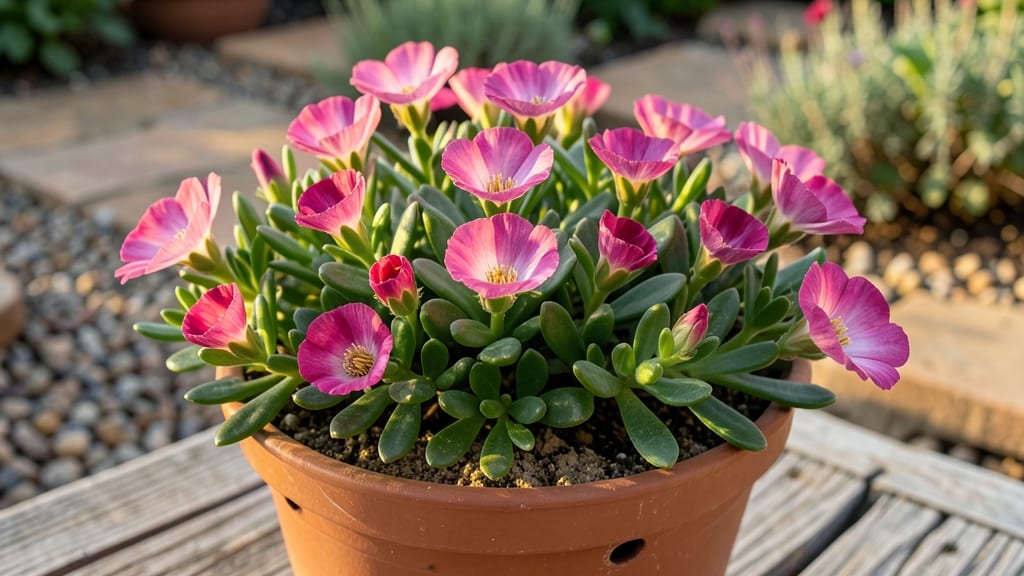
Portulaca blooms in the heat-triggered bloom time that turns your garden into a splash of color 🌸—but only if you know the right conditions.
If you’ve ever wondered why your Portulaca flowers bloom in a burst of color one day and fade the next, the answer lies in its heat-triggered biology—where timing, variety, and climate zone collide to create a stunning (but fleeting) display.
Most varieties kick off their show in late spring to early summer, with peak performance stretching through July and August in Zone 6a and warmer regions. But here’s the catch: cooler mornings or inconsistent heat can stall blooms, while too much water sends them packing early.
Below, I’ll break down the exact bloom stages by variety, how to spot the signs of a coming show, and the simple tricks to stretch those vibrant blooms for weeks longer.
How portulaca bloom time varies by heat-triggered variety
Portulaca, or moss rose, is famous for its heat-triggered blooms that explode in color when temperatures rise. But not all varieties bloom at the same time—some respond to early warmth, while others wait for peak summer heat.
Understanding these differences helps you time plantings for continuous color from late spring to frost.
The two main types—Portulaca grandiflora (ornamental) and Portulaca oleracea (edible)—have distinct bloom triggers. Ornamental varieties prioritize bright, showy flowers, while edible types focus on leaf production unless stressed. Even within ornamental portulaca, cultivar selection shifts bloom windows by 2–4 weeks depending on heat sensitivity.
Here’s how bloom timing breaks down by variety, including zone-specific adaptations to extend your display:
| Variety | Bloom Trigger | Peak Bloom Window | Zone Adaptations | Notes |
|---|---|---|---|---|
| Portulaca grandiflora 'Sundance' | 55°F+ soil temp | Late May–July (Zones 7–10) | Early bloomer; mulch to warm soil faster | Bright yellow, heat-tolerant |
| Portulaca grandiflora 'Scarlet Drum' | 65°F+ air temp | June–August (Zones 8–11) | Needs afternoon shade in Zone 10+ | Deep red, drought-resistant |
| Portulaca grandiflora 'Tangerine' | 70°F+ consistent | July–September (Zones 9–11) | Late bloomer; water deeply in heat | Orange, long-lasting blooms |
| Portulaca oleracea (edible) | Stress-induced (drought/heat) | August–Frost (Zones 5–11) | Blooms poorly in cool zones; prioritize leaves | Small white/pink flowers |
In cooler zones (Zones 5–7), start with early-blooming varieties like 'Sundance' in late April to catch the first heat waves. These types thrive when soil temperatures hit 55°F+, often 2–3 weeks earlier than mid-season cultivars.
For Zone 8+ gardens, mix early and late bloomers to stagger displays—plant 'Scarlet Drum' in May and 'Tangerine' in June for a 3-month cascade.
Heat-resistant cultivars like 'Scarlet Drum' handle 100°F+ days better than others, making them ideal for desert landscapes or container gardens in urban heat islands. However, even these varieties skip blooming if daytime temps drop below 70°F for 3+ days.
In Zone 10–11, provide light shade afternoons to prevent heat stress and extend bloom duration.
Edible Portulaca oleracea is the outlier—its tiny flowers appear only under water stress or extreme heat, usually in late summer. Prioritize harvesting leaves in cooler months, then let plants bolt for flowers if you’re growing for both culinary and ornamental value.
This dual-purpose trait makes it a low-maintenance option for permaculture gardens.
To maximize bloom time, pair varieties with complementary triggers. For example, combine 'Sundance' (early) with 'Tangerine' (late) in containers or rock gardens where soil warms quickly. In ground beds, interplant with heat-loving companions like zinnia or lantana to create a longer-season color palette.
Pro tip: Use black plastic mulch in Zone 6–7 to raise soil temps by 5–10°F, triggering earlier blooms. In Zone 9+, avoid mulch—it can overheat roots
Portulaca bloom stages: when and how long to expect flowers
Portulaca flowers don’t follow a predictable schedule like many annuals—they burst into bloom when soil temperatures hit 65°F (18°C) or warmer, typically in late spring to early summer depending on your USDA zone.
This heat-triggered response means your plants might flower in June in Zone 7 but not until July in Zone 5. Recognizing the pre-bloom signals is key to timing your garden expectations correctly.
Before flowers appear, watch for elongated stems and bud formation near the soil line. These pre-bloom shoots often emerge within 10–14 days of consistent warmth, signaling the plant’s readiness to flower. Once buds form, count on 7–10 days until the first fully open blooms appear.
The timing can shift dramatically based on day length and moisture stress, so don’t be surprised if your neighbors’ portulaca blooms earlier or later than yours.
- 1 Pre-Bloom Stage (10–14 days): Look for green, elongated stems and bud formation near the base. Soil temps must stay above 65°F (18°C) for 3+ days.
- 2 Bud Development (7–10 days): Buds swell and turn pink or yellow (varies by variety). This phase is most sensitive to water stress—drought can halt progress.
- 3 Peak Bloom Window (2–4 weeks): Flowers open fully in morning sunlight, lasting 1–2 days per bloom. Day length (14+ hours) triggers continuous flowering in summer.
- 4 Senescence (1–2 weeks post-peak): Blooms fade quickly if soil stays dry or temps drop below 70°F (21°C). In Zone 9+, blooming can extend into early fall with consistent warmth.
Once blooms appear, expect a 2–4 week display under ideal conditions—full sun, well-draining soil, and minimal watering (portulaca hates soggy roots).
The peak bloom period aligns with longest daylight hours (June–July in most zones), but shortened days in late summer signal the plant to conserve energy, causing blooms to taper off. In cooler zones (Zone 5–6), you might see a second, weaker flush in early fall if temperatures stay mild.
Factors like water stress or nutrient deficiencies can cut bloom time short. For example, overwatering in hot weather causes root rot, while underwatering triggers drought dormancy. Even a single week of cloudy weather can delay blooming by 5–7 days because portulaca relies on sunlight for energy production.
To maximize your display, ensure your plants get 6+ hours of direct sun daily and avoid heavy mulch that retains excess moisture.
Pro tip: In Zone 9–10, where summers are relentlessly hot, portulaca may bloom earlier (May) but also fade faster due to heat stress. If you notice buds dropping before opening, provide light afternoon shade with a 30% shade cloth to protect them without stunting growth.
This simple adjustment can extend your bloom season by 1–2 weeks in extreme climates.
Remember, portulaca’s fleeting blooms are part of its charm—embrace the short-lived beauty and plan companion plants like lantana or zinnia to bridge gaps between bloom cycles. With the right conditions, you’ll enjoy weeks of vibrant color, making every moment count.