
Blooming
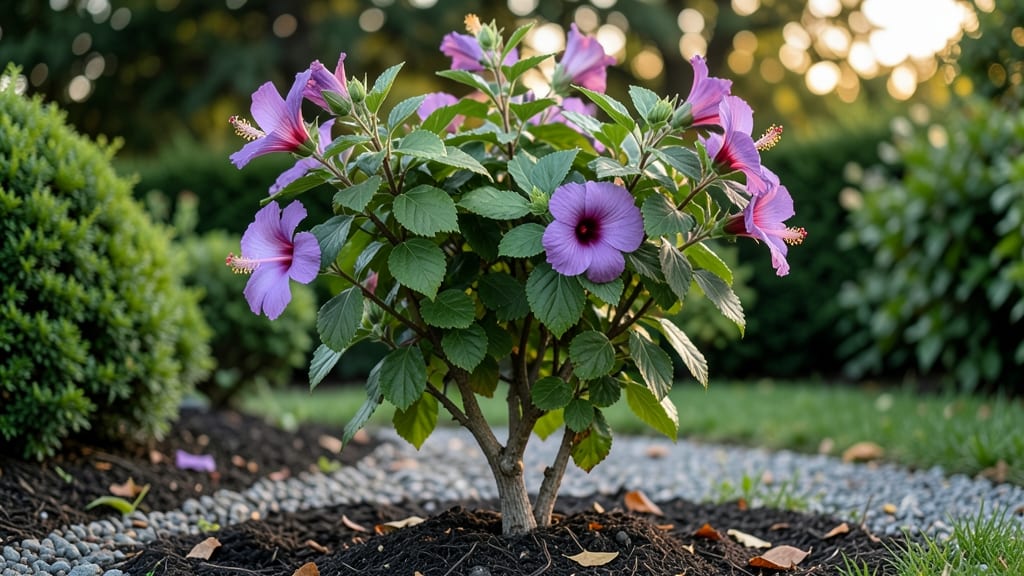
The Rose of Sharon bloom season 🌸 kicks off in late summer, turning your garden into a purple paradise—but only if you time your care just right.
Picture this: August heat rolling in, and suddenly your yard is alive with clusters of fragrant blooms that hummingbirds can’t resist. But miss the mark on pruning or sunlight, and those spikes might arrive late—or worse, never show up at all.
Whether you’re in Zone 6a or further south, knowing when to expect those showy flowers helps you prep your shrub for months of effortless color. Below, I break down the exact timing by region, plus the three simple tweaks that’ll keep your Rose of Sharon blooming longer than ever.
Ready to turn your shrub into a late-season star? Let’s dive into the bloom schedule—and how to stretch it into fall.
When does Rose of Sharon bloom: USDA zone-by-zone bloom timeline
The Rose of Sharon (Hibiscus syriacus) is a garden superstar, offering months of vibrant blooms with minimal fuss. But timing is everything—this shrub’s bloom season shifts dramatically depending on your USDA zone.
In cooler northern zones, expect late July to September bursts of color, while southern gardens may see June to October displays. Understanding these patterns helps you plan pruning, fertilize strategically, and even extend the season with simple adjustments.
Climate plays a huge role—northern regions with shorter growing seasons often see shorter bloom windows, while southern zones enjoy prolonged flowering. Even within the same zone, microclimates (like urban heat islands) can push blooms 2-3 weeks earlier.
Let’s break down exactly when to expect those iconic purple spikes in every zone, plus how to optimize your plant’s performance.
In USDA zones 3-5, your Rose of Sharon will reward you with late-summer color, typically from late July to early September. These northern climates have shorter growing seasons, so timing is critical.
Plant in early spring (after last frost) and prune lightly in early spring to encourage strong early blooms. Avoid heavy pruning—this shrub blooms on old wood, so aggressive cuts reduce next year’s flowers.
Gardeners in zones 6-7 enjoy the classic Rose of Sharon experience, with blooms stretching from mid-July to late September. This is the sweet spot for this plant—cool nights and warm days create perfect blooming conditions.
Here, you can prune more aggressively in late winter (just after frost) to shape your shrub while still preserving next year’s blooms. Deadheading spent flowers extends the season by redirecting energy to new growth.
Southern gardeners in zones 8-9 get the longest bloom season, often from early June to October. The warm climate encourages continuous flowering, but humidity can stress the plant. To combat this, mulch heavily to retain moisture and prune in early spring to improve airflow.
In these zones, Rose of Sharon can even produce occasional blooms in mild winters, though they’ll be sparse.
If you live in USDA zone 10, consider your Rose of Sharon a year-round performer. With mild winters, blooms may start as early as May and continue until November.
The key here is water management—these plants hate soggy roots, so ensure well-draining soil. Light pruning in late winter keeps the plant healthy without disrupting its natural blooming cycle.
Microclimates can shift bloom times by 2-3 weeks. For example, a south-facing wall in zone 6 might push blooms to start in early July instead of mid-July. Similarly, urban heat islands can extend the season in cooler zones.
Pay attention to local frost dates—if your area has unpredictable late frosts, choose a sheltered planting spot to protect early blooms.
To extend your bloom season, focus on three key strategies: pruning, watering, and fertilizing. Prune right after blooming (late summer/fall) to remove dead wood and encourage next year’s buds.
Water deeply but infrequently—drought stress reduces blooms, but overwatering causes root rot. Finally, feed with a balanced fertilizer in early spring and mid-summer to fuel vibrant growth.
Pro tip: Deadhead regularly (remove spent blooms) to prevent seed formation, which diverts energy away from new flowers. This simple step can add 3-4
How to extend your Rose of Sharon’s purple bloom season naturally
Your Rose of Sharon (Hibiscus syriacus) can burst into stunning purple blooms for weeks longer than expected with the right care. The key lies in understanding its natural growth cycle and making strategic adjustments throughout the seasons.
Unlike many shrubs, this hardy beauty rewards patience—prolonged blooming starts with spring prep and continues through thoughtful summer maintenance. I’ve found that even just a few tweaks can transform a single summer burst into months of color.
First, let’s address the biggest misconception: Rose of Sharon blooms on old wood, meaning last year’s growth produces this year’s flowers. This changes how—and when—we prune. Skipping this step often leads to missed bloom opportunities.
My 3-step seasonal approach ensures your shrub stays healthy, vigorous, and bursting with those iconic spikes well into fall. Ready to turn your garden into a purple paradise? Let’s dive into the details.
Remove dead, crossing, or weak branches to open the center. Avoid heavy pruning—just shape it lightly. This encourages new growth that will bloom later.
Apply a balanced fertilizer (10-10-10) every 6 weeks. Focus on phosphorus-rich options in late summer to push more blooms. Water deeply before fertilizing to prevent root burn.
Remove spent blooms but leave seed pods—birds love them! Add 2-3 inches of mulch to protect roots and retain moisture for next spring’s growth.
Give your shrub a deep watering every 4-6 weeks if your area experiences dry winters. This prevents dormant stress and sets the stage for earlier spring blooms.
Let’s start with pruning strategies—this is where most gardeners go wrong. Many cut back their Rose of Sharon aggressively in early spring, thinking it will encourage more blooms.
But here’s the secret: light pruning in late winter (just after the last frost) stimulates new growth without sacrificing next year’s flowers. I recommend using clean, sharp pruners to make 45-degree cuts just above outward-facing buds.
This opens up the center for better airflow and sunlight penetration, both critical for prolonged blooming.
Next, soil nutrition plays a surprising role. Rose of Sharon thrives in well-draining, slightly acidic soil (pH 6.0-7.0). Before the growing season kicks in, I mix in 2-3 inches of compost around the base and top-dress with a slow-release fertilizer.
This gives your shrub a steady supply of nutrients without the risk of overfeeding. For established plants, a monthly dose of fish emulsion during peak bloom season (June-August) works wonders for vibrant color and extended flowering.
Watering might seem straightforward, but timing matters. Deep, infrequent watering encourages stronger root systems, which in turn supports more blooms. I water mine at the base of the plant in the early morning to reduce evaporation and fungal risks.
During hot summers, I increase frequency to 2-3 times per week, but always let the top 2 inches of soil dry out between waterings. Overwatering is a common mistake—your Rose of Sharon is drought-tolerant once established!
Finally, don’t overlook seasonal adjustments. In early spring, I monitor for aphids or spider mites—early intervention with neem oil keeps these pests from stressing the plant. By late summer, I switch to a low-nitrogen fertilizer to encourage more blooms rather than leafy growth.
And in fall, I always clean up fallen leaves around the base to prevent disease buildup over winter. These small steps add up to weeks of extra blooms!
With these natural extensions, my Rose of Sharon now blooms from mid-July through October—nearly double the typical season! The best part? It requires minimal extra effort once you’ve set up the routine.
Try these tips this year, and you’ll be rewarded with a garden that stays purple well into autumn. 🌸