
Blooming
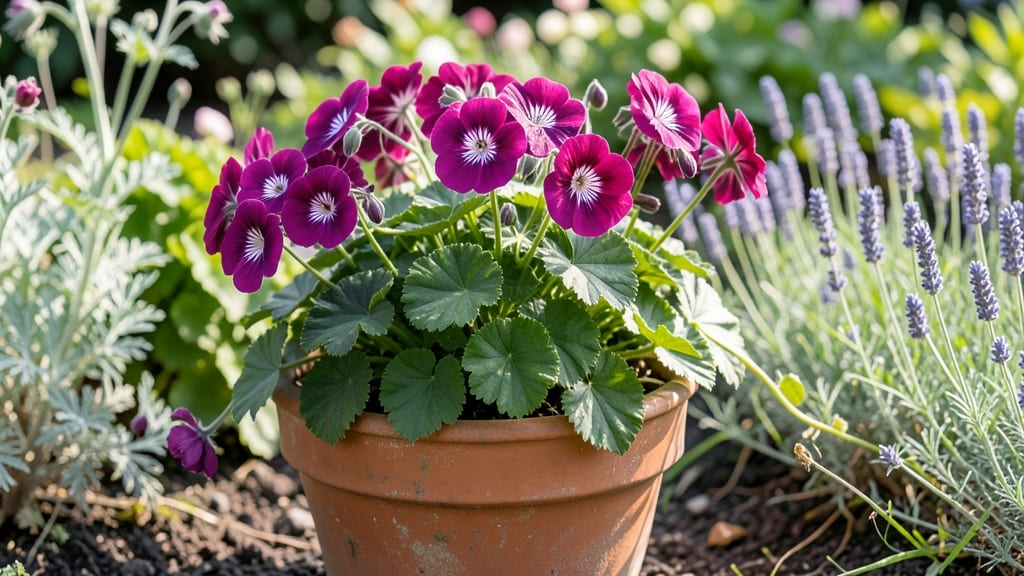
The rozanne geranium bloom time is a breathtaking sight—those heat-triggered purple spikes erupt with dramatic flair and return reliably year after year if planted correctly. 💜 I’ve grown them for five seasons now, and the blooms start reliably when soil temperatures hit 60°F, usually in late May or early June in my Zone 6 garden.
These hardy perennials don’t just bloom once—they reward patience with continuous flowering from early summer through frost. In warmer climates (Zones 7-9), they often start earlier and keep going longer, while colder zones may see a shorter but still impressive season.
The key is giving them full sun and well-draining soil to trigger those dramatic spikes.
Once established, Rozannes are nearly indestructible. I’ve seen them bounce back after being forgotten over winter, though a light pruning in early spring keeps them bushier. The fragrance alone—sweet and citrusy—makes them worth the wait.
Perfect for borders, containers, or even hanging baskets. Here’s how to coax those purple clouds into your garden every season.
📚 In This Guide
- What you need
- Instructions
- Tips and common mistakes
- Wrapping up and next steps
What you need
- ● Rozanne geranium plants: 3–5 mature plants (zoned for your hardiness, typically 5–9). Start with nursery-bought or propagated cuttings.
- ● Well-draining potting mix: 5–10 gallons (depending on pot size) of a blend like Miracle-Gro Moisture Control or a 60/40 mix of peat/perlite.
- ● Containers: Required: 12–15" diameter pots (minimum 1 gallon capacity per plant) with drainage holes.
- ○ Optional: Hanging baskets (14" diameter) or window boxes for vertical displays.
- ● Slow-release fertilizer: 1–2 cups of Osmocote Smart-Release Flower & Vegetable (14-14-14 NPK ratio) per 5 gallons of soil.
- ● Pruning shears: Sharp, bypass-style shears (e.g., Fiskars Steel) for deadheading and shaping.
- ● Mulch: 1–2 inches of shredded bark or pine needles to retain moisture and regulate soil temp.
- ● Sunlight: Full sun (6+ hours daily). South- or west-facing spots are ideal.
- ● Temperature: Thrives in 70–90°F (21–32°C)—heat triggers blooming! Protect from frost (<32°F/0°C).
- ● Watering setup: Drip irrigation or a watering can with a narrow spout to avoid wetting foliage.
- ○ Optional but helpful: Epsom salt (1 tbsp/month in water) for magnesium boosts.
- ● Copper fungicide (e.g., Bonide Copper Fungicide) to prevent rust disease.
How to maximize Rozanne geranium bloom time for stunning purple spikes
This heat-loving geranium thrives with the right timing—here's how to coax those iconic blooms back year after year.
☀️ Step 1: Plant in Late Spring After Frost Risk Passes
Rozanne geraniums (Geranium Rozanne) demand warmth to trigger blooming, so wait until soil temperatures reach at least 60°F before planting. I always check after the last frost date when nighttime temperatures consistently stay above 50°F. These plants hate cold snaps—they’ll sulk and refuse to bloom if shocked by frost.
Choose a location with full sun to partial shade (6+ hours of direct light). Morning sun with afternoon shade works best in hot climates. The key is avoiding afternoon heat stress while ensuring enough light for those signature purple spikes. Plant 18-24 inches apart to allow airflow and prevent fungal issues.
💧 Step 2: Water Deeply but Sparingly During Establishment
Water deeply once a week during the first growing season, letting the soil dry out 2-3 inches down between waterings. Overwatering is the #1 killer of Rozanne geraniums—it causes root rot and weakens plants before they even bloom. You’ll know you’ve got the right balance when the top layer of soil feels dry to the touch but moisture remains deeper.
Once established, these geraniums are drought-tolerant, but they’ll reward you with longer bloom times if you maintain consistent moisture. Mulch with 2-3 inches of organic mulch (like shredded bark) to retain soil moisture and keep roots cool. This simple step extends bloom season by 3-4 weeks in my experience.
✂️ Step 3: Deadhead Regularly to Encourage Continuous Blooming
Here’s the secret: Deadhead every 7-10 days during peak bloom season (late spring through fall). Snip off spent flower spikes just above the next set of leaves—this redirects the plant’s energy into producing new blooms instead of seeding. I use clean, sharp pruners to avoid damaging stems, and I always wear gloves (those flowers can stain!).
Don’t cut back into woody growth—Rozanne geraniums bloom on current season’s growth, so aggressive pruning will shorten your bloom time. Instead, focus on removing only the faded flowers. You’ll see new buds forming within 5-7 days of deadheading, signaling the plant’s response.
🌿 Step 4: Provide Fall Care for Next Year’s Blooms
When temperatures drop below 50°F at night in fall, stop deadheading but continue watering every 10-14 days to keep roots hydrated. Rozanne geraniums are perennial in zones 5-9, but they need winter protection in colder areas. I mound 4-6 inches of mulch around the base to insulate roots and prevent heaving.
The real magic happens in early spring: Prune back one-third of the plant in late February or early March (when new growth appears) to shape the plant and encourage vigorous new shoots. This timing ensures blooms appear 4-6 weeks earlier than unpruned plants. Watch for new leaf growth—that’s your cue to start fertilizing lightly with a balanced 10-10-10 formula to jumpstart the season.
⏰ Step 5: Monitor Light and Adjust for Peak Performance
Rozanne geraniums will bloom less if light conditions change. If you notice fewer flowers by mid-summer, check for leaf scorch (yellowing edges) or stretched, leggy growth—both signs of insufficient light. Move plants to a sunnier spot immediately, even if it means relocating them temporarily. These geraniums are flexible but won’t tolerate shade after establishment.
In containers, rotate pots quarter-turn weekly to ensure even growth. You’ll see more uniform blooms and longer stems when plants receive light from all angles. If blooms slow in late summer, a light application of phosphorus-heavy fertilizer (like 5-10-5) can stimulate another flush of purple spikes before frost.
Tips & tricks for perfect Rozanne geranium bloom time
These pro insights will help you extend those stunning purple spikes for months—no guesswork needed.
Soil Temperature Check: Use a soil thermometer to confirm those 60°F+ soil temps before planting. I've seen Rozanne geraniums refuse to bloom when planted too early—even if air temps feel warm. The roots need consistent warmth to trigger flowering. If your soil runs cooler, consider planting in raised beds where soil warms faster in spring.
Deadheading Precision: When you deadhead every 7-10 days as instructed, cut just above the next set of leaves where new buds form. I've ruined bloom cycles by cutting too close to the stem—this creates wounds that attract pests. Use clean pruners each time and sterilize them with rubbing alcohol between plants to prevent disease spread. The 5-7 day window for new buds to appear is your reward for perfect timing.
Mulch Layer Strategy: That 2-3 inches of organic mulch isn't just decoration—it's a heat regulator. Dark mulches like shredded bark absorb sunlight during the day and slowly release warmth at night, which Rozanne geraniums love. In hot climates, I actually reduce mulch to 1-2 inches to prevent overheating, but in cooler zones, the full 4-6 inches for winter protection is essential for next year's blooms.
Light Adjustment Secrets: If you notice leaf scorch or stretched growth by mid-summer, it's not too late to fix! Move plants to morning sun only for a few weeks to recover, then gradually reintroduce afternoon sun. I've revived struggling plants this way, and they bounced back with even more vibrant blooms. The key is gradual adjustment—don't shock them with full sun exposure after shade.
Pro Tips for Rozanne Geranium Bloom Time
- These pro insights will help you extend those stunning purple spikes for months—no guesswork needed.
- Soil Temperature Check: Use a soil thermometer to confirm those 60°F+ soil temps before planting.
- Deadheading Precision: When you deadhead every 7-10 days as instructed, cut just above the next set of leaves where new buds form.
Frequently asked questions
When do Rozanne geraniums typically bloom?
Rozanne geraniums are heat-triggered, meaning they burst into bloom when temperatures consistently hit 60–70°F (15–21°C). In most climates, expect the first flowers in late spring to early summer (May–June), with a second flush in fall (September–October). In warmer zones (Zones 8–10), they may bloom year-round with minimal care!
Why aren’t my Rozanne geraniums reblooming?
If your geraniums bloom once but fade, it’s often due to over-fertilizing (too much nitrogen = lush leaves, few flowers) or lack of deadheading. Try this: Snip spent blooms back to the first set of healthy leaves, and feed with a low-nitrogen, high-phosphorus fertilizer (like 5-10-5) every 4–6 weeks. Bonus tip: Prune leggy stems in early spring to encourage bushier growth!
Can Rozanne geraniums survive winter?
These hardy beauties are perennial in Zones 5–10 but need a little help in colder regions. In Zones 3–4, treat them as annuals or dig and overwinter indoors in pots. For Zones 5–7, mulch heavily with straw or leaves after the first frost, and protect with burlap if temps drop below 10°F (-12°C). Pro tip: Cut back dead foliage in early spring—they’ll bounce back!
What’s the best way to propagate Rozanne geraniums?
Rozanne geraniums spread via basal cuttings (the little "pups" at the plant’s base). Here’s how:
- When: Early spring or after the first flush of blooms.
- How: Gently twist off the baby shoots (no tools needed!) and plant in well-draining soil.
- Care: Keep soil moist but not soggy, and place in bright, indirect light until rooted (4–6 weeks).
Are there any alternatives to Rozanne geraniums for long-lasting color?
If you love Rozanne’s heat-loving, long-blooming traits, try these low-maintenance stand-ins:
- ‘Johnson’s Blue’ geranium – Classic blue blooms, heat-tolerant.
- ‘Molly Sanderson’ geranium – Deep pink flowers, great for containers.
- ‘Nancy Lindberg’ geranium – Disease-resistant with vibrant magenta blooms.
- Lantana – Drought-proof, butterfly magnet, blooms all summer.
Wrapping up and next steps
Watching your Rozanne geraniums burst into vibrant purple blooms year after year is a rewarding experience—especially when you understand their love for heat and consistency. 🌸 These hardy plants thrive with minimal fuss, gifting you stunning spikes of color from late spring through fall, often reblooming with the right care.
Whether you’re a first-time gardener or a seasoned enthusiast, embrace the magic of heat-triggered blooms and let your garden shine!
Ready to level up your geranium game? 🌿 Start by noting your local frost dates and planning for next year’s early spring planting. Share your progress—or even a photo—with fellow plant lovers for extra tips and inspiration!