
Blooming
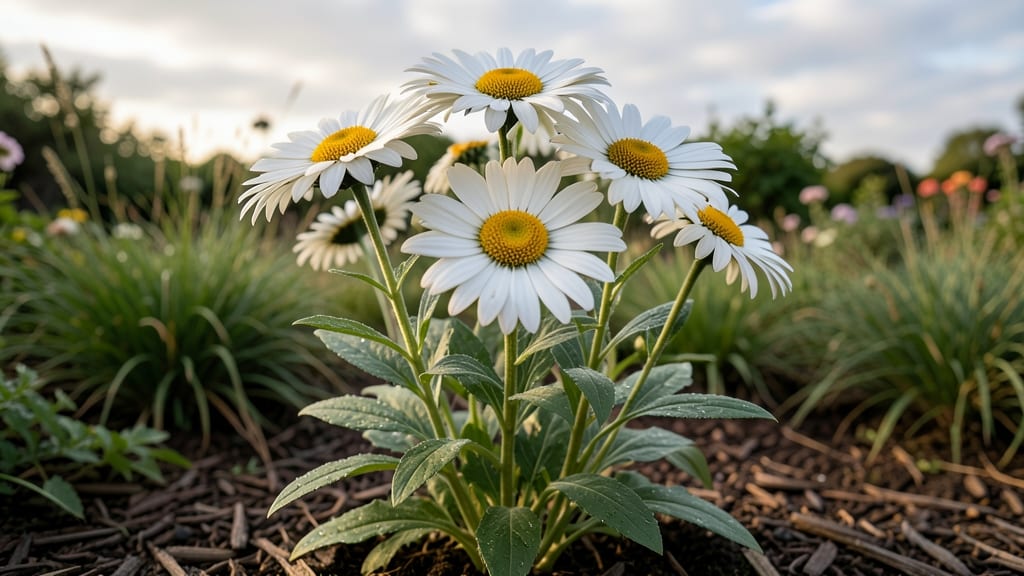
The Shasta daisy bloom time varies dramatically by zone, but most gardeners in Zone 6a can expect their first flowers by late June—if planted correctly.
If you’ve ever planted Shasta daisies hoping for a burst of summer color—only to be disappointed by sparse blooms—you’re not alone. The secret to maximizing their showy flowers lies in understanding their precise bloom windows by hardiness zone, which can vary by months depending on where you garden.
In cooler climates like mine, these cheerful white blooms 🌼 often start in June and stretch into September, while warmer regions might see them as early as May or lasting until October. The key? Planting at the right time and giving them full sun.
Below, I’ll break down the exact months for your zone, how to extend their bloom time, and which varieties last the longest—so you can plan for a garden full of effortless charm.
Shasta daisy bloom time by USDA hardiness Zone: month-by-month guide
Shasta daisies (Leucanthemum × superbum) are the stars of summer gardens, but their bloom timing isn’t one-size-fits-all. In USDA Zones 4–9, first flowers can appear as early as late May in the Deep South or as late as mid-July in cooler Pacific Northwest climates.
Understanding these variations helps you plan for peak color and avoid disappointment when your daisies seem slow to bloom.
First-year plants typically bloom 4–6 weeks later than mature ones, so timing matters even more for new gardeners. Reblooming varieties like 'Alaska Series' can extend your display into early fall, while classic single-bloomers like 'Becky' may finish by mid-August.
Let’s break down what to expect by zone and region.
🌱 Key Insight: Coastal areas (like Zone 7b in Oregon) often bloom 2–3 weeks earlier than inland zones due to milder spring temperatures. Meanwhile, Zone 9 gardeners in Florida may see blooms stretch into November with proper care.
In Zones 4–5, where winters are harsh, Shasta daisies often wait until mid-July to bloom because they prioritize root establishment over early flowering. The peak bloom period here is short—just 2–3 weeks—but reblooming varieties can extend color until early September if you deadhead regularly.
Gardeners in Zones 6–7 enjoy the longest bloom windows, with flowers appearing from late June through August. However, humid summers (like in the Southeast) can promote fungal diseases, so spacing plants 18–24 inches apart improves airflow and reduces risks.
In Zone 7b climates like Portland, OR, cooler temperatures naturally prolong blooms.
For Zones 8–9, early blooms start as soon as late May, but heat stress after July can cause buds to drop. To combat this, I recommend providing afternoon shade during peak summer months.
In Zone 9a (e.g., Atlanta, GA), daisies may continue blooming into November if given consistent moisture and deadheaded.
Regional microclimates play a huge role. For example, coastal California (Zone 9) sees blooms 2 weeks earlier than inland areas due to cooler ocean breezes. Meanwhile, Desert Southwest (Zone 8) gardeners should plant in partial shade to prevent scorched foliage, which can delay blooming by 3–4 weeks.
Pro Tip: If you want later-season blooms, delay deadheading until late July to let the first flush of flowers set seeds. This tricks the plant into thinking it’s fall, prompting a second wave of buds. Just be sure to remove faded blooms afterward to encourage new growth.
First-year Shasta daisies often bloom 4–6 weeks later than mature plants because they focus energy on root development. In Zone 5, this means you might not see flowers until early August—patience is key!
For reblooming varieties, the second flush typically appears 6–8 weeks after the first, so plan your garden layout accordingly.
To maximize your Shasta daisy’s potential, choose varieties that match your climate. 'Alaska Series' (reblooming) thrives in Zones 5–9 and offers 6–8 weeks of color, while 'Becky' (single-bloom) is ideal for Zones 5–8 and finishes by mid-August. Always check the
How to extend Shasta daisy bloom time: 5 proven tips for longer flowers
Want your Shasta daisies to bloom longer and brighter? The key lies in understanding their natural cycle and making small adjustments. These hardy perennials typically flower from mid-summer to early fall, but with the right care, you can stretch that window by 3-4 weeks.
The secret isn't just about water or fertilizer—it's about timing and technique.
Many gardeners accidentally shorten bloom time by over-pruning or neglecting soil health. Even reblooming varieties like 'Alaska' need specific care to perform at their best. Let's explore five science-backed strategies to maximize your daisies' flowering potential, from soil prep to strategic deadheading.
5 Proven Ways to Extend Shasta Daisy Bloom Time
- Deadhead daily - Remove spent blooms by pinching stems just above the next set of leaves to redirect energy to new buds. Use clean bypass pruners for precision cuts.
- Fertilize mid-season - Apply balanced 5-10-10 fertilizer when buds form (June) and again after first blooms (July). Avoid high-nitrogen feeds that promote foliage over flowers.
- Water deeply weekly - Soak soil to 12 inches deep rather than surface watering. Early morning watering prevents fungal issues that stress plants and shorten bloom cycles.
- Prune strategically - Cut back 1/3 of stems after first bloom to encourage second flush of flowers. Never prune below the basal rosette of leaves.
- Mulch heavily - Apply 3-inch layer of organic mulch (straw or shredded leaves) to retain moisture and regulate soil temperature, which extends root activity and flowering.
One common mistake gardeners make is waiting until flowers are completely brown before deadheading. By then, the plant has already allocated energy to seed production. Instead, remove blooms when petals start dropping—this keeps your daisies focused on producing new buds rather than seeds.
For late-season color, try delaying first blooms by planting reblooming varieties like 'Becky' or 'Karma' in early spring. These cultivars naturally flower later than traditional types. Combine this with consistent afternoon shade during peak summer heat (Zones 7-9) to prevent early stress-induced blooming.
Remember that Shasta daisies are perennials—the more you care for them now, the more reliable their blooms will be in future seasons. Start with these five techniques, and you'll enjoy continuous color from July through September instead of just a few weeks of peak blooms. 🌼