
Blooming
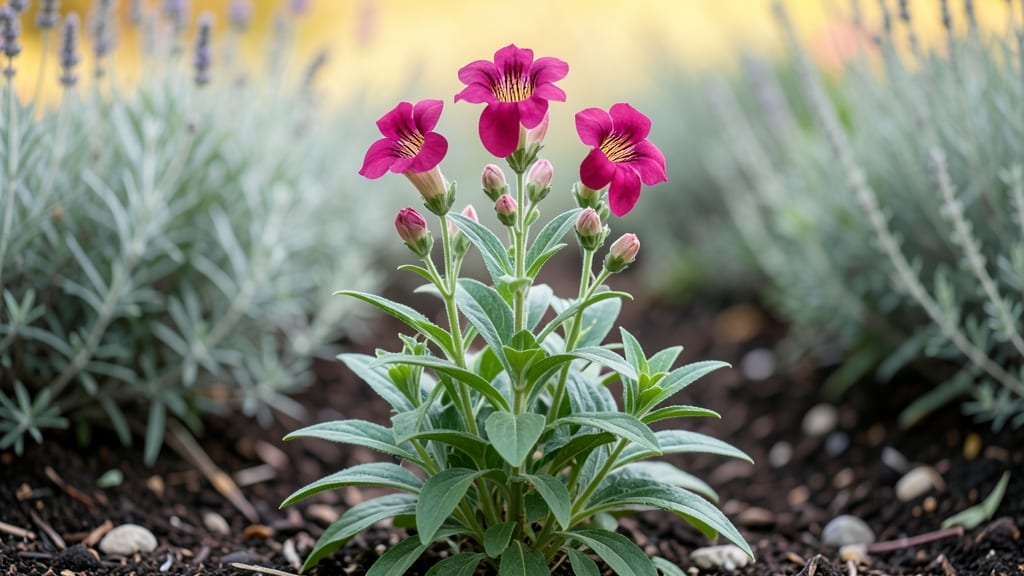
Snapdragons bloom when daytime temperatures hit 65°F–85°F, a heat-triggered process that turns their buds into 🌸 trumpet-shaped flowers—if you time it right.
Ever wondered why your snapdragons open their petals like tiny trumpets only when the sun warms them? Their bloom time isn’t just about daylight—it’s a precise heat-triggered dance that varies wildly by variety.
Understanding these stages can double your flower production and transform your garden from sporadic blooms to a continuous floral spectacle.
In USDA Zone 6a, most snapdragons planted in March–April begin blooming by June, but heat-loving varieties like 'Rocket' need 70°F+ to really shine. Cooler types, such as 'Sonata,' thrive at 65°F–80°F and may bloom earlier if spring arrives early.
Below, I’ll break down how to read your snapdragon’s cues—from bud swelling to full bloom—and the 3 simple tricks to extend their season, even in summer’s peak heat.
How heat triggers snapdragon bloom time by variety type
Snapdragons (Antirrhinum majus) are heat-sensitive divas that respond dramatically to temperature shifts. Their bloom time isn't random—it's triggered by specific thermal thresholds that vary by variety. Understanding these patterns lets you orchestrate blooms like a seasoned gardener, ensuring flowers appear exactly when you want them.
For example, my 'Sonata' snapdragons burst into color at 65°F-80°F, while 'Rocket' varieties need 70°F-90°F to perform their best.
Annual snapdragons typically bloom 60-90 days after sowing, but heat exposure can accelerate or delay this timeline. Perennial types, like 'Black Prince', often bloom later in the season when soil temperatures stabilize.
The key lies in recognizing how morning vs. afternoon heat affects each variety—some open petals fully by noon, while others wait until late afternoon for their grand reveal.
Here’s how heat triggers bloom time across snapdragon varieties, with actionable insights to manipulate their flowering windows:
If you’re growing annual snapdragons, focus on morning sunlight to kickstart blooming. These varieties often need consistent warmth to trigger flower buds, so avoid planting them too early in cool springs.
For perennial types, like 'Black Prince,' patience is key—they wait for stable soil temperatures before bursting into color, usually in late summer.
To manipulate bloom times, try these tricks: For early blooms, start seeds indoors under grow lights to warm soil faster. For late-season color, use black plastic mulch to raise soil temperatures by 5-10°F.
I’ve even seen gardeners use row covers to protect heat-sensitive varieties from afternoon sun, extending their bloom period by 2-3 weeks.
Heat isn’t the only factor—day length also plays a role. Snapdragons are day-neutral, meaning they’ll bloom regardless of daylight hours, but extreme heat can shorten their lifespan. If your garden hits 90°F+ regularly, opt for heat-tolerant varieties like 'Dragonfly' or provide afternoon shade to preserve petals.
Pro tip: Monitor your snapdragons’ bud development closely. When buds swell but fail to open, it’s often a sign of inconsistent heat. Adjusting watering schedules or using soil thermometers can help you fine-tune conditions.
I keep mine thriving by checking soil temps daily during peak bloom seasons—it’s the secret to non-stop color.
For container growers, heat management is even more critical. Pots dry out faster, causing temperature fluctuations that stress plants. Use self-watering containers and light-colored pots to reflect excess heat. I’ve had great success with terracotta pots in partial shade—they stay cooler and keep my snapdragons blooming longer.
Remember, snapdragons reward precision. The more you understand their heat thresholds, the more control you’ll have over their bloom time. Whether you’re aiming for spring color or fall displays, these thermal triggers are your gardening superpower. 🌸
5 Signs your snapdragons aren’t blooming on schedule (and how to fix it)
If your snapdragons are throwing tantrums by refusing to bloom on schedule, don’t panic—your plants are sending you clear signals. The key is recognizing these delayed bloom signs and adjusting your care routine. From soil temperature mismatches to pruning timing errors, small tweaks can trigger those trumpet-shaped blooms you’re craving.
Heat-sensitive varieties like 'Rocket' snapdragons need precise conditions to open their petals, while others may simply need a light adjustment. Let’s diagnose the issue with a quick checklist and fix it before your garden loses its floral parade.
- 🌡️ Soil Too Cold – Snapdragons need 55°F+ soil temps to trigger blooming. Test with a soil thermometer and add black plastic mulch to warm roots faster.
- ☀️ Insufficient Sunlight – 6+ hours of direct sun is non-negotiable. Move plants to a sunnier spot or use reflective mulch to boost light exposure.
- ✂️ Pruned at Wrong Time – Never cut back after buds form. Prune only early spring or post-bloom to avoid stunting flower production.
- 💧 Overwatering or Underwatering – Snapdragons hate soggy roots but also wilting stress. Water deeply 2-3x/week and ensure well-draining soil.
- 🌱 Nutrient Imbalance – Too much nitrogen = leafy monsters, not blooms. Switch to a high-phosphorus fertilizer (5-10-10) to encourage flowering.
One of the most common mistakes is assuming all snapdragons thrive in the same conditions. Heat-sensitive varieties like 'Matrix' may need afternoon shade in summer, while cool-season types like 'Liberty Hybrid' bloom best in 50°F-70°F temps. Check your variety’s label—it’s your bloom-time roadmap.
If your snapdragons are leafy but flowerless, they’re likely getting too much nitrogen-rich fertilizer. Switch to a bloom-boosting formula (like 5-10-10) and reduce feeding frequency to every 6 weeks during peak bloom. Over-fertilizing is like giving a toddler sugar—all energy, no results.
For late bloomers, try a heat shock trick: Move potted snapdragons to a warmer microclimate (like a sunny patio) for 2-3 days. This mimics summer heat waves and can jumpstart bud formation. Just avoid sudden temperature swings, which stress plants.
Finally, don’t overlook the power of deadheading. Removing spent blooms isn’t just about looks—it signals the plant to redirect energy to new buds. Use clean bypass pruners and cut just above a leaf node to encourage lateral branching and more blooms.