
Blooming
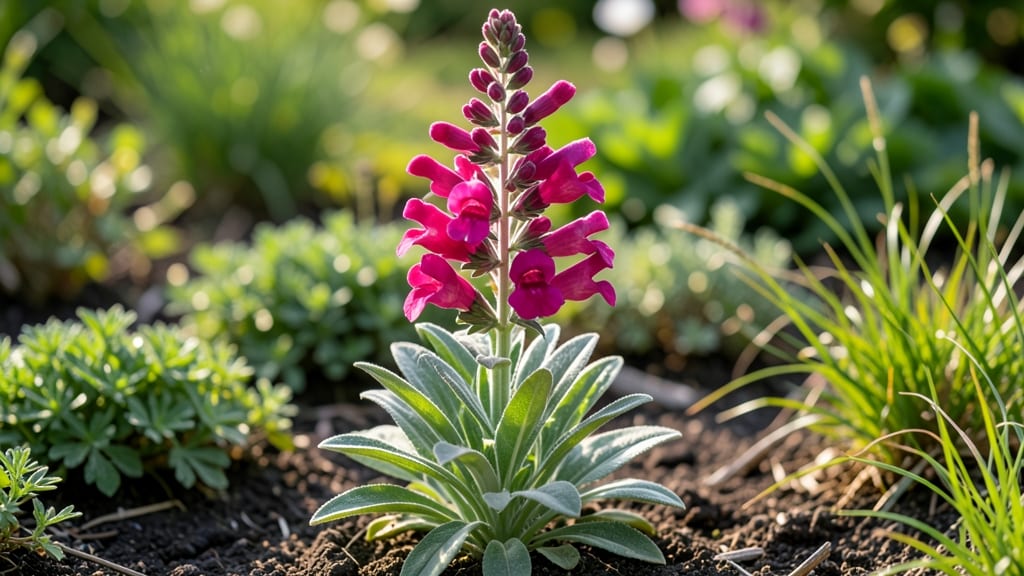
Snapdragon flowers bloom in 60 to 90 days after planting, but the exact time depends on your variety and climate — and getting it right means the difference between a summer garden bursting with 🌸 and a season of disappointment.
Picture this: you’ve just tucked those tiny seeds into the soil, dreaming of vibrant spikes of color by summer. But if you’re in Zone 6a or beyond, timing is everything.
Plant too early, and frost steals your blooms. Too late, and you miss the prime window for those long-lasting flowers.
Here’s the secret: annual snapdragons like ‘Rocket’ can burst into bloom in just 60 days, while taller varieties like ‘Black Knight’ take closer to 90 days.
Perennials? They play by their own rules entirely. I’ll break down how to predict your first blooms based on what you’re growing and where you live.
Plus, I’ll share the three simple care tricks that can shave weeks off your wait — whether it’s adjusting sunlight, deadheading like a pro, or feeding at the right time. Let’s make sure your snapdragons don’t just bloom… they thrive.
Snapdragon bloom time by variety: fastest to slowest flowering types
If you're eager to see your snapdragon blooms transform your garden, timing is everything. The bloom time for snapdragons can vary wildly—from 60 days for speedy varieties to over 120 days for slower-growing types.
Understanding these differences helps you plan for a continuous summer-long display or strategize for cut flower arrangements at the perfect moment.
Annual snapdragons dominate the garden scene, but even within this category, height and growth habit play a surprising role in bloom timing. Dwarf varieties like 'Matrix' often flower faster than their towering 'Black Knight' cousins, while trailing types like 'Tumbling Waters' may take longer to establish but reward you with cascading color.
Let's break down the fastest to slowest bloomers so you can pick the perfect snapdragons for your garden timeline.
| Variety | Type | Height | Bloom Time (Days) | Best For |
|---|---|---|---|---|
| 'Rocket Mix' | Annual | 24-36" | 60-65 | Cut flowers, borders |
| 'Matrix' Series | Annual (Dwarf) | 8-12" | 65-70 | Containers, window boxes |
| 'Tumbling Waters' | Annual (Trailing) | 12-18" | 70-75 | Hanging baskets, cascades |
| 'Black Knight' | Annual | 36-48" | 75-80 | Back of borders, focal points |
| 'Cupcake' Series | Annual (Dwarf) | 6-10" | 80-85 | Rock gardens, fairy gardens |
| 'Peach Blossom' | Perennial | 24-36" | 90-100 | Perennial borders, cottage gardens |
| 'Giant Imperial' | Annual | 48-60" | 100-120 | Cut flower production |
The 'Rocket Mix' variety is my go-to for gardeners who can't wait to see color. These tall annual snapdragons burst into bloom in just 60-65 days, making them perfect for early summer displays.
Their 24-36 inch height also makes them ideal for cut flower arrangements—just snip the stems and enjoy fresh blooms indoors for up to a week.
For container gardening, the 'Matrix' series is a game-changer. These dwarf snapdragons reach only 8-12 inches tall but deliver vibrant blooms in 65-70 days. Their compact size makes them perfect for window boxes and balcony gardens where space is limited.
Plus, their early bloom time ensures you get color when other plants are still establishing.
If you love trailing plants, the 'Tumbling Waters' variety is a stunning choice. While it takes slightly longer to flower (70-75 days), its cascading habit creates a dramatic effect in hanging baskets.
The trade-off in bloom time is worth it for the unique garden texture it adds—just be patient and provide support for those 12-18 inch stems.
Taller varieties like 'Black Knight' take a bit more patience, with blooms arriving in 75-80 days. These giant snapdragons reach 36-48 inches, making them perfect for the back of borders or as a focal point in your garden.
Their dramatic height also makes them excellent for dried flower arrangements—simply harvest when blooms fade and let them dry for winter decor.
For perennial snapdragons, the 'Peach Blossom' variety offers a longer-term investment. While it takes 90-100 days to flower, it rewards you with multi-season blooms and the ability to return year after year.
These 24-36 inch plants thrive in cottage gardens and perennial borders, adding a touch of old-world charm
How USDA hardiness zones affect snapdragon bloom timing (and how to adjust)
Your USDA hardiness zone plays a critical role in determining when your snapdragons will bloom. Northern zones (3-6) experience cooler springs that delay flowering, while southern zones (7-10) often see earlier, longer bloom seasons.
Even within the same zone, microclimates can shift bloom timing by 2-4 weeks, so knowing your exact conditions is key to planning.
Snapdragons are frost-sensitive when young, but most varieties tolerate light frosts once established. Zone 3 gardeners should start seeds indoors 8-10 weeks before last frost, while Zone 10 growers can direct-sow year-round in mild climates.
The difference in bloom timing between zones can be as dramatic as 60 days—meaning a June first bloom in Zone 9 vs. August in Zone 5.
In northern climates (Zones 3-6), I recommend planting early-flowering varieties like 'Rocket' or 'Triumph' to maximize your bloom window. These varieties typically flower in 60-70 days, giving you a head start before fall frosts.
For Zone 5 gardeners, stagger plantings every 3 weeks to create a continuous display from July through September.
Southern gardeners in Zones 7-10 have the advantage of year-round growing potential. Here, I suggest planting heat-tolerant varieties like 'Matrix' or 'Black Knight' that thrive in warmer conditions.
In Zone 9, you can even extend blooms into November by providing afternoon shade during peak summer heat. The key is consistent moisture—snapdragons wilt quickly in dry soil.
For all zones, deadheading spent blooms is essential to encourage second flushes. In cooler climates, this can extend your display by 4-6 weeks. Pair this with light fertilizer applications every 4 weeks during the growing season to keep plants vigorous.
Remember, snapdragons are self-cleaning—they naturally drop old blooms, but pinching back stems after flowering can stimulate new growth.
If you're in Zone 4 or colder, consider treating snapdragons as annuals and starting seeds indoors in March. For Zone 10+ gardeners, you can grow them as perennials with minimal winter protection.
The secret to success? Know your last frost date and plant accordingly—this simple step can shift your bloom timing by weeks.