
Blooming
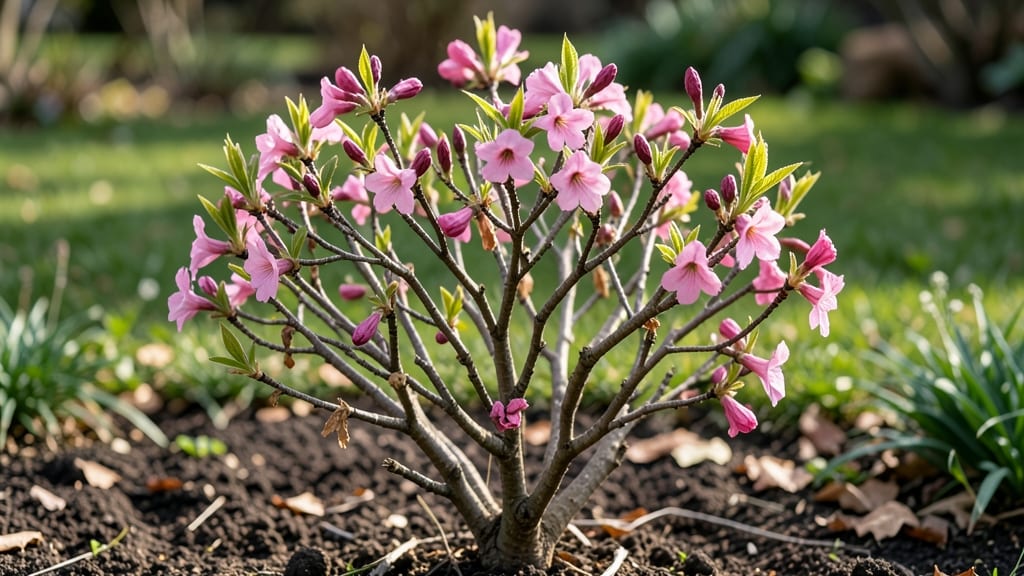
Sonic Bloom Pink Weigela can survive winter with the right care: trim dead growth in late winter, add thick mulch around the base, and protect from strong winds. Limit watering when the ground is frozen to avoid rot while keeping roots hydrated for spring blooms.
Winter care for Sonic Bloom Pink Weigela isn't just about survival—it sets the stage for next year's vibrant blooms. 🌸 This variety thrives in USDA zones 4-9 because it enters dormancy when temperatures drop, conserving energy until spring.
The key is timing: pruning too early can remove buds forming for next season, while mulching with 3-4 inches of organic material (like straw or shredded leaves) insulates roots from freeze-thaw cycles. Urban gardeners can use burlap windbreaks to prevent desiccation from cold winds, which dry out tender stems.
What many growers miss is that winter is also the time to scout for pests. Scale insects often hide under dead leaves, and removing them now prevents spring infestations.
I've found that a light application of horticultural oil in late winter—when temps stay above 40°F—keeps these pests at bay without harming the plant. The goal is to wake up your Weigela in spring with strong roots and minimal stress, ready to burst into those signature pink blooms.
💡 In This Article
- How Cold Temperatures Affect Sonic Bloom Pink Weigela
- Winter Protection Tips for Pink Weigela Blooms
How cold temperatures affect Sonic Bloom Pink Weigela
Sonic Bloom Pink Weigela enters dormancy when temperatures drop below 40°F, a natural survival mechanism that slows metabolic processes to conserve energy. This deciduous shrub is cold-hardy in USDA zones 4-9, meaning it can withstand winter lows down to -30°F with proper care.
The plant’s ability to survive these temperatures comes from its thick bark and deep root system, which act like insulation. However, extreme cold combined with wind can cause desiccation, where moisture evaporates from stems faster than the plant can replenish it.
The timing of winter dormancy is critical for reblooming in spring. Weigela requires 600-900 chilling hours (temperatures between 32-45°F) to break dormancy and trigger flower buds. If winter is too mild, the plant may not get enough chilling hours, leading to sparse blooms.
Frost also affects buds differently than foliage—new flower buds form on last year’s growth, so protecting these stems is vital. A hard freeze (28°F) can damage tender foliage but usually doesn’t kill the plant, as it’s designed to regrow from dormant buds.
Pruning too early in winter can remove these critical flower buds before they’ve formed. The ideal time is late winter, just before new growth begins. This typically falls between February and early March in most regions, when temperatures are consistently above freezing.
Removing dead or crossing branches improves airflow, reducing the risk of fungal diseases like powdery mildew that thrive in damp, cold conditions. The plant’s ability to regenerate from its root system means even pruned stems can sprout new growth in spring.
Wind is another winter challenge, as it accelerates moisture loss from stems. In exposed areas, windbreaks made from burlap or evergreen branches can reduce wind speed by up to 50%, protecting tender stems.
Mulching also plays a role—organic mulches like straw or shredded leaves break down slowly, releasing nutrients and insulating roots from temperature fluctuations. Without this protection, roots can experience freeze-thaw cycles that disrupt their structure, leading to poor spring growth.
What’s fascinating is how Weigela’s growth cycle adapts to climate. In colder zones (like 4-5), the plant may enter dormancy earlier and stay dormant longer, while in warmer zones (like 8-9), it might have a shorter dormancy period.
This adaptability is why Sonic Bloom Pink Weigela is a favorite in diverse climates—it balances hardiness with the ability to produce 2-3 inches wide, trumpet-shaped blooms that attract pollinators. Understanding these cold responses helps gardeners time their care precisely for maximum spring performance.