
Blooming
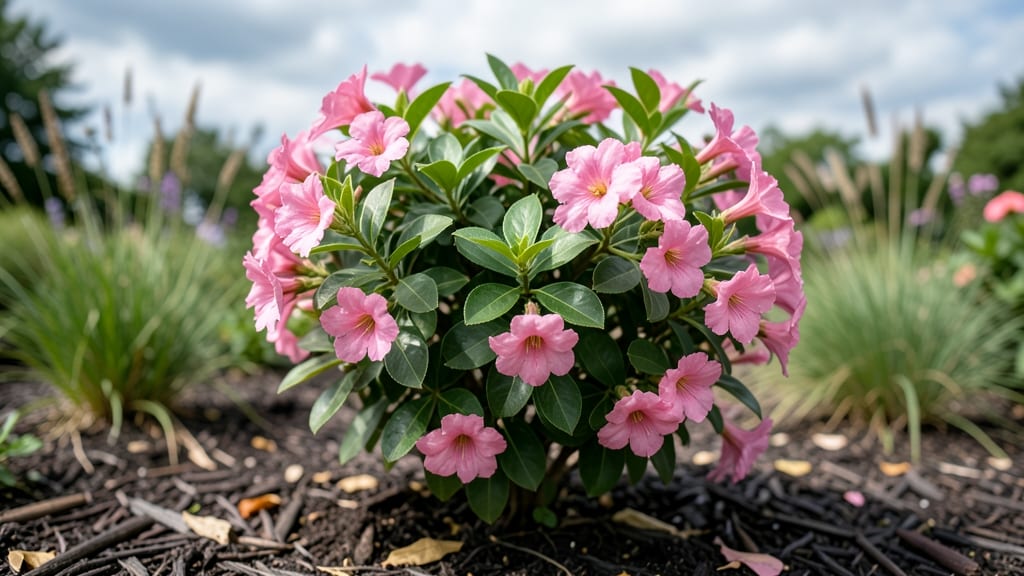
This Sonic Bloom Pink Weigela shrub will turn your garden into a nonstop pink spectacle—reblooming all season long with minimal fuss. 🌸 I planted mine last spring, and by summer, it was covered in trumpet-shaped blooms that lasted until frost, then burst back in spring with fresh new growth.
The secret? It thrives on neglect but rewards good care with vibrant, drought-resistant color that outshines most shrubs.
Start with well-draining soil and full sun to six hours of light daily—it handles heat and humidity like a champ. Water deeply once established, but don’t drown it; these shrubs store moisture like pros.
A light feeding with balanced fertilizer in early spring keeps the blooms coming, and they’ll reward you with three-season color that even deer usually ignore. The foliage stays lush, too, turning a soft green that contrasts perfectly with the pink.
Pruning is where the magic happens—cut back one-third of last year’s growth right after blooming to encourage fresh, bushier stems for next season. Deadhead spent flowers to keep it tidy, and watch as new buds form within weeks.
By late summer, you’ll have a second flush of blooms that lasts until fall’s first chill. It’s the kind of shrub that makes neighbors ask, “What’s that?”—then beg for cuttings.
Works in zones 4-8, handles urban pollution, and even tolerates salt spray near coasts. Plant it as a focal point, hedge, or container specimen—it’s that versatile. The only downside? You’ll want three of them before you know it.
📚 In This Guide
- What you need
- Instructions
- Tips and common mistakes
- Wrapping up and next steps
What you need
- ● Sonic Bloom Pink Weigela Shrub – 1 container-grown (1-gallon or larger) or 1 bare-root plant (check local nurseries or online retailers).
- ● Garden gloves – 1 pair (to protect your hands from thorns and soil).
- ● Trowel or shovel – 1 medium-sized (for digging holes).
- ● Pruning shears – 1 pair (for trimming dead branches or shaping).
- ● Compost or well-aged manure – 2–3 gallons (to enrich the soil).
- ● Mulch (pine bark or shredded leaves) – 2–3 cubic feet (to retain moisture and suppress weeds).
- ● Watering can or hose with a gentle spray nozzle – For thorough hydration.
- ○ Balanced fertilizer (10-10-10 or similar) – 1 small bag (optional but recommended for first planting).
- ● Soil pH tester – To ensure your soil is slightly acidic to neutral (6.0–7.0).
- ● Slow-release fertilizer spikes – For long-term nourishment.
- ● Plant support stake (if needed) – For young or top-heavy plants.
- ● Drip irrigation system – For consistent moisture in drought-prone areas.
- ● Epsom salt (magnesium sulfate) – A handful (boosts pink bloom intensity!).
Step-by-Step guide to planting and caring for sonic bloom pink Weigela
This hardy, drought-loving shrub thrives with minimal fuss once you nail these key steps.
🌱 Step 1: Choose the Perfect Planting Location
Pick a spot with full sun to partial shade—at least 6 hours of sunlight daily ensures those pink blooms burst forth. Weigela tolerates heat and humidity, but morning sun with afternoon shade works best in hotter climates. Avoid low-lying areas where cold air pools in winter, as this shrub needs USDA zones 4-8 protection.
Test your spot by observing how sunlight moves across it throughout the day. If nearby plants show signs of stress (yellowing leaves, stunted growth), your location might be too shady. The ideal site gives you vibrant blooms from late spring through fall—sometimes even into winter in mild climates.
☀️ Step 2: Prepare the Soil and Plant
Weigela loves well-draining soil but isn’t picky about pH. Mix 2-3 inches of compost into the top 12 inches of native soil to improve fertility without suffocating roots. Amend heavy clay by adding sand or perlite—this shrub hates soggy feet.
Dig a hole twice as wide as the root ball but only as deep. Place the plant so the top of the root ball sits 1 inch above ground level—this prevents rot during heavy rains. Gently backfill with native soil, tapping down lightly to remove air pockets. Water deeply right after planting to settle the soil around roots.
💧 Step 3: Water and Mulch for First-Year Establishment
Keep soil evenly moist but not soggy for the first 6-8 weeks—water when the top 2 inches feel dry. Weigela’s drought resistance kicks in after its first year, but young plants need consistent moisture to establish roots. Avoid overhead watering, which can spread fungal diseases.
Apply 2-3 inches of mulch (wood chips or shredded bark) around the base, keeping it 3 inches away from the trunk. This conserves moisture, regulates soil temperature, and suppresses weeds. Replenish mulch annually as it breaks down—never let it pile up against the stem, which can cause rot.
✂️ Step 4: Prune for Health and More Blooms
Prune right after flowering (late summer) to encourage next year’s blooms. Remove 1/3 of the oldest stems at ground level—this rejuvenates growth and prevents the center from getting woody. Cut back any dead, damaged, or crossing branches first, then shape lightly for a natural look.
Never prune in fall or winter—you’ll cut off next year’s flower buds. Use clean, sharp pruners to make 45-degree cuts just above a leaf node. If your weigela gets leggy, you can do a light trim in early spring to shape, but avoid heavy pruning then.
🌿 Step 5: Feed and Maintain Year-Round
Apply a balanced, slow-release fertilizer (10-10-10) in early spring when new growth appears. Weigela doesn’t need heavy feeding—over-fertilizing leads to lush foliage but fewer blooms. A light top-dressing of compost in fall provides winter nutrition without burning roots.
Monitor for pests like spider mites or aphids—spray with water or insecticidal soap if you spot them. This shrub rarely gets diseases, but powdery mildew can appear in humid climates. Improve airflow by pruning back crowded branches and avoid overhead watering to prevent fungal issues.
Tips & tricks for perfect sonic bloom pink Weigela planting
Here's what nobody tells you about getting that vibrant pink bloom—these little details make all the difference.
Sunlight Secret: Those 6 hours of sunlight in Step 1 are non-negotiable for the best blooms, but here's the thing: morning sun with afternoon shade works best in hot climates. I've seen plants in full afternoon sun get scorched leaves while still blooming—just not as vibrantly. If you're in a hot zone, prioritize that morning light.
Soil Prep Pro Tip: When amending your soil with 2-3 inches of compost in Step 2, don't just mix it in superficially. Work it down to the 12-inch depth—this creates a proper root zone. I use a garden fork to loosen the soil first, then mix in compost. This helps prevent waterlogging while giving roots plenty of nutrients to reach down deep.
Watering Wisdom: The 6-8 week watering window in Step 3 is critical, but don't rely on a calendar—check the soil! Stick your finger 2 inches deep; if it feels dry, that's your cue. I've learned the hard way that setting a timer can lead to overwatering. Early morning is the best time to water, as it gives leaves time to dry before evening.
Pruning Precision: When you remove 1/3 of the oldest stems in Step 4, focus on the thickest, woodiest branches first. These are the ones that won't produce as many flowers anyway. I mark them with a ribbon before cutting—it helps visualize which stems I'm removing. And always sterilize your pruners between cuts to prevent spreading disease.
Pro Tips for Sonic Bloom Pink Weigela Shrub
- Here's what nobody tells you about getting that vibrant pink bloom—these little details make all the difference.
- Sunlight Secret: Those 6 hours of sunlight in Step 1 are non-negotiable for the best blooms, but here's the thing: mo...
- Soil Prep Pro Tip: When amending your soil with 2-3 inches of compost in Step 2, don't just mix it in superficially. ...
Frequently asked questions
How fast does the Sonic Bloom Pink Weigela grow?
The Sonic Bloom Pink Weigela is a fast grower, typically adding 12–18 inches per year under ideal conditions. With proper care, it can reach its mature height of 3–5 feet in just 2–3 years. Prune lightly after flowering to encourage bushier growth and more blooms!
When is the best time to plant or transplant it?
Plant your Sonic Bloom Pink Weigela in early spring or early fall when temperatures are mild. Avoid extreme heat or frost, which can stress the shrub. If transplanting an established plant, water it deeply 1–2 weeks before moving to reduce shock.
How drought-tolerant is this Weigela, really?
While the Sonic Bloom Pink Weigela is drought-resistant once established, it still needs regular watering for the first year to help roots grow deep. During dry spells, water deeply once a week (1–1.5 inches) rather than frequent shallow watering. Mulch helps retain moisture!
What if my Weigela isn’t blooming as much as expected?
Less blooming often means over-pruning or poor nutrition. Prune only after flowering to avoid cutting off next year’s buds. Feed with a balanced fertilizer (10-10-10) in early spring and ensure it gets 6+ hours of sun daily. Yellow leaves? It may need more iron.
Are there similar shrubs for less sun or colder climates?
If your zone is Zone 4–5 or you need shade-tolerant options, try:
- Weigela ‘Wine & Roses’ – Pink blooms, slightly more cold-hardy.
- Abelia ‘Kaleidoscope’ – White/pink flowers, thrives in partial shade.
- Diervilla ‘Cote d’Azur’ – Purple-pink blooms, Zone 4-hardy.
Wrapping up and next steps
The Sonic Bloom Pink Weigela isn’t just a shrub—it’s a showstopper that brings joy with minimal effort! Its drought-resistant charm, reblooming magic, and year-round color make it the perfect addition to any garden.
Whether you’re a seasoned gardener or just starting out, this plant delivers low-maintenance beauty that brightens up your outdoor space effortlessly.
Ready to transform your garden? Plant one today and watch your landscape bloom with vibrant pink perfection! 🌸 For extra inspiration, browse local nurseries or check out Weigela care guides to get started.