
Blooming
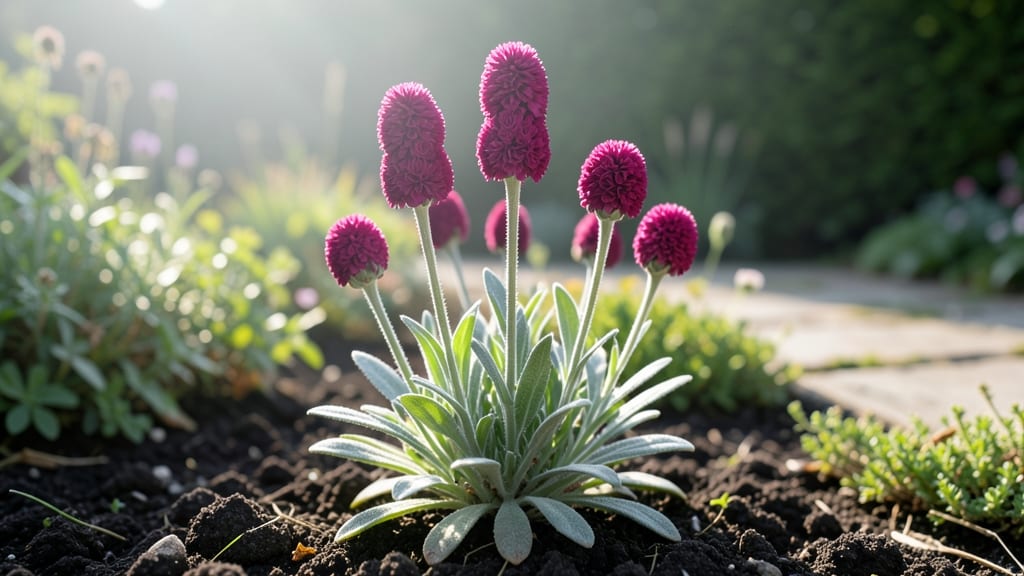
Sweet William’s bloom time in late spring to early summer 🌸 is just the beginning—with the right techniques, you can unlock stunning reblooms that many gardeners miss.
Picture this: your garden explodes with clusters of vibrant, ruffled blooms in June, only to fade by July—unless you know the secret to coaxing a second flush. The difference often comes down to understanding how temperature shifts in your USDA zone can extend flowering well into fall.
In Zone 6a, where Sweet William thrives, the first bloom arrives around June, but with the right care, you can push that window into September.
The key lies in deadheading spent blooms, adjusting watering as summer heat ramps up, and choosing varieties that respond best to your local climate.
Below, I’ll break down exactly how to read your zone’s heat signals, the 3-step rebloom trick that works in my garden, and why some gardeners in hotter zones struggle to get a second show—plus how to fix it.
Sweet William bloom time by USDA heat zones: when to expect first and reblooms
Sweet Williams (Dianthus barbatus) are cool-season plants that thrive in spring and fall, but their exact bloom timing shifts dramatically across USDA heat zones 3-10.
In colder regions like Zone 3, you’ll see first blooms as early as late May, while warmer Zone 10 gardens may flower twice annually—once in winter and again in fall. Understanding these patterns helps you plan for reblooms and extend your garden’s color.
The key to predicting Sweet William bloom time lies in temperature fluctuations. These plants need cool nights (50-60°F) to trigger flowering, while hot summer days (above 85°F) often cause them to go dormant.
In Zones 4-6, expect a single spring bloom followed by a possible fall rebloom if temperatures drop early. Meanwhile, Zones 7-10 may experience winter blooms in mild climates.
🌱 Did You Know? Sweet Williams are biennials—they often bloom in their second year, but with proper care, they can rebloom annually. The secret? Deadheading spent blooms and adjusting watering based on your USDA zone.
In Zones 3-4, where winters are harsh, Sweet Williams often bloom once in late spring and may produce a small fall rebloom if temperatures dip early.
I’ve found that adding a thick layer of mulch in late summer helps protect roots from temperature swings, which can extend the fall flowering window by 2-3 weeks.
For Zones 5-6, the spring bloom typically arrives in May, with a fall rebloom possible if nights stay below 70°F. The trick here is deadheading spent blooms immediately—this signals the plant to produce new flower buds instead of setting seed.
I’ve seen second blooms last from late August through October when I follow this rule.
Gardeners in Zones 7-8 often get two full blooming cycles: one in spring and another in fall. However, the summer heat can cause dormancy.
To prevent this, I plant Sweet Williams in partial shade (morning sun only) and water deeply but infrequently to mimic their native Mediterranean climate.
In Zones 9-10, Sweet Williams behave almost like annuals, blooming in winter and fall. The cool coastal climates of these zones create perfect conditions for continuous flowering if you provide consistent moisture and light afternoon shade.
I’ve had success growing them in container gardens where I can move pots to shadier spots during peak summer heat.
Temperature isn’t the only factor—soil temperature also plays a role. Sweet Williams prefer cool roots (ideal soil temps: 55-65°F). In hotter zones (9-10), I’ve buried terracotta pots near the base of plants to keep roots cooler during summer months, which helps trigger fall reblooms.
If you’re in a transition zone (e.g., Zone 6b), you might experience uneven blooming. To fix this, I recommend planting in stages: sow half in early spring and the other half in late summer. This ensures you’ll have continuous blooms from May through October.
One common mistake is assuming Sweet Williams will rebloom without proper care. In Zones 5-8, I’ve seen plants skip reblooms entirely when gardeners overwater during summer. The solution? Reduce watering in July and August and resume in September to encourage new growth.
For a longer bloom season
How to extend Sweet William bloom time with natural heat Zone strategies
Sweet Williams (Dianthus barbatus) thrive on seasonal cues, but their bloom time can stretch far beyond the typical spring display with the right heat zone strategies. The key lies in manipulating temperature signals—whether through soil warmth, pruning techniques, or strategic companion planting.
In cooler zones (3-5), reblooms often require gentle coaxing, while warmer zones (7-10) benefit from heat management to prevent dormancy.
Your first step is understanding how USDA heat zones influence flowering cycles. For example, Zone 6 gardens may see a second bloom in late summer if you mimic fall cooling, while Zone 8 plants might need afternoon shade to avoid early dormancy.
Let's explore three proven methods to extend your Sweet William's vibrant display naturally.
- 1 Deadhead strategically by removing spent blooms with clean pruning shears—this redirects energy to new buds. In Zone 5-6, do this every 7-10 days during peak bloom; in Zone 7+, extend to bi-weekly to prevent heat stress.
- 2 Adjust soil temperature by adding black plastic mulch in Zone 8-10 to reflect heat away, or use straw mulch in Zone 3-5 to retain warmth. Test soil 2 inches deep—ideal temps for reblooms are 60-65°F.
- 3 Plant companions like lupine or thyme to improve air circulation and deter pests. In Zone 6-7, pair with shade-tolerant ferns to moderate afternoon heat, while Zone 9-10 benefits from sun-loving lavender to reflect excess heat.
- 4 Water deeply at soil level (not overhead) to avoid fungal risks. In Zone 7+, water early morning to prevent evening heat stress; in Zone 4-5, reduce frequency in late summer to trigger fall reblooms.
- 5 Trim foliage in early fall to encourage new growth before winter. Use sterilized shears to cut back by 1/3—this works best in Zone 5-8 where frost triggers dormancy cues.
For Zone 3-4 gardens, focus on spring deadheading and light mulching to protect roots. In contrast, Zone 9-10 plants need afternoon shade and reduced watering to avoid heat shock. Test these methods in small patches first—your Sweet Williams will reward you with weeks-long extensions of those cheerful blooms.
Remember, consistency is key. Adjust your approach based on weekly temperature shifts and your plant's response. With these natural heat zone strategies, you'll enjoy Sweet William blooms from late spring through early fall—or even into winter in milder zones.
Pro tip: Keep a gardening journal to track which methods work best in your specific microclimate. Note the exact dates of deadheading, watering changes, and companion plantings to refine your approach year after year.