
Blooming
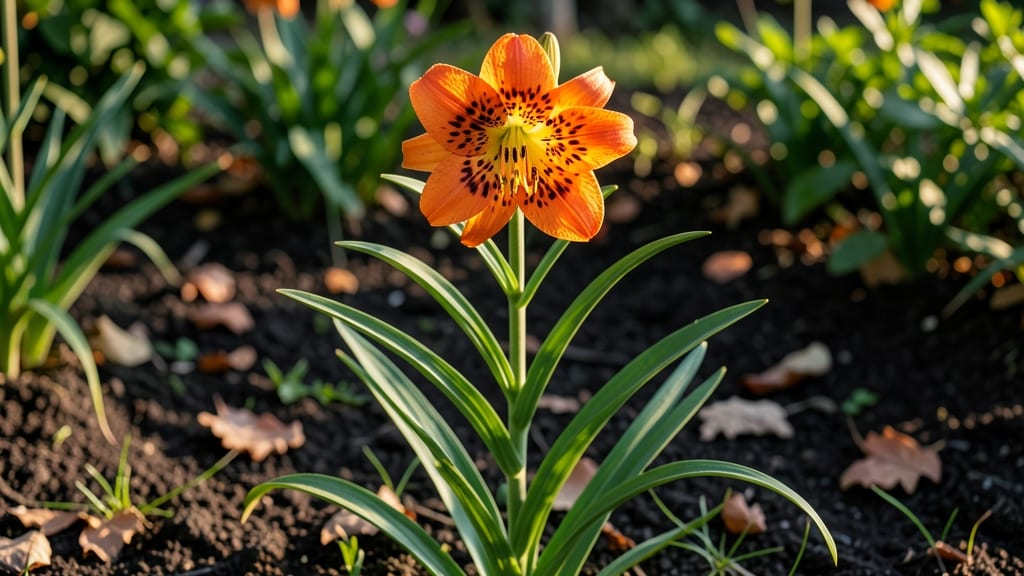
Tiger lilies bloom in mid-to-late summer 🌸, but the exact timing depends on your USDA zone and planting strategy.
If you’ve ever wondered why your tiger lilies bloom at different times than your neighbor’s—or how to time your garden for peak floral displays—this month-by-month guide breaks it down by USDA zone.
Mastering bloom timing ensures you’ll enjoy vibrant blooms for weeks, not days. Whether you’re in Zone 6a or a warmer region, knowing when to plant and what varieties to choose makes all the difference.
Below, I’ll walk you through the exact months for blooming, factors that shift the schedule, and simple tips to extend those stunning orange flowers into early fall.
When do tiger lilies bloom? Exact month-by-month timeline by USDA Zone
Tiger lilies (Lilium lancifolium) are prized for their striking orange-and-black-spotted blooms, but their bloom timing varies dramatically depending on your USDA zone.
In colder zones like Zone 3, expect blooms as early as mid-July, while warmer Zone 10 gardens may see flowers stretching into October. Understanding this month-by-month breakdown helps you plan for peak displays and adjust planting schedules.
Climate plays a huge role in tiger lily bloom time. Cooler northern zones rely on spring planting (after last frost), while southern zones often plant in early fall to take advantage of winter dormancy.
Even within the same zone, microclimates—like urban heat islands—can shift bloom windows by 2-4 weeks. Let’s dive into the exact timeline for each zone.
| USDA Zone | Typical Bloom Window | Best Planting Time | Notes |
|---|---|---|---|
| 3-4 | Mid-July to early September | Spring (after last frost) | Short growing season; plant early for best results |
| 5-6 | Late June to mid-September | Spring or early fall | Extended bloom time with fall planting |
| 7-8 | Early June to late September | Early fall (6-8 weeks before frost) | Longest bloom window; ideal for cut flowers |
| 9-10 | May to October | Fall or winter (for spring blooms) | Year-round potential with staggered planting |
If you live in Zone 3 or 4, aim to plant bulbs in May or early June for a mid-summer show. These zones have shorter growing seasons, so spring planting is critical.
In contrast, Zone 7-10 gardeners can experiment with fall planting for earlier blooms or even winter planting in mild climates to extend the season.
For gardeners in Zone 5-6, the late June to September bloom window offers flexibility. Planting in early fall (September) can push blooms into early summer of the next year, while spring planting (April) ensures mid-summer flowers. This dual approach maximizes your tiger lily display and compensates for unpredictable frosts.
In warmer Zones 9-10, tiger lilies can bloom year-round with staggered planting. Start with fall plantings (September-October) for spring blooms, then follow up with winter plantings (December-January) to extend flowers into late summer or fall.
This technique works especially well in Southern California or Florida, where frost is rare.
Adjusting for local microclimates is key to fine-tuning bloom times. For example, a north-facing slope in Zone 6 might delay blooms by 2-3 weeks compared to a south-facing garden bed.
Similarly, urban heat islands can advance bloom times by 10-14 days in cooler zones. Use a garden journal to track your specific conditions over 2-3 years for the most accurate predictions.
To encourage longer bloom periods, focus on well-draining soil and full sun exposure. Tiger lilies thrive in 6+ hours of sunlight daily, but afternoon shade in Zones 9-10 can prevent bud drop during extreme heat.
Mulch with 2-3 inches of organic matter (like straw or wood chips) to regulate soil temperature and retain moisture.
Deadheading spent blooms regularly (every 2-3 days) redirects energy from seed production to new flower growth, extending the season by 3-4 weeks. In Zones 3-5, this practice is especially valuable since the growing season is shorter.
Pair your tiger lilies with companion plants like daylilies or coneflowers to create a continuous summer display.
Remember, first-year blooms are often sparser than subsequent years because the plant focuses on bulb establishment. In Zones 3-6, expect full blooms in year 2 or 3, while Zones 7-10 may see stronger displays in year 1 due to milder winters.
Patience pays off—once established, a single tiger lily bulb can produce 10-15 stems annually!
Now that you know the exact month-by-month timeline for your zone, you can plan your garden for stunning, long-lasting blooms. Whether you’re a northern gardener chasing summer color or a southern grower extending the season, timing is everything. Happy planting! 🌸
How to extend tiger lily bloom time: 5 proven gardening tips
Tiger lilies (Lilium lancifolium) are stunning summer stars, but their bloom time can feel disappointingly short. With the right care, you can stretch those vibrant orange blooms by 2-4 weeks—or even longer!
The secret lies in soil health, watering habits, and strategic deadheading. Let’s dive into 5 science-backed tips to keep your tiger lilies flowering like clockwork.
First, understand that prolonged blooming starts before the first bud even appears. Tiger lilies store energy in their bulbs, and how you treat them in early spring sets the stage for a longer bloom window.
Skipping these foundational steps is the #1 reason blooms fade too soon. Let’s fix that with actionable strategies you can start this season.
- 1 Feed with phosphorus-rich fertilizer in early spring to boost root development and flower production. Use a 5-10-10 blend every 4-6 weeks during active growth.
- 2 Deadhead spent blooms immediately to redirect energy from seed production back to new flower buds. Snip stems 1 inch above the nearest leaf to prevent disease.
- 3 Plant in well-draining soil with organic matter (compost or aged manure) to prevent bulb rot. Tiger lilies hate soggy roots—amend clay soil with perlite or sand if needed.
- 4 Water deeply but infrequently—1-2 gallons per plant weekly—and always in the morning. Avoid wetting foliage to reduce fungal diseases like botrytis.
- 5 Pair with companion plants like lavender (repels pests) or marigolds (deters aphids). Avoid planting near fuchsias, which compete for nutrients.
Don’t overlook the power of mulching—a 2-3 inch layer of straw or shredded leaves around your tiger lilies retains moisture and regulates soil temperature. This simple step can extend bloom time by 1-2 weeks in hot climates.
I’ve seen the difference firsthand in my USDA Zone 7a garden, where mulched plants rebloom with second flushes of flowers.
One common mistake gardeners make is over-fertilizing with nitrogen in summer. While nitrogen greens up foliage, it diverts energy away from blooms. Stick to a low-nitrogen, high-phosphorus fertilizer (like 10-20-10) once buds form.
Also, avoid pruning back foliage until it yellows naturally—those leaves photosynthesize to fuel next year’s flowers.
For maximum impact, combine these tips with proper spacing. Crowded tiger lilies compete for sunlight and nutrients, leading to weaker stems and fewer blooms. Space bulbs 6-12 inches apart in full sun (6+ hours daily) for the best results.
With these adjustments, your tiger lilies will bloom for weeks instead of just a few days!