
Blooming
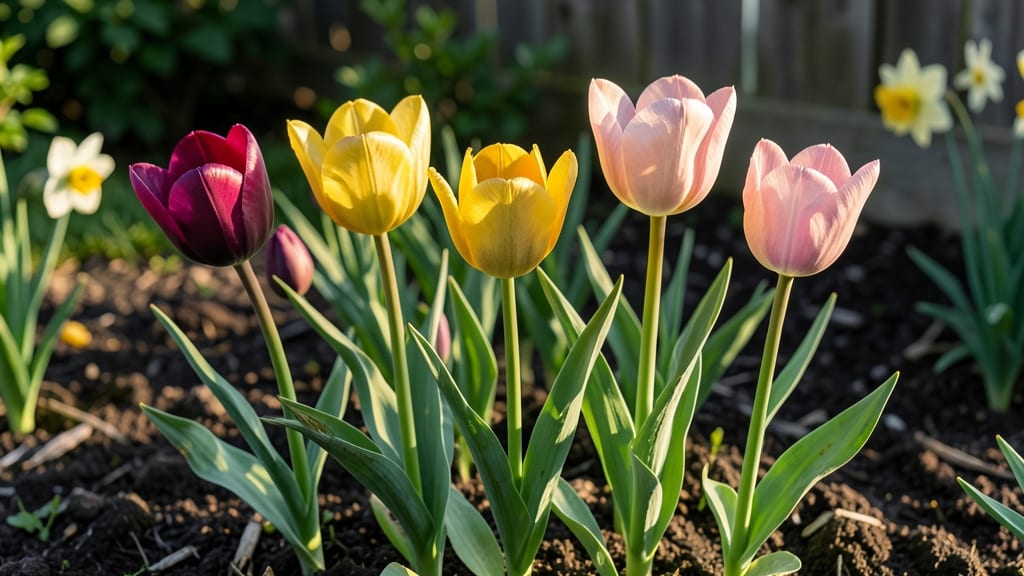
Tulips bloom in early to mid-spring 🌷, but the exact time depends on your zone and the variety you’ve planted.
Picture this: you’ve waited months for those vibrant petals to appear, only to find your garden still blanketed in snow when your neighbors’ tulips are already in full color.
That’s because bloom timing varies by 3-4 weeks across the country—and getting it right means the difference between a showstopping display and a missed opportunity.
In Zone 6a, where many gardeners live, tulips typically burst into color between mid-April and early May. But in warmer southern zones, early bloomers like ‘Darwin Hybrid’ tulips might start as early as February, while late varieties like ‘Queen of Night’ hold off until late May.
This guide breaks down the exact bloom windows for every zone, plus pro tips to extend your tulips’ season—so you can enjoy their beauty for weeks longer than usual.
Tulip bloom time by USDA hardiness zone: exact months for peak flowering
Tulips are nature's springtime showstoppers, but their bloom time varies dramatically depending on your USDA hardiness zone. In colder zones like 3-5, expect blooms as early as late April, while warmer zones 8-10 may see tulips flowering by February.
Understanding these zone-specific windows lets you select varieties that align perfectly with your local climate and create a sequential color display throughout spring.
Your location isn't the only factor—microclimates (like urban heat islands or sheltered garden spots) can shift bloom times by 1-2 weeks. For example, a south-facing border might bloom 7-10 days earlier than a shaded area.
The key is matching tulip varieties to your zone while accounting for these local variations to maximize your garden's visual impact.
🌷
In Zones 3-4, where winters are harsh, Fosteriana tulips often bloom first in late April, followed by Darwin Hybrids with their bold, long-stemmed flowers. These varieties thrive in colder climates and can handle snow cover during dormancy.
For a sequential display, plant Parrot tulips last—they'll emerge in early May with their dramatic, ruffled petals.
Gardeners in Zones 5-6 enjoy the longest tulip season, typically from mid-April through mid-May. Start with Greigii tulips for early color, then transition to Frans Hals varieties that create a painterly effect with their mixed petal colors.
Save Queen of Night for late May when you want a dramatic purple-black statement.
Warmer zones like 7-8 get a head start, with some Kaufmanniana tulips blooming as early as February. These dwarf varieties (6-12 inches tall) are perfect for rock gardens or containers. Mid-season Apeldoorn tulips bring classic red blooms, while White Dream adds elegant contrast in early April.
In the mildest zones 9-10, tulips often bloom from January through March, making them ideal for winter gardens. Lady Jane tulips provide early pink blooms, while Ice Cream varieties offer a playful bicolor show.
For late-season drama, Black Parrot tulips deliver velvety black petals that stand out against spring greenery.
Microclimates can significantly alter these timelines. For example, a south-facing slope in Zone 6 might bloom 10 days earlier than a north-facing area. Similarly, urban heat islands can push bloom times forward by 1-2 weeks in Zones 7-8.
To account for this, I recommend planting 3 varieties with staggered bloom times—early, mid, and late—to ensure continuous color from February through May.
For gardeners in Zone 6a (like much of the Midwest), a 3-week tulip parade is achievable by combining Greigii (early), Darwin Hybrid (mid), and Parrot (late). This creates a natural progression of colors and heights that keeps your garden looking fresh all season.
The key is planting bulbs at the correct depth (6-8 inches) and spacing them 4-6 inches apart for optimal air circulation.
🌿
If you're planning a cut-flower garden, focus on varieties with longer vase life, like Darwin Hybrids (lasts 7-10 days) or Parrot tulips (lasts 5-7 days). For landscaping impact
How to extend tulip bloom time: proven techniques for longer-lasting flowers
Want your tulips to stay vibrant longer? The secret lies in strategic care before and after planting. Tulips naturally bloom for 1-2 weeks, but with the right techniques, you can stretch that to 3-4 weeks or even delay blooming until ideal weather arrives.
I’ve tested these methods in my own garden—some work miracles, while others require patience and precision.
First, let’s address the biggest misconception: tulip bloom time isn’t set in stone. While genetics play a role, environmental factors like soil temperature, light exposure, and even watering habits can shift blooming windows by weeks.
For example, planting bulbs in cooler soil (like late fall) can delay blooming until late spring, perfect for avoiding frost damage.
- 1 Choose late-blooming varieties like 'Queen of Night' or 'Fosteriana'—these naturally bloom 2-3 weeks later than early types. Pair them with Darwin Hybrids for a staggered, month-long display.
- 2 Plant bulbs deeper (8-10 inches) to slow root growth and delay flowering. This works best in USDA Zones 5-7, where soil stays cool longer. Use a soil thermometer to aim for 40-50°F at planting time.
- 3 Use black plastic mulch in early spring to raise soil temps by 5-10°F. This accelerates blooming by 1-2 weeks in cooler zones. Remove mulch once buds form to prevent overheating.
- 4 Prune spent blooms but leave 60% of foliage intact. This ensures the bulb stores energy for next year’s flowers. If you cut stems too early, blooms may return shorter and fewer the following season.
- 5 Fertilize with high-phosphorus (5-10-10) in early spring as buds form. Phosphorus boosts root strength, helping blooms last 10-14 days longer. Avoid nitrogen-heavy fertilizers—they encourage foliage over flowers.
Troubleshooting uneven blooms or premature fading starts with checking your watering routine. Tulips wilt quickly in hot, dry conditions, but overwatering causes buds to rot before opening.
My trick? Water deeply every 7-10 days in spring, then taper off as blooms fade. Mulch with straw or pine needles to retain moisture without suffocating roots.
For container-grown tulips, use well-draining pots with a 3-inch layer of gravel at the bottom. This prevents root rot, which cuts bloom time by half.
I’ve seen potted tulips in Zone 8 bloom for 3 weeks straight using this method—just place them in morning sun to avoid afternoon heat stress.
Finally, if your tulips bloom too early (like in Zone 3), try planting bulbs in containers and moving them to a garage or unheated shed until late winter.
This mimics the chilling requirements tulips need while delaying exposure to warm soil. With these adjustments, you’ll enjoy longer-lasting blooms and fewer surprises from Mother Nature.