
Blooming
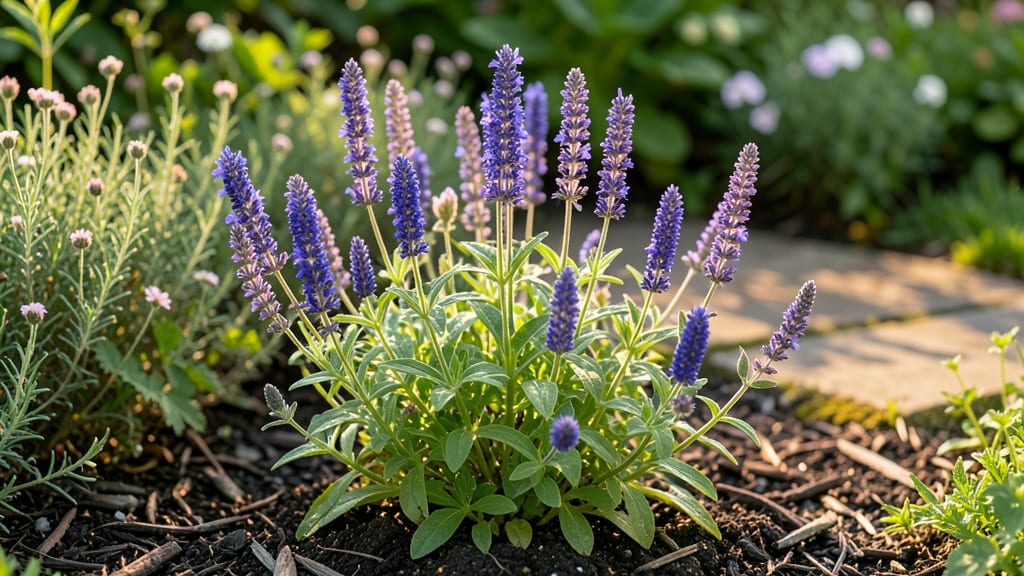
The Veronica bloom time is a game-changer for gardeners planning their spring color palette—those purple spikes arrive earlier than you might expect, especially in warmer zones.
Picture this: you’ve just tucked in your 🌸 Veronica plants in March or April, and by late May, they’re already throwing out their first vibrant blooms. But here’s the catch—where you live makes all the difference.
In Zone 6a, like where I garden, expect the first spikes by early June, while gardeners in Zone 8 might see them as early as April. Sunlight, soil, and even last year’s growth can shift that timeline by weeks.
Below, I’ll break down the exact months for your zone, plus 3 simple tricks to coax blooms earlier—or stretch them into July—so you’re not left waiting for color.
Veronica bloom time by USDA hardiness zone: month-by-month guide
If you're dreaming of those vibrant purple spikes that make Veronica a garden favorite, timing is everything. The exact bloom window shifts dramatically depending on your USDA hardiness zone—from early spring in warmer climates to late spring in colder regions.
Understanding these patterns helps you plan for maximum impact and even extend the flowering season with simple adjustments.
Most Veronica varieties, like the popular Veronica spicata and Veronica incana, follow predictable bloom cycles once you know your zone. In Zones 3-5, expect cooler-season blooms that start as early as late May, while Zones 6-10 often see first flowers by April or May.
Peak flowering typically lasts 4-6 weeks, but with the right care, you can stretch that into 8+ weeks of color.
Here’s the key: Veronica plants need consistent sunlight (4-6 hours daily) and well-draining soil to trigger blooming. In cooler zones (3-5), they often bloom later but produce hardier stems that withstand early frosts.
Meanwhile, warmer zones (7-10) can enjoy earlier and longer flowering periods, sometimes even into early fall.
🌸
For gardeners in Zones 3-5, the first purple spikes often appear in late May, marking the start of a 6-week peak bloom that peaks in June and July.
This timing aligns perfectly with late spring garden prep, making Veronica a low-maintenance way to add height and texture to borders or containers.
In my Zone 5 garden, I’ve found that Veronica spicata 'Sunny Border Blue' consistently blooms by early June, providing weeks of color before many annuals even think about flowering.
If you're in Zones 6-8, you’re in luck—earlier blooms start as soon as April or May, with peak flowering stretching into July. This extended window lets you layer Veronica with other perennials like catmint (Nepeta) or salvia for a continuous color show.
In Zone 7, I’ve noticed that Veronica incana often blooms 2-3 weeks earlier than Veronica spicata, making it a great choice for early-season interest.
Gardeners in Zones 9-10 enjoy the earliest and longest bloom times, with first spikes appearing in March or April and flowering lasting until June or even July. This makes Veronica a year-round performer when paired with late-season varieties.
For example, Veronica pectinata thrives in these zones and often reblooms in fall, adding bonus color when many other plants are winding down.
To encourage earlier blooms, start with healthy soil—Veronica loves sandy, well-draining mixes with a slightly alkaline pH (6.5-7.5). Amend your soil with compost or aged manure in early spring to give roots a nutrient boost.
I’ve also found that light pruning after the first flush of blooms can stimulate a second round of flowers in late summer, especially in warmer zones.
One pro tip: If you’re in a cooler zone (3-5) and want to push blooms earlier, try planting in a south-facing spot with reflective mulch (like white gravel) to increase warmth around the roots.
This simple trick can advance bloom time by 1-2 weeks without extra effort. Just be sure to water consistently—Veronica hates soggy soil and may bolt or fail to bloom if overwatered.
For extended blooming, deadhead faded spikes regularly to prevent seed formation and redirect energy into new flowers. I make it a habit to snip spent blooms every 2 weeks during peak season, and it’s amazing how quickly the plant responds with fresh purple spikes. In
How to extend Veronica bloom time with simple gardening hacks
Veronica plants reward gardeners with vibrant purple spikes that can last for weeks—but many gardeners miss out on extended blooming by overlooking a few key tricks. The secret to prolonged Veronica bloom time lies in a mix of pruning techniques, soil care, and strategic watering.
With these simple hacks, your Veronica spicata or Veronica longifolia can keep flowering from early summer through fall!
First, let’s tackle the most effective method: deadheading. This isn’t just about tidying up—it’s a growth signal to your plant. When you remove spent blooms, you encourage new flower buds to form, extending the blooming season by several weeks.
Pair this with light fertilizing every 4-6 weeks, and you’ll see a noticeable difference in flower production.
🌸 5 Proven Hacks to Extend Veronica Bloom Time
- Deadhead regularly: Snip off faded flower spikes at the base with clean pruning shears to prevent seed formation and encourage new blooms.
- Feed lightly: Use a balanced 10-10-10 fertilizer every 4-6 weeks during active growth (spring to early fall) to support continuous flowering.
- Water deeply: Provide 1 inch of water weekly, focusing on the root zone in the morning to reduce fungal risks and promote healthy growth.
- Mulch generously: Apply 2-3 inches of mulch (like shredded bark) to retain moisture and regulate soil temperature, which supports longer bloom periods.
- Plant companions: Pair Veronica with drought-tolerant perennials like lavender or catmint to share resources and reduce stress on your plants.
Don’t overlook the power of soil amendments. Veronica thrives in well-draining, slightly alkaline soil (pH 6.0-7.5). If your soil is heavy clay, mix in compost or perlite to improve aeration.
A slow-release fertilizer at planting time gives your Veronica a strong start, while organic matter like aged manure boosts nutrient availability for longer-lasting blooms.
Another game-changer is watering consistency. Veronica plants are drought-tolerant once established, but inconsistent moisture can cause early bloom fade. Water deeply once a week during dry spells, and always in the morning to allow foliage to dry before evening.
This simple habit prevents bacterial infections that can shorten the blooming season.
For a second flush of blooms in late summer, give your Veronica a light pruning after the first wave of flowers fades. Cut back 1/3 of the plant’s height to encourage new growth and renewed flowering.
This works especially well for Veronica spicata varieties, which respond beautifully to this technique.
With these simple yet effective hacks, your Veronica plants will reward you with months of vibrant color instead of just a few weeks. Start with deadheading and light feeding, then refine with soil and water adjustments.
Your garden will thank you with longer-lasting blooms and fewer gaps in the flowering season! 🌿