
Blooming
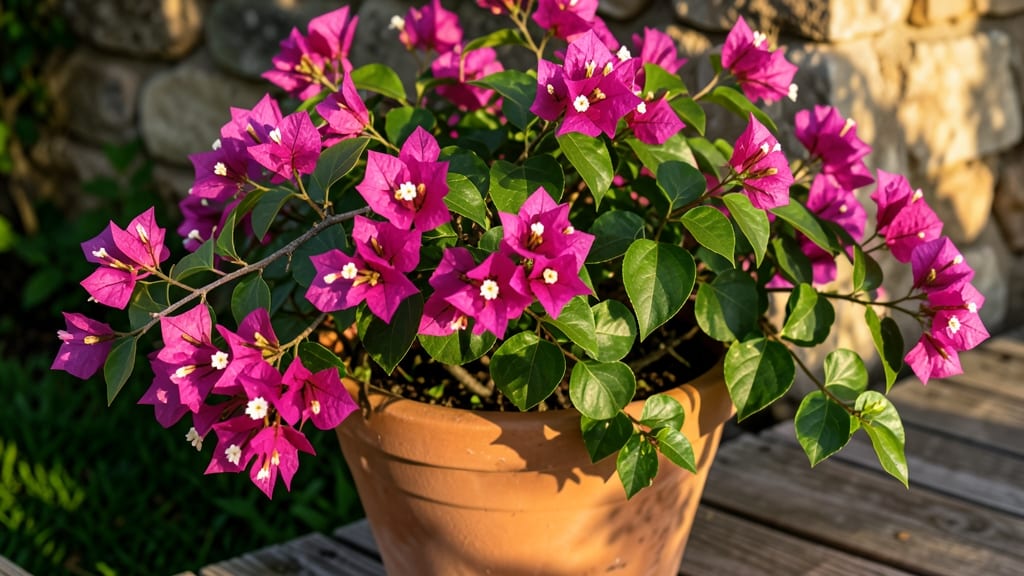
Bougainvillea blooms in Florida from March through November 🌸, with peak displays tied to your heat zone and variety—but timing isn’t just about the calendar.
If you’ve ever wondered why your bougainvillea’s vibrant bracts seem to vanish overnight—or when to expect their next stunning display—Florida’s unique climate holds the key. Timing your planting and care around these blooming windows can mean the difference between a year-round spectacle and a seasonal disappointment.
Most varieties in USDA zones 9a-11 kick off blooms in early spring, with a second flush in fall, while coastal areas like Miami often see earlier starts. Inland regions may delay until May, and summer heat can force a mid-year lull—unless you adjust your care routine.
Below, I’ll break down the exact months for popular varieties, how to read your plant’s signals, and the three simple tweaks that keep blooms coming all season long—no matter where in Florida you garden.
Bougainvillea blooming seasons in Florida by variety (exact months)
Florida’s warm climate lets bougainvillea bloom nearly year-round, but timing varies dramatically by variety and heat zone. In Zone 10A (Miami), expect vibrant displays from February through November, while Zone 8A (North Florida) sees shorter seasons from April to October.
Understanding these patterns helps you choose the right bougainvillea variety for your location and maximize blooms.
Most bougainvilleas thrive in Florida’s spring and fall, when temperatures hover between 70°F and 85°F. Heat above 95°F can stress plants, causing blooms to fade, while winter chills below 40°F may stunt growth.
Coastal areas like Fort Lauderdale often bloom 2–4 weeks earlier than inland cities like Orlando, thanks to milder winters and higher humidity.
Here’s how peak bloom months differ by popular bougainvillea varieties, with adjustments for Florida’s three main heat zones:
For early bloomers like 'San Diego Red' or 'Violet Dream', Florida’s Zone 10A gardeners can enjoy year-round color with minimal care.
In Zone 8A, these same varieties may need winter protection (e.g., frost cloth) to extend their April–September windows. Late bloomers like 'Thunderbolt' often reward patience with fall displays when temperatures dip below 90°F.
If you’re in Central Florida (Zone 9A), aim to plant barrier-free varieties like 'California Gold' in late winter (February) to capitalize on spring’s ideal 75°F–80°F temperatures.
Prune back spent blooms in November to encourage early spring regrowth—this trick works especially well for 'Barbara Karst', which thrives on cooler mornings.
One common mistake Florida gardeners make is overwatering during bloom season. Bougainvilleas are drought-tolerant but need well-draining soil to prevent root rot, which can halt blooming. In Zone 10A, reduce watering to every 5–7 days once temperatures exceed 85°F.
For Zone 8A, increase watering slightly in summer to offset drier inland air.
For continuous blooms, pair your bougainvillea variety with a support structure (e.g., trellis or fence) to maximize sun exposure. In shadier areas (e.g., palm trees’ dappled light), expect 20–30% fewer blooms than in full sun. Mulch with pine bark to retain moisture
How Florida’s heat zones affect bougainvillea bloom timing
Florida’s heat zones 8A–10A create dramatic shifts in bougainvillea bloom timing, with coastal areas like Miami (zone 10A) enjoying year-round color while inland Orlando (zone 9A) sees delayed spring starts.
The frost-free periods and humidity levels directly impact when your plant produces those vibrant bracts, often shifting bloom windows by 4–8 weeks between regions.
In zone 10A (Miami), bougainvillea typically kick off blooming in late January with continuous flushes through November, while zone 8A (Orlando) gardeners often wait until mid-March for their first significant display.
These differences stem from cooler winter temperatures and shorter daylight hours in northern Florida, which delay the plant’s natural flowering triggers.
To optimize blooming in zone 10A, focus on year-round maintenance—prune lightly in winter to remove dead growth and feed in January and September to sustain continuous blooms.
In cooler zones like 8A, prioritize heavy pruning in January to stimulate new growth and apply winter mulch to protect roots from temperature swings.
Humidity plays a surprising role too—high humidity in coastal zones can cause bracts to fade faster, while drier inland air preserves color longer. I’ve found that misting leaves in summer (especially in zone 10A) helps maintain vibrant bracts during Florida’s 90°F+ heat waves that would otherwise scorch them.
For gardeners in transition zones (9A/9B), the key is adaptive pruning. Start pruning in late February to encourage early blooms, then switch to light maintenance pruning in summer to avoid stressing the plant during peak heat.
This two-phase approach mirrors the natural spring flush and summer lull pattern bougainvillea follows in these areas.
Remember, bougainvillea responds to daylight hours more than temperature alone. In northern Florida (zone 8A), the longer summer days trigger the plant’s second bloom cycle, while shorter winter days force a natural dormancy.
By aligning your care with these photoperiod cues, you can extend blooms by 6–8 weeks beyond typical seasonal windows.