
Blooming
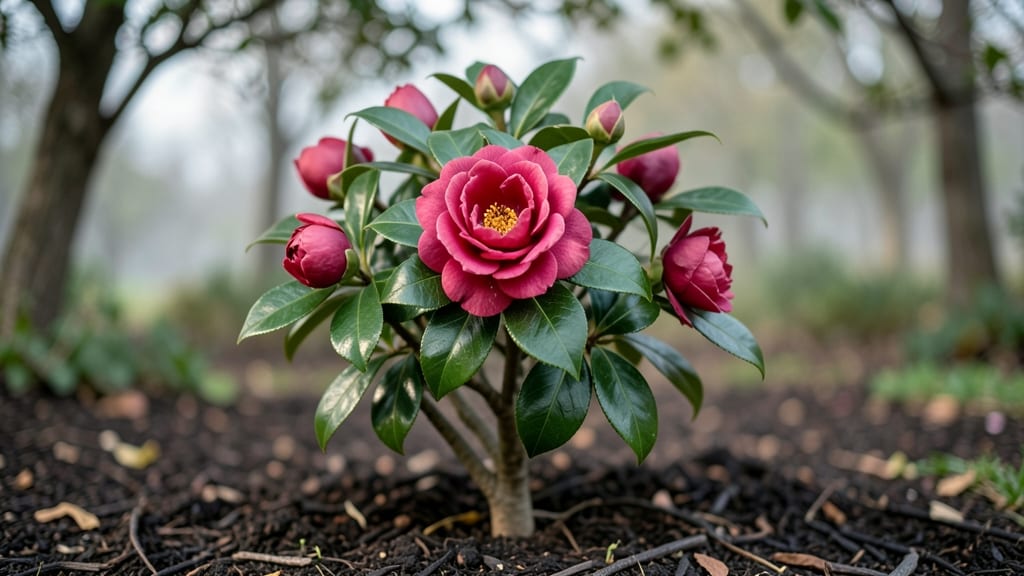
Camellias bloom in North Carolina between late fall and early spring 🌸, with timing that surprises even seasoned gardeners.
Picture this: your neighbor’s camellias are already covered in blossoms by mid-February, while yours haven’t even budded. That’s not a fluke—it’s all about variety, hardiness zone, and a few tricks of the NC climate.
From fall-blooming sasanquas (September–November) to late-winter spring beauties (February–April), the exact months depend on where you live in the state. Zone 7b gardeners in Greensboro will see blooms 2–4 weeks later than those in Wilmington’s Zone 8b.
Below, I’ll break down the exact bloom windows for NC’s most popular varieties, how to push your camellias into earlier (or later) bloom, and the one pruning mistake that kills next year’s flowers.
Camellia blooming seasons in NC by variety: fall vs spring timelines
North Carolina’s camellia blooming seasons are a gardener’s highlight, but timing depends entirely on the variety you grow. Camellia sasanqua often steals the show first with fall blooms from September to November, while Camellia japonica waits patiently for late winter to early spring (February to April).
The difference isn’t just about aesthetics—it’s about how your plant adapts to NC’s microclimates, from Raleigh’s humid summers to Asheville’s cooler mountain air.
If you’ve ever wondered why your fall-blooming camellias fade just as winter arrives, or why your spring varieties seem to take forever to wake up, the answer lies in their natural growth cycles. Camellia sasanqua varieties like ‘Yuletide’ and ‘Sasanqua’ bloom in cool fall temperatures, while Camellia japonica types such as ‘Nobility’ and ‘Spring’s Promise’ need chilling hours to trigger their spring display.
Even within these categories, regional frost dates can shift bloom times by weeks.
Here’s the key difference: Fall-blooming camellias (like Camellia sasanqua) set their buds in late summer and open them as temperatures drop. Spring-blooming varieties (like Camellia japonica) form buds in late winter and rely on warmer days in March or April to burst into color.
In Zone 8a (Charleston), you might see sasanqua blooms as early as late September, while in Zone 7b (Raleigh), they may wait until October or November.
For Asheville gardeners in Zone 7a, spring-blooming Camellia japonica varieties like ‘Spring’s Promise’ often wait until late March or April to bloom, as cooler mountain air delays their growth.
Meanwhile, Raleigh’s Zone 7b climate allows sasanqua types to bloom as early as mid-September, with some varieties like ‘Yuletide’ extending into December for a festive display. In coastal Charleston (Zone 8a), Camellia oleifera may bloom as early as January, taking advantage of milder winters.
If you’re planning your camellia garden layout, consider pairing fall and spring bloomers to extend your flowering season. For example, plant ‘Yuletide’ (fall) alongside ‘Nobility’ (spring) to ensure year-round interest.
Just be mindful of late frosts: spring varieties in Zone 7a may need frost protection until mid-April, while fall bloomers in Zone 8b can often handle light frosts without damage.
One common mistake I see is assuming all camellias bloom at the same time. Camellia sasanqua varieties are
How NC hardiness zones 7a–8b affect Camellia bloom times
North Carolina’s USDA hardiness zones 7a–8b create dramatic differences in camellia bloom timing. In Zone 8b (like Wilmington), mild winters let Camellia sasanqua burst into color as early as October, while Zone 7a (Greensboro) often waits until February for Camellia japonica to shine.
These zone shifts can mean a 4-month difference in your garden’s winter display!
Warmer zones like 8b enjoy longer frost-free periods, allowing fall-blooming varieties to thrive. Meanwhile, Zone 7a gardens face earlier frosts, pushing spring-blooming types to wait until after last frost dates. Understanding these patterns helps you choose varieties that align with your local climate.
🌱 Key Takeaway: Zone 8b gardens can enjoy two bloom seasons (fall and spring), while Zone 7a typically sees just one strong spring display. Here’s how to match varieties to your zone for perfect timing:
In Zone 7a, late frosts often delay blooms until after March 15, so prioritize hardy spring varieties like 'Nuccio’s Gem'. Meanwhile, Zone 8b gardens can enjoy fall blooms by October with varieties like 'Bonanza', which thrive in warmer microclimates.
Always check your local last frost date when selecting camellias!
Pro tip: Zone 7a gardeners can extend blooms by planting early spring varieties near south-facing walls for extra warmth. In Zone 8b, protect fall blooms with light frost cloth if temperatures dip below 28°F. These small adjustments make all the difference in your camellia’s timing!
Remember, soil acidity (pH 5.0–6.0) and consistent moisture are just as critical as zone selection. Even the right variety won’t bloom beautifully without proper care—so pair your zone-appropriate camellia with well-draining, acidic soil for the best results. 🌿