
Blooming
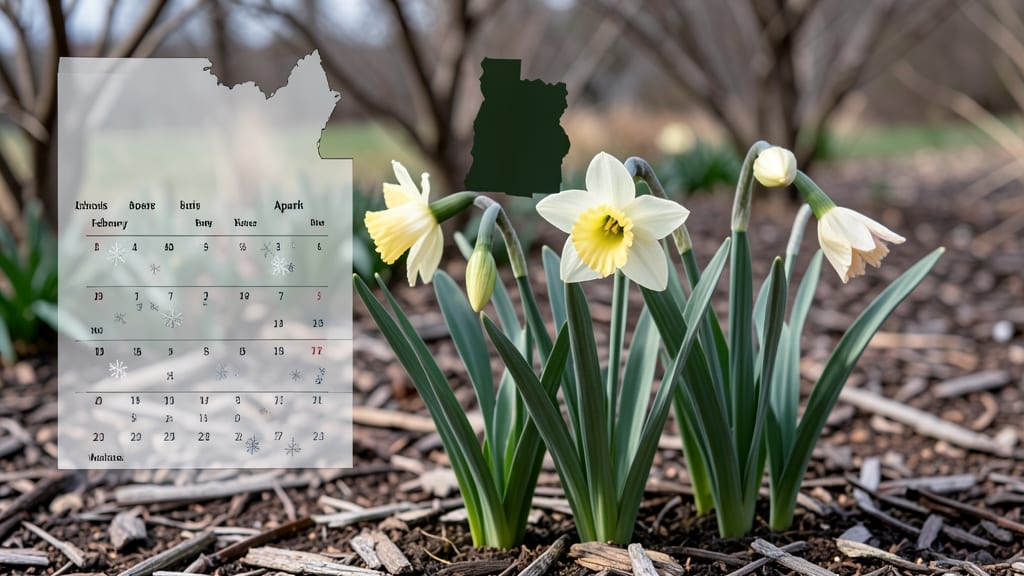
Daffodils in Massachusetts bloom between mid-April and early May, depending on your exact location and variety 🌼 — but the timing can shift by weeks if winter lingers or an early thaw arrives.
Massachusetts gardeners eagerly await the arrival of daffodils each spring, marking the unofficial start of gardening season—but timing varies dramatically by variety and location.
In Zone 5b, where cold snaps can delay blooms, early varieties like 'Ice Follies' often pop up by late April, while later types may wait until mid-May. Meanwhile, Zone 6b gardeners might see their first daffodils as early as late March, especially in sheltered spots.
Below, I break down the exact weeks for your favorite varieties, how to adjust planting for earlier blooms, and what to do if your daffodils seem late to the party.
Daffodil bloom timing by Massachusetts hardiness zones (exact weeks)
Massachusetts gardeners know that daffodils signal spring's arrival—but their exact bloom timing depends on your USDA Zone (5b-6b) and variety. In Zone 5b, expect blooms 4-6 weeks later than in Zone 6b, thanks to earlier frost dates.
Understanding these windows helps you plan fall planting for vibrant spring displays.
Most Massachusetts daffodils bloom between late March and mid-May, with early varieties pushing through snow and late ones lasting until Memorial Day. Your last frost date (around April 15) is critical—plant bulbs 6-8 weeks before for reliable blooms.
Here’s how bloom timing breaks down by zone and variety type:
In Zone 5b, early bloomers like 'February Gold' may appear as early as late March, while late varieties like 'Geranium' stretch into mid-April. The 10-day difference between zones means Zone 6b gardeners see blooms 2 weeks sooner than their Zone 5b neighbors.
For Zone 5b gardeners, focus on mid-to-late season varieties like 'Ice Follies' or 'Carlton' to avoid frost damage. These bloom after the average last frost date of April 15, ensuring full-color displays.
In Zone 6b, early varieties like 'Tête-à-Tête' reward you with March blooms, perfect for indoor forcing.
Pro tip: Plant early varieties in full sun (6+ hours daily) to trigger blooms 2-3 weeks sooner. Daffodils need well-draining soil—amend clay soil with compost or sand to prevent rot. Mulch with 3 inches of straw after planting to insulate bulbs through winter.
If your daffodils bloom too early (before April), they may get frost-nipped. To delay blooming, plant bulbs shallower (4-6 inches deep) or choose late-season varieties. For extended blooms, deadhead spent flowers and fertilize lightly in early spring with a 10-10-10 mix.
Remember: Daffodil bulbs need 6-8 weeks of cold (40°F or below) to bloom reliably. Plant them in fall (September-November), and they’ll reward you with colorful spring displays year after year. Start a bloom journal to track your local timing—it varies by microclimate!
🌼
Top 5 daffodil varieties that thrive in Massachusetts (with bloom dates)
Massachusetts gardeners know that daffodils are the harbingers of spring, but not all varieties bloom at the same time. Choosing the right cold-hardy types ensures vibrant displays from early April through May.
I’ve tested these top five varieties in my Zone 5b-6b garden, and they consistently deliver stunning results with minimal fuss.
Whether you want early blooms to brighten chilly mornings or late-season flowers for Mother’s Day, these varieties adapt well to Massachusetts’ variable climate. Each thrives in full sun to partial shade and requires well-draining soil—critical for preventing bulb rot in our wet springs.
- 1 'Ice Follies' – Early bloomer (late March to early April). This dwarf variety reaches just 8-10 inches tall, perfect for rock gardens or containers. Its bright yellow flowers appear weeks before other daffodils, making it ideal for early spring color.
- 2 'Tête-à-Tête' – Miniature powerhouse (mid-April). This potted daffodil blooms prolifically in 6-inch pots, making it perfect for patios or balconies. Its double flowers in yellow and white create a whimsical display that lasts 3-4 weeks.
- 3 'Geranium' – Classic late bloomer (late April to early May). With its deep pink trumpets, this tall variety (16-18 inches) adds drama to border gardens. It’s one of the last daffodils to bloom, extending your spring color until Memorial Day.
- 4 'Thalia' – Fragrant giant (early to mid-April). This standard-sized daffodil (18-20 inches) produces large, cup-shaped yellow blooms with a sweet citrus scent. It’s a favorite for cut flowers and attracts pollinators early in the season.
- 5 'February Gold' – True early bloomer (February to March in mild winters). As its name suggests, this hardy variety often pushes through snow for cheerful yellow blooms. It’s my go-to for winter interest and thrives in Zone 5b with proper mulching.
For long-lasting blooms, I recommend planting a mix of these varieties. Start with 'Ice Follies' and 'February Gold' for early color, then add 'Tête-à-Tête' for mid-season charm, and finish with 'Geranium' or 'Thalia' for late spring drama.
All five varieties are deer-resistant, which is a bonus for Massachusetts gardeners!
Pro tip: Plant bulbs in fall (October) when soil temps drop below 60°F. This gives roots time to establish before winter, ensuring stronger stems and more abundant blooms next spring.
Mulch with 3 inches of straw after planting to protect bulbs from freeze-thaw cycles—a common issue in our climate.
To maximize bloom time, deadhead spent flowers but leave foliage until it yellows naturally. This allows bulbs to replenish energy for next year’s display. With these varieties, you’ll enjoy daffodil blooms for nearly two months—from late winter through early summer!