
Blooming
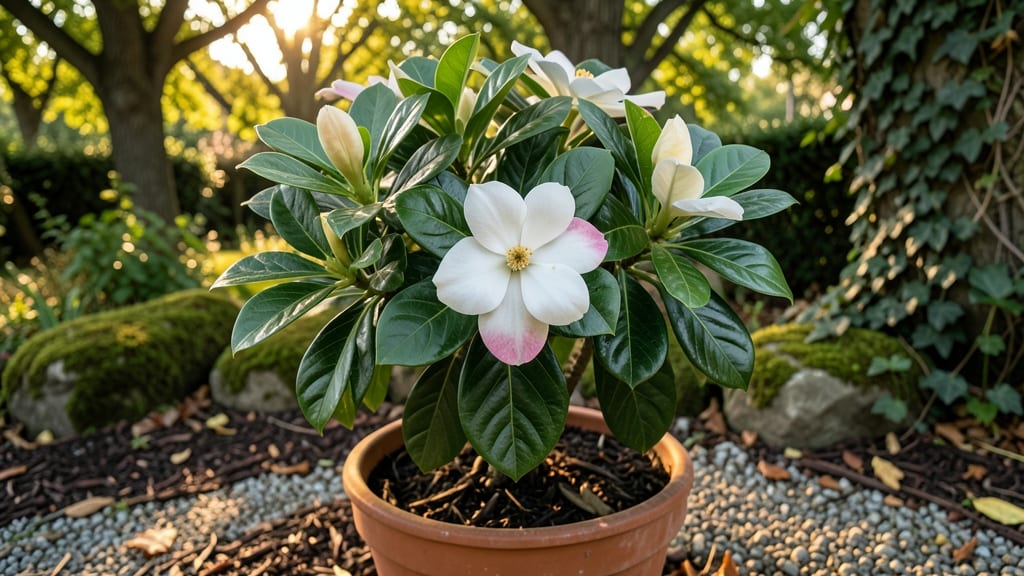
Gardenias bloom in Florida between late spring and summer 🌱, when the air warms and humidity rises just right.
Florida gardeners know the sweet, intoxicating scent of gardenias—but timing their bloom is key to enjoying their full fragrance potential.
If you’ve ever missed their peak season or wondered why your gardenias aren’t blooming when expected, this month-by-month guide will unlock the secrets to their flowering cycle in Florida’s unique climate.
The exact timing depends on where you live in the state. In North Florida, blooms often kick off in May, while South Florida gardenias may start as early as April. Humidity and temperature shifts trigger the buds, so consistent moisture and afternoon shade can make all the difference.
Below, I’ll break down the full bloom window, how to read your plant’s signals, and the simple care tweaks that extend their fragrance season from spring through summer.
Gardenia bloom season in Florida: month-by-month timeline and climate factors
Florida’s gardenias are legendary for their intoxicating fragrance, but their bloom timing depends heavily on local climate and regional microclimates. Unlike northern states, Florida’s warm winters and humid summers create a unique bloom window that often spans late spring through early fall.
Understanding these patterns helps you maximize fragrance and troubleshoot delays.
The primary bloom season for gardenias in Florida typically runs from May through August, with South Florida plants often blooming earlier (April-July) due to milder winters. North Florida gardenias may lag slightly, starting in late May and peaking in July-August.
Temperature shifts—especially warm nights above 70°F—trigger bud formation, while high humidity preserves petal longevity.
Climate factors like heat stress (above 90°F) or drought can stunt blooms, while proper care adjustments can extend the season. For example, shade cloth during peak summer can prevent bud drop, and phosphorus-rich fertilizer in early spring primes plants for flowering.
| Month | Bloom Activity | Climate Notes | Care Adjustments |
|---|---|---|---|
| January | Dormant (rare blooms) | Cool, dry; minimal growth | Prune dead branches; reduce watering |
| February | Bud formation begins | Warming temps; humidity rises | Apply high-phosphorus fertilizer; monitor for pests |
| March | Early blooms (South FL) | 70–85°F; high humidity | Increase watering; mulch to retain moisture |
| April | Peak blooms (South FL) | Warm days, warm nights | Prune spent blooms; watch for fungal issues |
| May | Full bloom (North/South FL) | 80–90°F; thunderstorms common | Provide afternoon shade; deep water weekly |
| June | Strong blooms (all regions) | Humid, frequent rain | Improve air circulation; fertilize lightly |
| July | Peak season (North FL) | Hot, dry spells possible | Mulch heavily; avoid overhead watering |
| August | Late blooms; tapering | Humidity drops; hurricanes possible | Prune lightly; prepare for fall |
| September | Few blooms; bud set | Cooling temps; lower humidity | Reduce fertilizer; protect from storms |
| October–December | Dormant (no blooms) | Cool, dry winter | Prune for shape; minimal watering |
South Florida’s gardenias often bloom earlier due to warmer winters, while North Florida plants may lag by 4–6 weeks because of cooler nights. For example, Miami gardenias might start in March, while those in Gainesville wait until May. This delay occurs because bud formation requires consistent nighttime temps above 65°F.
To extend the bloom season, I recommend strategic pruning after the first flush of blooms in June. This encourages secondary blooming in late summer. Additionally, mulching with pine bark helps maintain soil moisture and acidity levels, which gardenias prefer (pH 5.0–6.5).
In humid South Florida, fungal diseases like powdery mildew can reduce blooms, so space plants 3–4 feet apart for airflow.
Heat stress above 95°F can cause bud drop,
Why your Florida gardenias aren’t blooming: common mistakes and fixes
If your Florida gardenias are sitting pretty with lush green leaves but stubbornly refuse to bloom, don’t panic! The problem is often fixable with a few targeted adjustments.
Gardenias are notorious for their fragrant flowers, but they’re also picky about their growing conditions. In Florida’s humid climate, even small mistakes can delay—or completely halt—blooming.
I’ve seen gardeners in South Florida and North Florida alike pull their hair out over gardenias that look healthy but won’t flower. The good news? Most issues stem from common care errors that are easy to correct once you know what to look for.
Let’s troubleshoot the most frequent culprits and get your gardenias back on track for their peak bloom season.
⚠️ When Do Gardenias Bloom in Florida?
In Florida, gardenias typically bloom from late spring to early fall, with peak fragrance in May through July. However, if your plants are over 3 years old and still not flowering, it’s time to investigate. Young gardenias (under 2 years) may need patience—focus on establishing strong roots first. For established plants, blooming issues usually point to pruning mistakes, nutrient deficiencies, or stress from improper watering.
One of the biggest blooming killers is over-pruning, especially if you’re trimming at the wrong time. Gardenias bloom on new wood, so heavy pruning in late winter or early spring can remove next year’s flower buds before they even form.
I’ve had clients accidentally prune off entire flowering branches in February, only to see no blooms until the following year. Always prune right after blooming (late summer or early fall) to encourage next season’s flowers.
Another frequent offender is poor soil nutrition. Gardenias thrive in acidic, well-draining soil with a high-phosphorus fertilizer (look for a 5-10-10 NPK ratio). Florida’s sandy soils often lack the organic matter and nutrients these plants crave.
I recommend amending the soil with peat moss or compost and feeding with an acid-loving plant fertilizer every 4-6 weeks during the growing season. A quick soil test can reveal if your pH is too high—aim for 5.0 to 6.5.
Light exposure is another sneaky culprit. While gardenias tolerate partial shade, they need at least 4-6 hours of morning sun to set buds. If your plants are tucked under tall trees or in deep shade, they’ll focus energy on leaves instead of flowers.
Try moving them to a sunnier spot gradually—sudden full sun can scorch their delicate leaves. In South Florida’s intense heat, afternoon shade becomes essential to prevent stress.
Finally, watering errors can silently sabotage blooming. Gardenias hate wet feet but also need consistent moisture. In Florida’s humidity, it’s easy to overwater, leading to root rot and stunted growth. Water deeply 2-3 times per week, ensuring the top 6 inches of soil dry out slightly between waterings.
Mulching with pine bark or cypress mulch helps retain moisture while keeping roots cool—perfect for Florida’s climate.
Ready to diagnose your gardenia’s issue?
Grab a notebook and check off these quick troubleshooting steps: ☑️ Are your plants over 2 years old? ☑️ Did you prune in winter or early spring? ☑️ Is your soil acidic (pH 5.0-6.5)? ☑️ Are they getting at least 4 hours of morning sun? ☑️ Are you overwatering or underwatering?
With these fixes, your gardenias should be bursting with blooms by next season’s peak—just in time for Florida’s fragrant summer evenings! 🌷