
Blooming
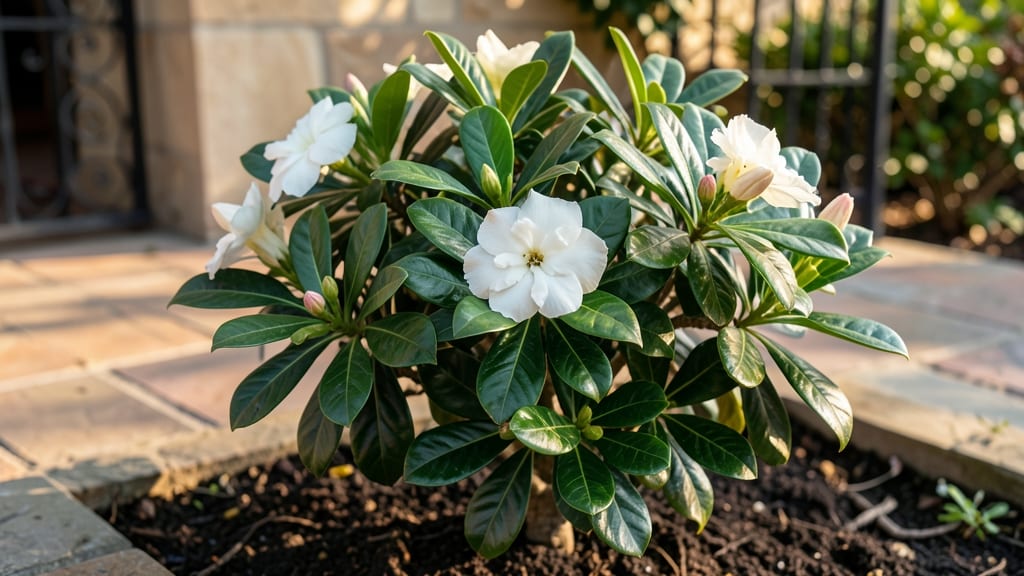
Gardenias bloom in North Carolina between late spring and early summer, typically from May to July, though varieties like Gardenia jasminoides may extend blooms into early fall with proper care. Warmer coastal zones (7a-8b) often see earlier flowering than inland areas (6b-7a).
North Carolina's gardenia blooms align closely with the state's spring-to-summer transition, but the exact timing depends heavily on your specific USDA hardiness zone and microclimate.
Coastal areas like Wilmington (zone 8a) often see gardenias opening as early as late April, while inland regions in the Piedmont (zone 7a) may not hit peak bloom until June.
The fragrant Kleim’s Hardy variety tends to start earlier than tropical types, making it a favorite for gardeners in cooler inland zones.
What many gardeners don't realize is that proper after-bloom pruning in late summer can actually encourage a second flush of flowers in fall, especially for heat-tolerant varieties.
I've found that maintaining soil pH between 5.5 and 6.5 and providing afternoon shade during NC's peak summer heat (when temps often exceed 90°F) makes a noticeable difference in bloom duration.
The key is balancing care with the plant's natural rhythms—too much intervention can stress the plant and shorten its flowering season.
For those in transitional zones (like the Sandhills region between 7a and 8a), late spring frosts remain the biggest threat to early blooms.
A simple trick I've used is to cover plants with frost cloth after April 15 until the danger of frost has passed—this small precaution can mean the difference between a disappointing sparse bloom and a spectacular display. The right care turns NC's challenging climate into an advantage for gardenia lovers.
💡 In This Article
- Gardenia Bloom Timing by Variety and North Carolina Climate Zones
- Tips to Extend Gardenia Blooms in North Carolina’s Heat and Humidity
Gardenia bloom timing by variety and north Carolina climate zones
North Carolina's gardenia blooms are primarily governed by temperature cues and daylight hours, with varieties exhibiting distinct bloom windows. The classic Gardenia jasminoides—the most widely grown—typically begins flowering in late May along the coast (zones 7b-8b) and early June in the Piedmont (zones 6b-7a).
What's fascinating is how these tropical plants have adapted to NC's climate: their buds require a period of cooler temperatures (50-60°F) in late winter to break dormancy, which is why you'll rarely see blooms before mid-April even in the warmest coastal areas.
The Kleim’s Hardy variety stands out as the early bloomer, often opening its creamy-white flowers as early as April 20 in zone 8a, thanks to its cold-hardier genetics. This variety's buds are more resilient to late frosts, making it ideal for gardeners in transitional zones like Raleigh (zone 7b).
Meanwhile, Gardenia radicans—a climbing variety—tends to bloom slightly later (June 15-July 15) but produces smaller, more abundant flowers that continue sporadically through August if conditions are right. The contrast between these varieties highlights how microclimates create a 3-4 week bloom window shift between coastal and inland NC.
What most gardeners overlook is how humidity affects bloom timing. NC's Coastal Plain (zones 8a-8b) maintains higher humidity levels (often 70-80%) during summer, which can actually delay blooming in some varieties by 10-14 days compared to drier Piedmont regions. The reason?
High humidity slows the plant's metabolic processes, including the production of floral hormones. This is why gardeners in Wilmington sometimes see their gardenias peak in late July while those in Charlotte (zone 7b) hit their peak in early July—despite Charlotte having slightly cooler nights.
For those growing Gardenia fortunei (a less common but stunning variety with larger blooms), expect a 2-3 week later bloom window than jasminoides, typically starting in early June in zone 7a. The key difference lies in this variety's native adaptation to slightly cooler highland climates, which makes it better suited for NC's inland regions.
What's remarkable is how these plants use photoperiodism—their internal clock responds to increasing daylight hours (14+ hours in June) to trigger flowering, while shorter days in fall signal the end of their bloom cycle.
Here's a quick reference for NC gardeners:
- Coastal NC (7b-8b): Peak blooms May 20-July 10, with some varieties continuing until August 15
- Piedmont (6b-7a): Peak blooms June 1-July 20, often with a second minor flush in September
- Mountains (6a-6b): Limited blooming (June 15-July 5) due to shorter growing seasons
The most reliable way to predict your gardenia's bloom window is to track your local last frost date and count 120-140 days afterward—this gives the plant enough time to establish strong roots before flowering. In NC, this typically lands in mid-May to early June for most varieties. 🌸