
Blooming
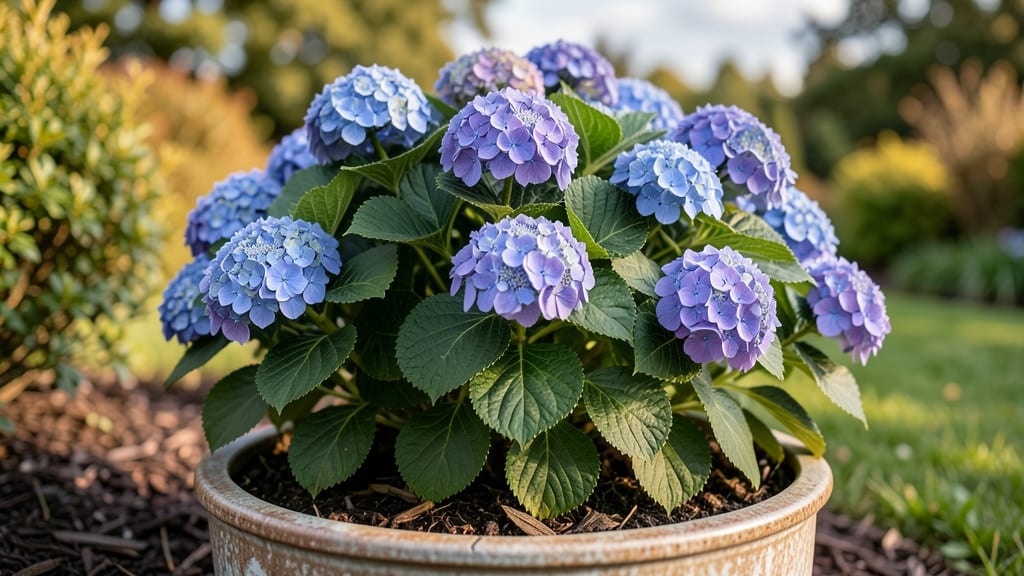
Hydrangeas bloom in Cape Cod around late May to early June for most varieties, with some late bloomers stretching into July—just in time for summer’s peak color.
Cape Cod’s coastal climate creates the perfect conditions for hydrangeas—but timing is everything. Miss the bloom window, and you’ll watch those stunning flowers fade before they even peak.
In Zone 6b, where bigleaf hydrangeas shine, blooms typically appear after the last frost (around April 15), but cooler coastal temperatures can delay them by 1-2 weeks compared to inland areas.
Here’s how to adjust care for earlier or later blooms, plus the best varieties to maximize your Cape Cod garden’s floral show all summer long.
Hydrangea bloom timeline in Cape Cod’s Zone 6: month-by-month breakdown
Cape Cod’s Zone 6 climate gives hydrangeas a longer bloom season than inland areas, thanks to its cooler summers and moderate humidity. But timing varies by variety—bigleaf hydrangeas often bloom earlier, while panicle types may hold onto flowers until frost.
Understanding these patterns helps you plan for the biggest, longest-lasting blooms all summer.
Microclimates play a huge role. Coastal areas near the ocean stay cooler and more humid, delaying blooms by 1-2 weeks compared to inland spots. Meanwhile, sheltered gardens in towns like Falmouth or Provincetown may see earlier blooms.
Let’s break down the month-by-month schedule for Cape Cod’s most popular hydrangea varieties.
If you’re planting hydrangeas in Cape Cod’s coastal areas, expect blooms to start 1-2 weeks later than inland gardens due to cooler ocean breezes. For example, 'Endless Summer' bigleaf hydrangeas might not open until early June near the water, while inland plants could bloom by late May.
This delay is normal—just plan your gardening timeline accordingly.
Peak bloom season typically runs from mid-June through August, with panicle hydrangeas like 'Limelight' lasting the longest. These varieties often re-bloom in fall if given proper care, extending your display until first frost.
To maximize blooms, prune at the right time: bigleaf types after flowering, while panicle types can be pruned in late winter.
Cape Cod’s humid summers can also affect bloom health. Too much moisture may lead to bud blast, where flowers fail to open. To prevent this, ensure your hydrangeas have well-draining soil and partial afternoon shade.
A 2-3 inch mulch layer helps retain moisture without suffocating roots—critical during dry spells in July and August.
For earlier blooms, consider planting panicle hydrangeas like 'Little Lime' or 'Quick Fire'. These varieties are more cold-hardy and often push blooms forward by 10-14 days compared to bigleaf types.
If you’re in a warmer microclimate, like the South Coast, you might even see late May blooms on well-established plants.
Don’t forget that oakleaf hydrangeas are Cape Cod’s secret weapon for fall color. While their blooms arrive later (mid-June), their showy foliage turns shades of red and orange in September, long after other hydrangeas have faded. This makes them a must-have for extending your garden’s season.
To track your hydrangeas’ progress, mark their first bloom date each year. Over time, you’ll notice patterns based on your specific microclimate. For example, gardens in Wellfleet may bloom 2 weeks earlier than those in Provincetown due to differences in wind exposure and soil drainage.
Adjust your care routine accordingly!
Pro tip: Deadhead spent blooms in early fall to encourage new growth for next year. This simple step can push your hydrangeas to rebloom in late summer, giving you a second show before winter sets in. Just avoid pruning until after the first frost—this protects next year’s buds.
How to adjust care for earlier or later blooms in Cape Cod’s coastal climate
Cape Cod’s salty breezes and unpredictable spring frost dates can throw off your hydrangeas’ natural bloom cycle. But with a few strategic adjustments, you can push blooms earlier or extend their season by weeks.
The key lies in understanding how each variety responds to Cape Cod’s coastal microclimates—especially along the Outer Cape where winds are stronger.
For bigleaf hydrangeas, which bloom on old wood, timing matters most. If you want earlier blooms, focus on soil warmth and winter protection.
For panicle and oakleaf varieties, which bloom on new wood, pruning in late winter can reset their clock for a later, more dramatic display. Let’s break down the exact steps for each scenario.
🌱 5 Ways to Adjust Hydrangea Blooms in Cape Cod
- 1. Prune for Earlier Blooms: Skip winter pruning on bigleaf varieties to force blooms on last year’s wood.
- 2. Mulch Heavily: Add 4-6 inches of mulch in early March to warm soil faster and trigger blooms 2-3 weeks sooner.
- 3. Protect from Salt Spray: Use windbreaks or plastic barriers near shorelines to prevent leaf burn that delays blooming.
- 4. Fertilize Strategically: Apply high-phosphorus fertilizer in late April to boost flower production for panicle/oakleaf types.
- 5. Extend Season with Shade: Add dappled shade in late summer to protect blooms from early fall frosts (common after October 1).
If your bigleaf hydrangeas usually bloom in late June but you’d love to see them in early June, start by delaying pruning until after the first flush of blooms appears. This forces the plant to rely on old wood growth, which is already primed for flowers.
Pair this with a thick layer of mulch in early spring—Cape Cod’s sandy soil drains too quickly, so mulch helps retain soil moisture and warmth.
For panicle hydrangeas, which thrive in Cape Cod’s hotter inland areas, prune in late winter to encourage new wood growth and delay blooming until July or August. This works especially well if you’ve noticed blooms fading by mid-July—a common issue in Zone 6b.
Just be sure to cut back by 1/3 to avoid overcrowding, which can stress the plant.
Don’t overlook the oakleaf varieties, either. These heat-loving hydrangeas often struggle with Cape Cod’s cooler coastal summers. To extend their season, plant them in south-facing beds where they’ll get afternoon sun without the harsh midday glare.
A light feeding of compost in early June will also give them the energy to keep blooming through September.
Protecting your hydrangeas from salt spray is non-negotiable if you’re near the coast. Even a single summer storm can burn leaves and delay blooming. Use plastic sheeting wrapped around vulnerable plants during nor’easters, or position them 10+ feet inland where salt levels drop.
For existing damage, trim affected branches immediately to redirect energy to healthy growth.
With these adjustments, you can extend your hydrangea season by 4-6 weeks—meaning blooms from June through September instead of just July and August. The key is observing your plants and adapting based on Cape Cod’s unpredictable coastal weather.
Start with one technique this year, then layer in others as you learn what works best for your microclimate. 🌿