
Blooming
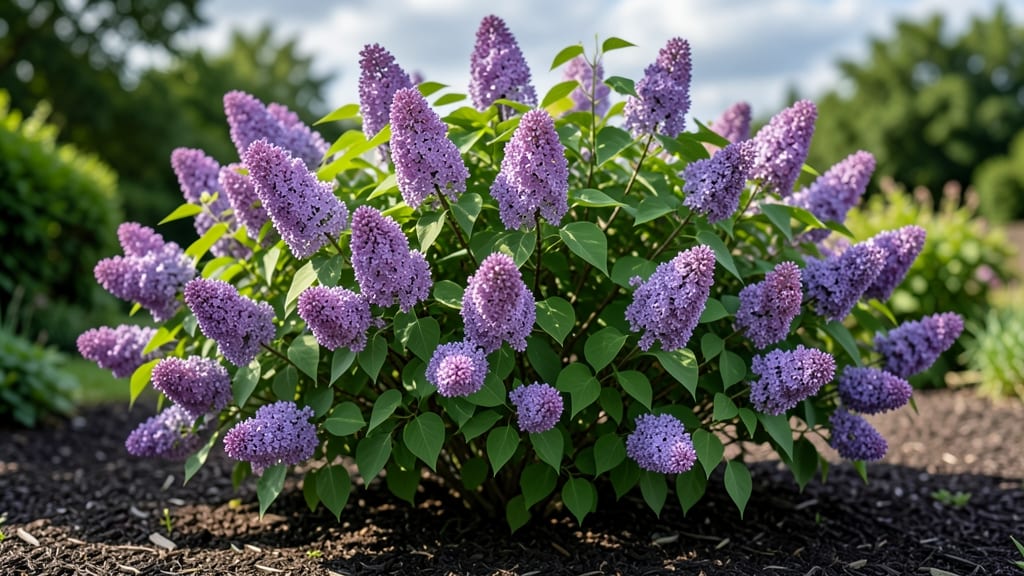
Lilacs bloom in Indiana between mid-April and early May, with most varieties like Common Lilac and French Lilac opening their flowers in late April, while later bloomers may appear in May.
Indiana's spring weather plays a huge role in when lilacs bloom, as they need consistent temperatures above 50°F for several weeks to push buds open. 🌸 The state's hardiness zones (5-6) generally support lilacs, but late frosts can delay blooming—especially for early varieties.
I've noticed that well-established shrubs tend to flower more reliably each year, while younger plants may take a few seasons to reach full bloom potential.
If you're planning your garden around these fragrant blooms, consider planting a mix of early and late varieties to extend your viewing window. For instance, the Korean Lilac often blooms slightly later than Common Lilacs, giving you a longer season of purple and white blossoms.
The key is to monitor your local frost dates and choose varieties that match your microclimate.
💡 In This Article
- Factors Affecting Lilac Bloom Times in Indiana
- Indiana Lilac Varieties and Their Bloom Schedules
Factors affecting lilac bloom times in Indiana
Indiana's bloom timing for lilacs hinges primarily on temperature thresholds and frost patterns. Lilacs require consistent daytime temperatures above 50°F for at least 7-10 days to break dormancy and begin bud formation.
The critical period starts when nighttime lows stabilize above 40°F, which typically occurs between early April and mid-April in most of Indiana's hardiness zones (5b-6a). 🌡️ Early frosts after bud formation can cause bud blast, where flowers fail to open properly—this is why gardeners in northern Indiana often see delayed blooming compared to southern regions.
The state's microclimates create significant variation. Urban areas like Indianapolis often experience 2-3°F warmer temperatures than rural zones due to the "urban heat island" effect, causing lilacs to bloom 5-7 days earlier in city gardens.
Soil moisture also plays a role—well-drained, slightly acidic soil (pH 6.0-7.0) helps lilacs establish strong root systems, which directly impacts bloom vigor. In contrast, waterlogged soils can delay flowering by 10-14 days as the plant diverts energy to root recovery rather than flower production.
Plant maturity is another key factor. Younger lilac shrubs (under 3 years old) may take 1-2 weeks longer to bloom than established plants because they're still building energy reserves. Mature lilacs that receive full sun (6+ hours daily) typically bloom 7-10 days earlier than those in partial shade.
This is why gardeners often see their oldest lilac bushes open first each spring—a clear sign the plant has reached optimal maturity and storage capacity for flower production.
Varietal genetics also create predictable timing differences. Early bloomers like Common Lilac (Syringa vulgaris) often open in late April, while late varieties such as Korean Lilac (Syringa meyeri) may not peak until early May.
The science behind this involves photoperiod sensitivity—different varieties respond to daylight length changes at slightly different thresholds. In Indiana's 14-15 hour daylight window during April, these genetic differences translate to 1-2 week bloom windows between varieties planted side by side.
One often-overlooked factor is the previous year's growing conditions. Lilacs that experienced adequate moisture and sunlight in their final growing season will typically bloom 10-14 days earlier the following spring because they've built up more carbohydrate reserves in their roots.
This is why gardeners who practice proper fall care (mulching, watering) often see more reliable and earlier blooming patterns. The plant's ability to store these reserves acts like a biological clock, determining when it's "ready" to flower each spring.
For Indiana gardeners, the most reliable way to predict bloom times is to track your local last average frost date (typically April 15 in most areas) and count forward 21-28 days for early varieties. This window accounts for the plant's need to complete its physiological processes before opening flowers.
Using this method, you can expect lilacs to begin blooming within 3-5 days of reaching this temperature threshold, though exact timing may shift by ±7 days depending on your specific microclimate.