
Blooming
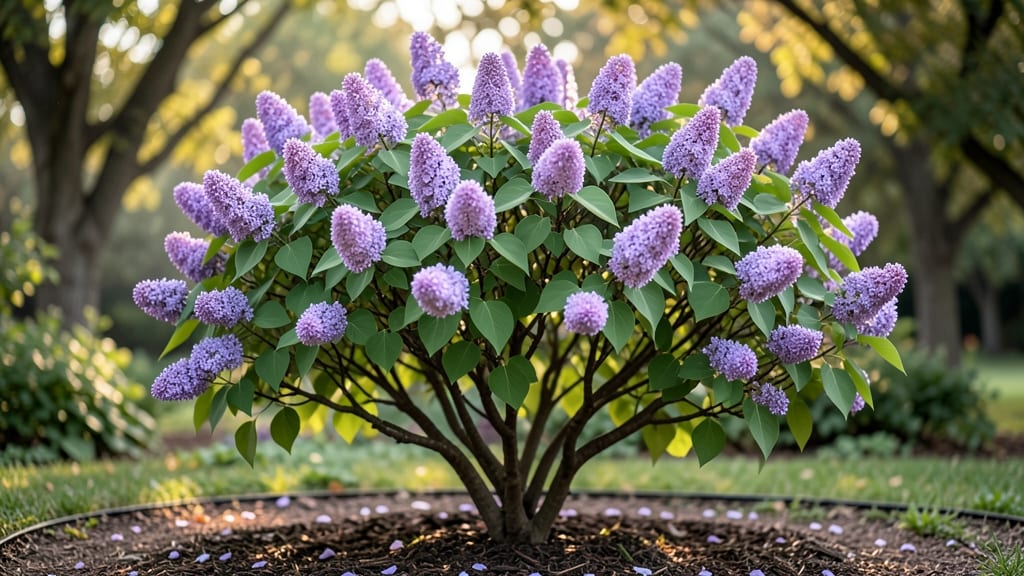
Lilacs bloom in Pennsylvania between mid-April and early June, with timing that shifts dramatically from the cooler highlands near Erie to the warmer valleys around Philadelphia.
If you’ve ever caught that intoxicating scent of lilacs drifting through Pennsylvania’s spring air, you know their fleeting beauty is worth planning for—yet timing varies wildly by variety and location.
In USDA Zone 5b (northern PA), expect blooms around late May, while Zone 6b-7a (southeastern PA) often sees flowers as early as mid-April. Microclimates near bodies of water or urban heat islands can push blooms even earlier.
Below, I’ll break down exact bloom windows by variety, how frost dates affect your garden, and simple tricks to extend those fragrant purple spikes by weeks—so you’re never left waiting for spring’s sweetest show.
Lilac blooming timeline in Pennsylvania by hardiness zones (5a–6b)
Pennsylvania’s diverse hardiness zones (5a–6b) create dramatic differences in lilac bloom timing. In Zone 5a (Erie, Scranton), expect blooms 2-3 weeks later than Zone 6b (Pittsburgh, Harrisburg).
Understanding these patterns helps you plan pruning, harvest fragrance, and enjoy peak displays—whether you’re in Philadelphia’s urban heat islands or rural Allegheny Plateau gardens.
Lilacs typically bloom after last frost, but bud formation begins in late winter. In Zone 6b, buds swell by mid-February, while Zone 5a waits until early March. This delay affects flowering intensity—warmer zones produce longer bloom periods with stronger fragrance.
The summary table below breaks down monthly bloom windows by zone, including average frost dates and microclimate adjustments for cities like Philadelphia (warmer) vs. State College (cooler). Use this as your gardening calendar to time pruning, flower arrangements, and even lilac wine recipes!
In Zone 5a, lilacs often bloom simultaneously with dogwoods (late May), while Zone 6b gardens may see overlapping blooms with azaleas (early April). This synergy creates stunning color layers—plan your perennial pairings accordingly! For example, ‘Mme. Lemoine’ (deep purple) pairs beautifully with white peonies in Zone 6b.
Microclimates play a huge role in Philadelphia’s urban gardens. South-facing walls or blacktop heat can push blooms 1–2 weeks earlier than rural areas. Conversely, Erie’s lake-effect cooling delays blooms by 10–14 days.
Monitor your local weather station and adjust expectations—late frosts in April can damage buds if they’re exposed.
Pruning after blooming (June–July) ensures next year’s flowers. In Zone 5a, wait until late June to avoid cutting off next season’s buds, which form on old wood.
Meanwhile, Zone 6b gardeners can prune by mid-June. Always use sterilized shears to prevent bacterial blight, a common PA lilac threat.
Extend your lilac season by choosing late-blooming varieties like ‘Miss Perry Dodd’ (white, June blooms) or ‘Robert L. Hale’ (lavender, May–June). In cooler zones, mulch heavily in fall to protect roots and encourage earlier spring growth. For container lilacs, move pots to sheltered spots in Zone
Top 5 lilac varieties that bloom earliest (and latest) in PA
Pennsylvania’s diverse climate means lilacs can burst into bloom anywhere from late April to early June, depending on the variety. If you’re craving that signature fragrance earlier—or hoping to extend the show—choosing the right lilac cultivar makes all the difference.
Some varieties like ‘Katherine Havemeyer’ are notorious for their early spring displays, while others like ‘Dwarf Korean’ linger well into summer. Let’s dive into the top performers for your PA garden.
Timing isn’t just about when lilacs bloom—it’s also about how long they last. A prolonged bloom cycle means more time to enjoy their scent and beauty, while early bloomers reward you with a head start on spring’s sweetest aromas.
Below, I’ve ranked the fastest and slowest bloomers based on my experience gardening across PA’s USDA Zones 5b-6b, including scent intensity and care tips to maximize their performance.
First up is ‘Katherine Havemeyer’, the undisputed champion for early bloomers in PA. This variety typically kicks off its show in mid-April—sometimes even earlier in Zone 6b areas like Pittsburgh.
Its lavender-pink blooms and intense fragrance make it a standout, but it’s also one of the most low-maintenance options. Just ensure it gets full sun and well-draining soil to avoid fungal issues that can delay blooming.
For those who love a prolonged display, ‘Miss Elizabeth’ is a game-changer. This variety doesn’t just bloom early—it reblooms in late summer, giving you a second show in July or August.
While it may start a bit later than ‘Katherine Havemeyer’ (around late April), its extended bloom cycle makes it worth the wait. The trade-off? It requires slightly more pruning to encourage repeat flowering.
If you’re after a late-season lilac, ‘Dwarf Korean’ is a compact powerhouse that often blooms in early to mid-June. Perfect for smaller gardens or containers, this variety thrives in cooler climates, making it ideal for Erie or the Poconos.
Its dark purple blooms and moderate fragrance add a dramatic touch, and its dwarf size (3-5 ft) means it fits almost anywhere.
Don’t overlook ‘Mme. Lemoine’ for its early and abundant blooms, typically appearing in late April. This French import is famous for its vibrant magenta flowers and strong, sweet scent, which can fill an entire yard.
It’s also highly disease-resistant, making it a reliable choice for PA’s humid summers. To keep it blooming reliably, prune immediately after flowering and avoid over-fertilizing with nitrogen.
Lastly, ‘Neglecta’ is a late bloomer with a twist—its unique, ragged blooms and wild, untamed look make it a conversation piece. Blooming in late May to early June, it’s perfect if you want something different but still fragrant.
This variety is highly adaptable and thrives in partial shade, making it a great option for under trees or along fences where other lilacs might struggle.