
Blooming
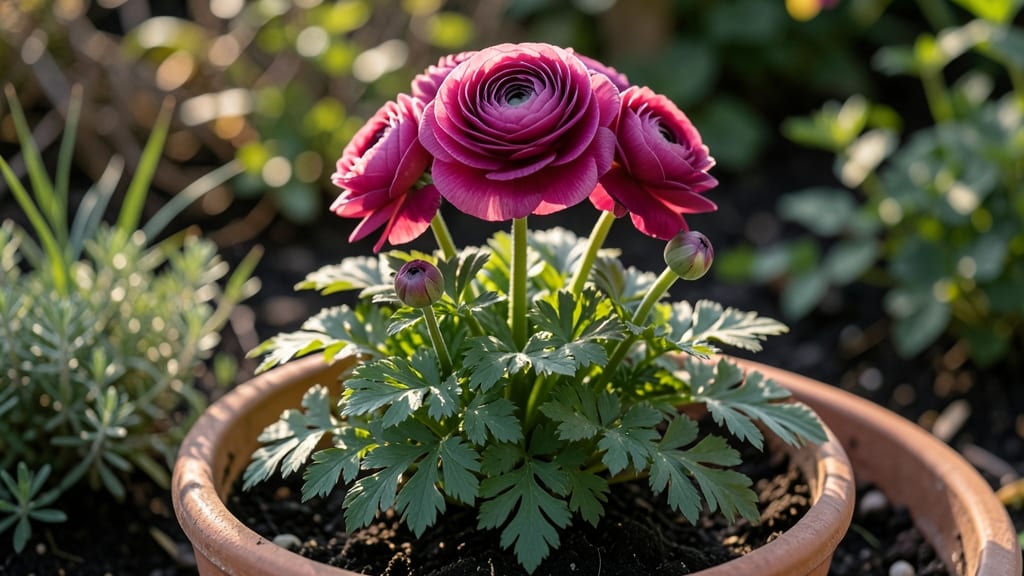
Ranunculus blooms in Zone 6 typically arrive between mid-April and early June, turning your garden into a sea of delicate, layered petals 🌸 that last for weeks.
But here’s the catch: those exact dates hinge on when you planted them—late August to early October for spring blooms—and whether your Zone 6 microclimate leans toward the cooler 6a side or the milder 6b. A late frost can push back blooms, while a warm winter might coax them out earlier.
What most gardeners miss is that ranunculus thrive on consistency: full sun, well-draining soil, and a steady watering routine. Skip one of these, and you’ll end up with leggy stems or sparse flowers instead of the lush displays you’re after.
Below, I’ll break down the month-by-month bloom schedule, how to adjust for Zone 6’s quirks, and the three simple tricks to extend your ranunculus season by up to two weeks—no guesswork required.
Exact bloom timing for ranunculus in Zone 6: month-by-month guide
Ranunculus flowers are famous for their delicate, layered petals that resemble tissue paper, but their bloom timing in Zone 6 depends entirely on when you plant them.
Unlike perennials, ranunculus are tender bulbs that need to be treated like annuals—planting them at the right time ensures you’ll enjoy blooms from late spring to early summer, with potential for a fall rebloom if conditions align.
In Zone 6, where last frosts typically hit around April 15 and first frosts arrive by October 20, the window for planting is narrow but critical. Miss it, and you’ll miss out on those showstopping blooms that last 4-6 weeks per flush.
Let’s break down the exact months you need to focus on for peak blooms and how to adjust for your specific microclimate.
| Stage | Zone 6 Timeline | Zone 5 Adjustment | Zone 7 Adjustment |
|---|---|---|---|
| Planting for Spring Blooms | Late August - Early October | Push to July 15 to avoid early frost | Extend to mid-October for later blooms |
| First Bud Appearance | Mid-March to Early April | Late April (wait for soil warmth) | Early March (soil warms faster) |
| Peak Bloom Period | April 15 - June 1 | May 1 - June 15 (later start) | April 1 - May 20 (earlier start) |
| Fall Rebloom Potential | September (if planted late July) | Rare (too cold for regrowth) | August-September (warmer soil) |
| Post-Bloom Care | Deadhead by June 15 | Deadhead by June 30 | Deadhead by May 30 |
Your Zone 6 planting window for spring blooms runs from late August to early October, but timing is everything. Plant too early, and the bulbs may rot in cold soil. Plant too late, and they won’t have enough time to establish roots before winter dormancy.
Aim for 6-8 weeks before your first frost—typically mid-September in most of Zone 6—to give them the best chance.
The first buds will appear in mid-March if planted correctly, but don’t be surprised if they take until early April in colder microclimates.
This is when your garden transforms from winter dormancy to a sea of color, with ranunculus blooms lasting until early June if you’re consistent with deadheading and watering. Pro tip: Use a mulch layer in late fall to protect bulbs from temperature swings that can delay spring growth.
For a fall rebloom, try planting a second batch in late July. This gives the bulbs enough time to root before cooler weather sets in.
While Zone 6’s fall reblooms are less reliable than spring blooms, you might still see late August to September flowers if your summer wasn’t too hot or dry.
Compare this to Zone 7, where fall blooms are more common due to longer growing seasons, or Zone 5, where they’re nearly impossible without greenhouse protection.
One common mistake in Zone 6 is assuming ranunculus will rebloom naturally. Unlike daylilies or coneflowers, these bulbs need active care to encourage a second flush. After the first bloom cycle, cut back spent stems to 2 inches and fertilize
How to extend ranunculus blooms in Zone 6: proven techniques
Ranunculus flowers in Zone 6 typically bloom from late April through June, but with the right techniques, you can stretch that vibrant display for weeks longer. The key lies in understanding their light needs, soil conditions, and maintenance habits.
Unlike many perennials, ranunculus thrive on consistent care—especially when it comes to deadheading and soil temperature management.
Many gardeners miss the mark by assuming ranunculus are low-maintenance, but these delicate blooms reward precise attention. For example, overwatering can cause rot, while insufficient sunlight leads to weak stems and fewer flowers.
The good news? With a few targeted strategies, you can coax your ranunculus into reblooming or extending their primary season by 3-4 weeks.
-
1. Deadhead Daily
Remove spent blooms immediately to redirect energy to new buds. Use clean pruners and cut stems at the foliage level—never leave stubs.
-
2. Mulch for Soil Warmth
Apply 2-3 inches of organic mulch (straw or shredded leaves) in early spring to retain 55-60°F soil temps, which triggers blooming.
-
3. Supplement Light
If your garden gets less than 6 hours of sun, use a reflective surface (like white plastic) or grow lights for 4 hours daily to prevent bolting.
One of the most overlooked tactics is soil temperature regulation. Ranunculus bulbs need consistent warmth to break dormancy, but Zone 6’s cool springs can delay blooms. I’ve found that covering beds with black plastic for 2-3 weeks before the last frost speeds up soil warming by 10-15°F.
Just remove the plastic once shoots emerge to avoid overheating.
Light is another game-changer. While ranunculus love full sun, partial shade (3-4 hours of direct light) can extend blooms in hot Zone 6 summers. Try planting them near taller perennials like delphiniums or foxgloves to filter harsh afternoon rays while keeping morning sun intact.
Finally, avoid fertilizing after mid-June—this triggers bolting (the plant’s rush to seed). Instead, switch to a low-nitrogen feed (like 5-10-10) in early spring to promote flowering over foliage. I’ve seen ranunculus rebloom in late summer when given this adjustment!
With these techniques, your ranunculus can bloom from late April through July, giving you months of papery pinks, whites, and reds—all while keeping your garden looking effortlessly vibrant. The secret? Consistency in care and timing your interventions to match Zone 6’s climate quirks. 🌸