
Blooming
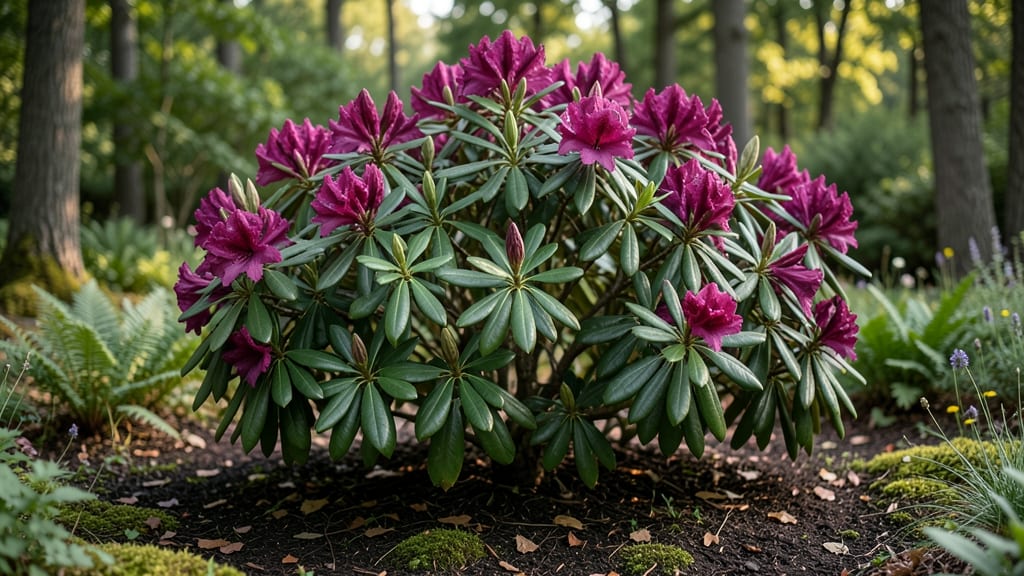
Rhododendrons in Massachusetts bloom between late April and June, depending on the variety and your local microclimate 🌸 — but the exact timing can surprise even seasoned gardeners.
Massachusetts gardeners eagerly await rhododendron season, but timing varies dramatically by variety—some burst into bloom as early as late April, while others wait until June. Knowing these differences can help you choose the perfect plants for your landscape and plan your spring garden visits accordingly.
Coastal areas often see earlier blooms than inland spots, thanks to milder winters, while high-elevation gardens may delay flowering until late May or June. Understanding these regional shifts lets you pick varieties that align with your spring schedule.
In this guide, I’ll break down the bloom calendar by variety, share tips for extending your rhododendron’s show, and help you time your garden tours for peak color.
Massachusetts rhododendron bloom schedule by month and variety
Massachusetts' rhododendron season is a breathtaking display of color, but timing varies dramatically across varieties and regions. Coastal areas like Cape Cod often see blooms 1-2 weeks earlier than inland spots in the Berkshires, thanks to milder microclimates.
Understanding these patterns helps you select plants that align with your local frost dates and extend your garden's visual appeal.
Early bloomers like 'Elizabeth' and 'Nova Zembla' typically burst into color in late April, while late varieties such as 'Catawbiense' and 'PJM' peak in June. This staggered schedule creates a continuous spring show when planted strategically in your landscape.
| Variety | Bloom Time | Color | Height (ft) | Coastal vs Inland |
|---|---|---|---|---|
| 'Elizabeth' | Late April - Early May | Pink | 3-5 | Coastal: 1 week earlier |
| 'Nova Zembla' | Mid-April - Late April | White | 4-6 | Inland: More frost-sensitive |
| 'PJM' | May - Early June | Lavender | 6-8 | Coastal: 10 days earlier |
| 'Catawbiense' | June - Early July | Purple | 8-12 | Inland: More consistent blooms |
| 'Roseum Elegans' | May - June | Pink | 5-7 | Coastal: Brighter blooms |
For coastal Massachusetts, where winters are milder, early varieties like 'Nova Zembla' often bloom as early as mid-April, while inland areas may experience 1-2 week delays due to colder nights. This variation means gardeners in Western MA should prioritize late-blooming varieties like 'Catawbiense' to avoid frost damage.
My personal favorite for early color is 'Elizabeth', which thrives in USDA Zone 4 and handles late frosts better than many varieties. Its pink blooms appear just as spring migrants return, creating a stunning contrast with emerging foliage.
Plant it in partial shade near patios where you'll enjoy its fragrance.
Mid-season bloomers like 'PJM' and 'Roseum Elegans' peak in May, offering lavender and pink hues that complement late tulips and azaleas. These varieties are particularly drought-tolerant once established, making them ideal for low-maintenance gardens in areas with dry springs like parts of Central MA.
Late bloomers such as 'Catawbiense' extend the season into early July, providing color when many other spring flowers have faded. Their dark purple blooms create dramatic focal points in shaded garden corners. In cooler inland microclimates, these varieties may bloom even later, sometimes into mid-July.
To maximize your rhododendron display, I recommend planting 3-5 varieties with staggered bloom times. For example, combine 'Nova Zembla' (April) with 'PJM' (May) and 'Catawbiense' (June) to create a continuous 8-week show. Always plant in acidic, well-draining soil with organic mulch to maintain moisture.
Pro tip: Monitor your local frost dates using the National Weather Service and adjust planting locations accordingly. Early bloomers should be placed in sheltered spots away from cold air pockets, while late varieties can handle more exposure since they bloom after the last frost.
For coastal gardeners, consider adding 'Roseum Elegans' to your collection—its fragrant blooms thrive in the milder maritime climate and often bloom 2 weeks earlier than inland plants. Pair it with evergreen azaleas for a year-round colorful display.
Finally, remember that well-established rhododendrons (3+ years old) bloom more reliably than younger plants. If you're planting new shrubs, prioritize container-grown specimens with root balls to minimize transplant shock and ensure vigorous growth for next year's blooms. 🌸
How to extend rhododendron blooming season in Massachusetts gardens
Massachusetts gardeners know that rhododendrons bring vibrant color to spring landscapes, but their blooming season can feel disappointingly short. With the right care, you can extend those show-stopping flowers by weeks—even months! The key lies in understanding your rhododendron's needs and implementing simple, science-backed techniques.
From soil adjustments to pruning strategies, small changes can transform a fleeting spring display into a prolonged garden highlight.
First, let's address the most critical factor: soil acidity. Rhododendrons thrive in acidic soil (pH 4.5-6.0). If your soil is alkaline, your plants will struggle to absorb nutrients, leading to weak growth and shorter bloom times.
Testing your soil in early spring gives you time to amend it before buds form. Use elemental sulfur or peat moss to lower pH gradually—never make drastic changes overnight.
Timing your pruning correctly is another game-changer. Many gardeners make the mistake of pruning in early spring before buds open, which removes next year's flowers. Instead, wait until late May or June—after your rhododendron has finished blooming.
This allows the plant to set flower buds for next season while giving you time to shape the shrub. Use clean, sharp pruners to make cuts just above a leaf node or bud, and avoid cutting into old wood.
Don't underestimate the power of mulching. A 3-4 inch layer of pine needles or wood chips helps maintain soil moisture and cool root zones, both of which support longer bloom periods. Organic mulches also slowly release nutrients as they break down.
Replenish mulch in early spring and again in fall to protect roots during Massachusetts' harsh winters. Pro tip: Avoid piling mulch against the stem—keep it 2-3 inches away to prevent rot.
For a reblooming effect, consider adding companion plants that extend your garden's seasonal interest. Pair your rhododendrons with late-summer bloomers like hydrangeas or coral bells (Heuchera). These plants create a sequential bloom display, making your garden feel alive from spring through fall.
Additionally, fertilizing in early spring with an acid-loving plant formula (8-3-9 NPK) gives your rhododendrons the energy they need to produce abundant flowers.
Finally, keep an eye on watering habits. Rhododendrons prefer consistent moisture but hate soggy roots. Water deeply once a week during dry spells, aiming for 1-2 gallons per plant. Early morning watering reduces evaporation and fungal risks.
In Massachusetts' humid summers, ensure good air circulation around your shrubs to prevent powdery mildew, which can weaken plants and shorten bloom times.
With these strategies, your rhododendrons will bloom longer, reward you with healthier growth, and become the showstopper of your garden for years to come. Start implementing these tips this season, and enjoy a prolonged spring display that keeps your neighbors green with envy! 🌸