
Blooming
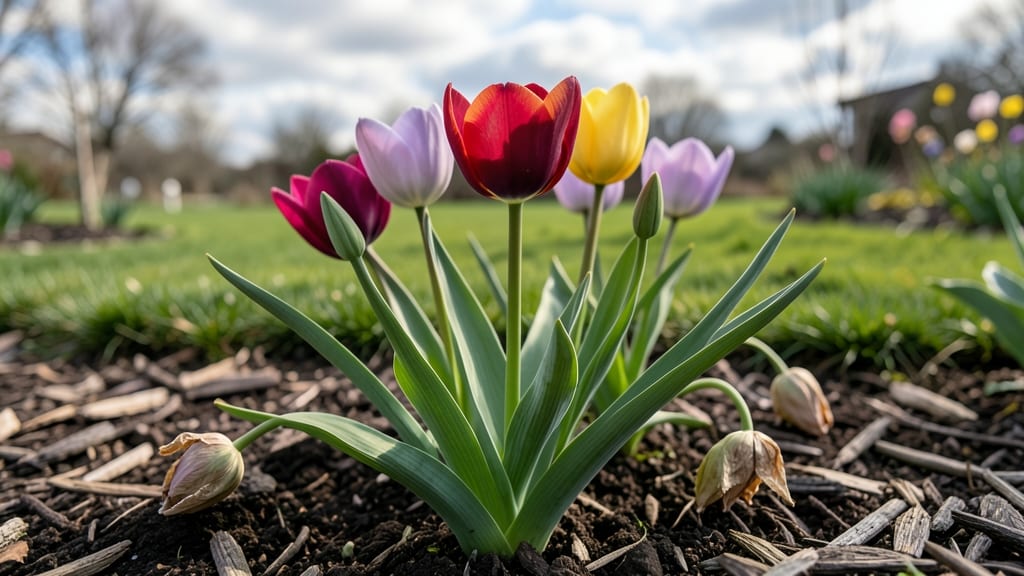
Tulips in Pennsylvania bloom between late April and early May 🌷, but the exact timing depends on your hardiness zone, tulip variety, and even last year’s weather.
If you're dreaming of vibrant tulips brightening your Pennsylvania garden, timing is everything—but when exactly should you expect those cheerful blooms?
The Keystone State’s USDA Zone 6a typically sees tulips pushing through the soil in mid-April, with peak bloom lasting through early May.
Below, I’ll break down how to adjust planting schedules, choose the right varieties, and even stretch your tulip season by 4-6 weeks with simple tricks.
Pennsylvania tulip blooming timeline by hardiness Zone (exact months)
Pennsylvania's 6 hardiness zones (4a-7a) create dramatic differences in tulip bloom timing—sometimes 3-4 weeks apart between northern and southern regions. Understanding these windows helps you select varieties that thrive in your microclimate and plan companion plants for continuous color.
Warmer zones like Zone 7a often see blooms 2 weeks earlier than cooler Zone 4a areas.
Most tulips need 12-16 weeks of chill hours (below 40°F) to bloom reliably, which explains why late-winter planting (November) can sometimes produce earlier spring flowers than traditional fall planting. Pennsylvania's variable spring weather also shifts bloom dates—expect 5-7 day adjustments based on frost patterns.
For example, Philadelphia (Zone 7a) typically blooms 10 days earlier than Erie (Zone 5b).
Now let's break down the exact bloom windows for Pennsylvania's zones, including early vs. late varieties like Darwin Hybrids (tall, late) and Parrot Tulips (exotic, mid-season). This comparison will help you stack varieties for a 6-week bloom extension in your garden.
In Zone 7a, where Philadelphia gardens thrive, you can push the envelope by planting early Dutch varieties like 'Apeldoorn' or 'Queen of Night' as early as October 1st for April blooms. Meanwhile, gardeners in Zone 4a should focus on <
How to extend your Pennsylvania tulip season by 4-6 weeks
Want to enjoy tulip blooms for weeks longer than usual in Pennsylvania? The secret lies in strategic planting and microclimate adjustments. By tweaking your approach, you can push those vibrant petals to appear as early as mid-April or as late as early June.
Let’s dive into the science-backed methods that work in PA’s USDA Zones 5-7.
First, soil temperature is your biggest ally. Tulip bulbs need 40-50°F soil to break dormancy. In colder Zone 5 areas, plant bulbs 6-8 weeks earlier (late August) to give them time to establish roots before frost. In warmer Zone 7 areas, delay planting until mid-October to avoid premature sprouting.
- Plant Early Varieties in Full Sun Spots
Choose early bloomers like 'Ice Cream' or 'Queen of Night' and plant them in south-facing beds where they’ll receive 8+ hours of sunlight. This accelerates growth by 10-14 days.
- Use Mulch Thickness to Control Temperature
Apply 4-6 inches of straw mulch in Zone 5 to insulate bulbs and delay frost damage. In Zone 7, use 2 inches of mulch to keep soil cooler and extend blooming.
- Plant Bulbs Deeper in Urban Areas
Urban heat islands can cause bulbs to sprout too early. Plant them 8-10 inches deep to delay emergence. In rural areas, 6-8 inches is ideal.
- Layer Varieties by Bloom Time
Plant early, mid, and late-season tulips in the same bed. For example, pair 'Fosteriana' (early) with 'Darwin Hybrids' (mid) and 'Parrot Tulips' (late) for a 6-week display.
- Fertilize with High-Phosphorus in Fall
Add a 5-10-10 fertilizer at planting time to boost root growth. This ensures bulbs have the energy to produce larger, longer-lasting blooms.
Don’t overlook the power of microclimates. Urban gardens often heat up faster than rural ones, so plant shade-tolerant varieties like 'Frans Hals' near buildings to delay blooming. Conversely, rural areas with cooler nights can benefit from windbreaks to protect emerging shoots.
For a guaranteed 4-6 week extension, combine these strategies: plant early varieties deep in well-draining soil, mulch appropriately, and layer multiple bloom times. With these tweaks, your Pennsylvania garden could burst into tulip color from April through June!
Pro tip: Mark your planting locations with stakes so you remember where each variety is planted. This helps track which bulbs are performing best in your specific microclimate for future adjustments 🌷.