
Blooming
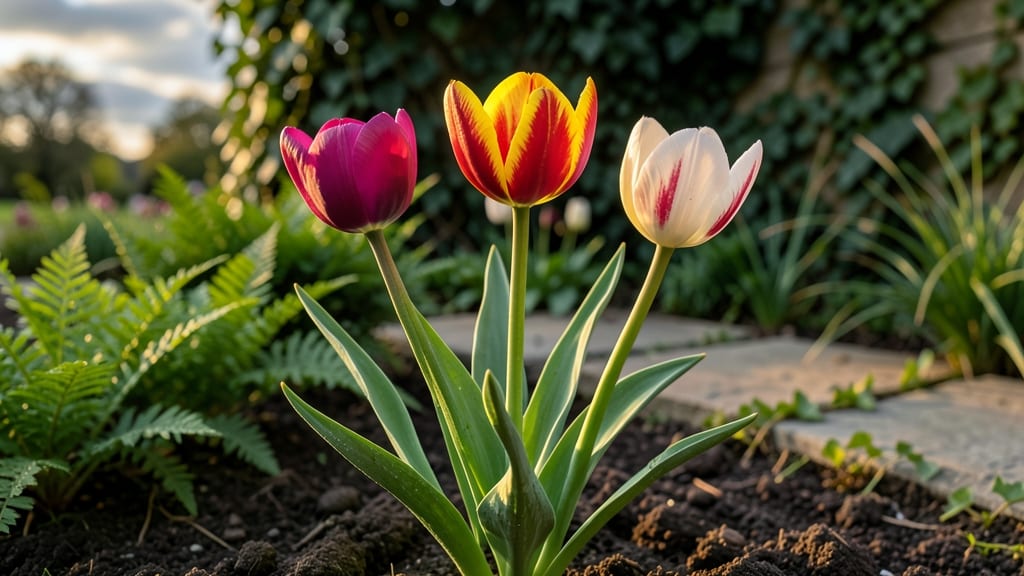
Tulips in Wisconsin bloom between late April and early May, but the exact timing depends on your hardiness zone and the variety you plant.
Picture this: you’ve spent weeks waiting, and then—bam!—your 🌷 tulips pop through the thawing soil, brightening up a chilly Wisconsin spring.
But here’s the catch: if you’re in 5a (Northern WI), blooms might linger until early May, while gardeners in 6b (Southern WI) could see them as early as mid-April.
Chill hours—3,200 to 4,500—are the secret sauce. Wisconsin’s winters deliver, but planting too late or skipping the fall window (September to November) can leave you with flops instead of flowers. The good news? With the right timing and variety, you can stretch that bloom season for weeks.
Below, I’ll break down the zone-by-zone timeline, the best early and late bloomers for Wisconsin, and how to cheat spring’s unpredictable mood swings to keep your tulips showing off longer.
Wisconsin tulip bloom timeline by USDA hardiness Zone
Wisconsin’s USDA Hardiness Zones 3–5 create a unique challenge for tulip growers. Unlike milder climates, our chill hours (3,200–4,500) are essential for reliable blooms. Planting too early or late can leave you with no flowers at all—so timing is everything.
Here’s your zone-specific bloom schedule to plan for early, mid-, and late-season varieties.
Northern Wisconsin (Zone 3–4) typically sees tulips emerge 2–3 weeks later than southern areas (Zone 5–6). This delay happens because colder soils take longer to warm. For example, ‘Early Harvest’ tulips might bloom in late April in Zone 5 but wait until early May in Zone 3.
Understanding these shifts helps you choose varieties and adjust planting dates.
🌷
| Zone | Early Bloomers (March–April) | Mid-Season (April–Early May) | Late Bloomers (May) | Planting Window |
|---|---|---|---|---|
| Zone 3 (Northern WI) | ‘Early Harvest’ (late April) | ‘Apeldoorn’ (early May) | ‘White Dream’ (mid-May) | Mid-Sept to early Nov |
| Zone 4 (Central WI) | ‘Red Emperor’ (early April) | ‘Queen of Night’ (late April) | ‘Darwin Hybrid’ (early May) | Late Sept to mid-Nov |
| Zone 5 (Southern WI) | ‘Ice Follies’ (mid-March) | ‘Parrot’ (late March) | ‘Black Parrot’ (early April) | Late Aug to early Dec |
*Bloom times vary by microclimate and snow cover. Adjust for late frosts!
In Zone 3, where winters are harshest, focus on Darwin Hybrid tulips and species tulips like Tulipa tarda. These varieties handle 4,000+ chill hours without hesitation. Plant them 6–8 inches deep by mid-October to ensure roots establish before the ground freezes.
In Zone 5, where winters are milder, you can push planting into early December for varieties like ‘Ice Follies’, which bloom as early as mid-March.
Wisconsin’s late frosts (often until mid-May) can damage early bloomers. To protect your investment, choose mid-to-late season varieties like ‘Darwin Hybrid’ or ‘Fosteriana’. These tulips emerge later, avoiding frost damage while still delivering stunning April–May blooms.
For a longer display, mix early (‘Red Emperor’) and late (‘White Dream’) varieties in the same bed.
🌿
If you’re in Zone 4 or 5, you can experiment with forcing tulips indoors for Christmas blooms. Plant bulbs in late September in pots, then move them to a cool, dark place (40–50°F) until December.
This trick works best with ‘Apeldoorn’ or ‘Queen of Night’, which thrive under these conditions. Just remember: outdoor blooms will still follow the natural timeline based on your zone.
Soil temperature plays a critical role in bloom timing. In Wisconsin, soil typically reaches 50°F (the ideal germination temp) by mid-April in Zone 5 but waits until late April in Zone 3.
Use a soil thermometer to track progress—this helps you predict when bulbs will push through the soil. Pro tip: Mulch with straw after planting to insulate bulbs and encourage even growth.
🪴
For gardeners in Zone 5, where springs arrive earlier, consider double-planting tulips. After your first batch blooms in March–April, replace spent bulbs with late-season varieties like ‘Black Parrot’ for a second wave of color in May.
This technique extends your tulip season by 6–8 weeks and maximizes your garden’s impact. Just ensure you plant the second batch by late September to give roots time to establish.
Finally, don’t overlook chill hour requirements. Tulips need 3,200–4,500 hours below 45°F to bloom reliably. In Zone 3, most varieties meet this need naturally, but in Zone 5, milder winters might leave some tulips dormant or weak.
If you notice fewer blooms year after year, try cold-hardy hybrids like ‘Kaufmanniana’ or ‘Fosteriana’, which handle Wisconsin’s extremes with ease.
How to extend tulip blooms in Wisconsin’s unpredictable spring
Wisconsin’s spring is famously unpredictable—one day sunny, the next snow flurries. These temperature swings can cut your tulip blooms short, but with the right strategies, you can extend their showstopping display. The key?
Combating late frosts, ensuring proper chill hours, and choosing varieties that thrive in your USDA Zone (3-6). Let’s dive into actionable tips to make your tulips bloom longer and brighter.
First, soil preparation sets the stage. Tulips need well-draining soil to prevent rot, especially after heavy Wisconsin rains. Amend your garden beds with compost or sand if your soil feels dense. This improves drainage and helps roots establish faster, so your tulips can bloom earlier and stronger.
A quick soil test for pH (aim for 6.0–7.0) ensures nutrients are available when your bulbs wake up.
Plant early bloomers (March–April) like 'Early Harbingers' or 'White Dream' for a head start. Pair them with late bloomers (May) such as 'Darwin Hybrid' varieties to stretch your bloom time from 4–6 weeks. This variety mix ensures color even if spring hits late.
Apply 3–4 inches of mulch (straw or shredded leaves) after planting to insulate bulbs from temperature swings. Remove mulch in early spring to let sunlight warm the soil and trigger blooming. Avoid thick mulch layers, which can cause rot.
Dig up freshly planted bulbs in late fall and pot them in cool, dark conditions (like a basement). Move pots to bright light when shoots are 2–3 inches tall—they’ll bloom 4–6 weeks earlier than outdoor tulips. Perfect for Easter or Mother’s Day displays!
Use frost cloth or row covers on buds that haven’t opened when frost warnings hit. Even a light freeze can damage emerging blooms. Check your local frost forecast and act fast—tulips are most vulnerable at the bud stage.
Water deeply once a week during bloom time to encourage strong stems. Avoid overhead watering, which can spread fungal diseases like tulip fire. Instead, water at the base of plants in the morning to let foliage dry quickly.
Don’t overlook the power of light placement. Tulips need full sun (6+ hours daily), but in Wisconsin’s short springs, positioning matters. Plant bulbs near south-facing walls or fences to capture extra warmth.
If your garden is shady, opt for tolerant varieties like 'Queen of Night' or 'Frans Hals', which handle partial shade better than others.
Finally, fertilize lightly in early spring with a balanced bulb fertilizer (5-10-10). Skip heavy feeding—tulips rely on energy stored in their bulbs, not fresh nutrients. Too much fertilizer can actually reduce bloom time by encouraging leafy growth over flowers. Let your tulips shine with minimal intervention and maximum impact.
With these strategies, your Wisconsin tulip garden can bloom for weeks, even when Mother Nature throws curveballs. Start with soil prep and variety selection, then protect your blooms with mulch and frost covers. Soon, you’ll have a show-stopping display that rivals any nursery’s spring selection! 🌷