
Pruning
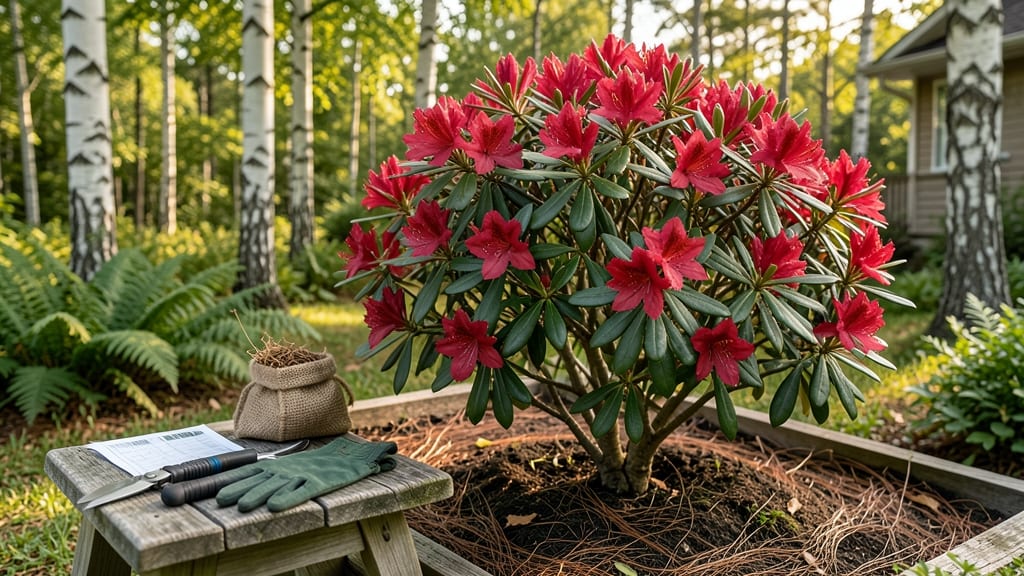
Pruning azaleas that bloom twice a year at the wrong time can mean losing next year’s stunning fall and spring flowers—here’s the exact timing you need to avoid that mistake.
Struggling to keep your 🌸 azaleas thriving? The secret lies in knowing when to prune: too early, and you risk cutting off next year’s buds; too late, and your plant loses its shape. For twice-blooming varieties, timing is everything.
Most gardeners in USDA Zone 6a should prune right after the fall bloom fades—typically in late winter or early spring—but never after early spring buds form. This ensures your azalea puts energy into new growth instead of wasted blooms.
Below, I’ll break down the step-by-step pruning schedule for fall and spring blooms, plus how to shape your shrub without sacrificing next year’s showstopping flowers. No more guesswork—just lush, healthy azaleas year after year.
The critical pruning timeline for twice-blooming azaleas: fall vs spring
Twice-blooming azaleas are a gardener’s dream—vibrant flowers in both fall and spring. But their two-flowering seasons complicate pruning. Cut at the wrong time, and you’ll sacrifice next year’s blooms. The key? Understanding when to prune based on your azalea’s growth cycle.
Unlike once-blooming varieties, these shrubs form fall flower buds in late summer and spring buds in winter. Miss the window, and you risk pruning off next season’s showstopper blooms.
Most gardeners make one of two mistakes: pruning too late in fall after blooms fade or cutting too early in spring before buds swell. Both can leave your azalea looking sparse. The solution?
A two-step pruning schedule—one for late winter (after fall blooms) and one for early spring (before spring buds open). This approach preserves both flowering cycles while keeping your shrub healthy and shaped. Let’s break down the exact month-by-month timeline you need to follow.
| Pruning Stage | Best Time | What to Do | Why It Matters |
|---|---|---|---|
| Post-Fall Bloom Pruning | Late February to Early March | Remove spent blooms and thin crowded branches | Prevents disease and allows energy for spring buds |
| Spring Shaping Prune | Mid-March to Early April | Shape shrub and remove dead/diseased wood | Encourages airflow and prepares for spring blooms |
| Avoid Pruning After | June 15 | Never prune after early summer | Cuts off fall flower buds forming for next year |
| Late Winter Check | January-February | Inspect for bud swell (spring blooms) | Ensures you don’t prune too early |
Your first pruning window opens in late winter (February to early March), right after your azalea’s fall blooms have faded. This is when you should remove any dead, diseased, or crossing branches that could crowd the shrub. The goal here is to clean up without shaping.
Twice-blooming azaleas form their spring flower buds on last year’s wood, so avoid heavy pruning now—focus on light maintenance cuts to prevent stress. Think of this as your post-bloom reset.
By mid-March to early April, you’ll enter the second pruning phase—spring shaping. This is when you can lightly shape your azalea to encourage a fuller look for next year. Look for overly long branches or those growing inward and trim them back by about one-third.
The key is to never cut into old wood (branches over 3 years old), as this removes potential fall flower buds forming for next season. Use sharp, clean pruners to make 45-degree cuts just above a leaf bud.
After April, pruning becomes risky. Once your azalea’s spring blooms open, any cuts you make will remove next year’s fall flower buds, which begin forming in late summer. This is why June 15 is the absolute deadline for pruning twice-blooming azaleas.
If you need to prune after this date, wait until next winter to avoid sacrificing both flowering cycles. Pro tip: Mark your calendar now—June 15 is the hard stop for azalea pruning.
Regional differences matter too. In warmer climates (Zones 8-10), your azalea may stay active longer, so adjust your timeline 2-4 weeks later. For example, if you’re in Zone 9, aim for pruning in March-April instead of February-March.
Always prune after the last hard frost but before new growth appears. Watch for bud swell—this is your cue that spring blooms are forming, and it’s time to stop cutting.
One common mistake I see is over-pruning in fall after the blooms fade. While it might seem logical to tidy up, cutting now removes next year’s fall flower buds, which are already forming. Instead, wait until late winter when the plant
Step-by-step pruning guide: how to cut without killing next year’s flowers
Pruning your twice-blooming azaleas might feel like walking a tightrope—cut too much or at the wrong time, and you risk losing next year’s fall and spring blooms. The key is knowing which branches to trim and when.
Start by focusing on dead, diseased, or crossing branches first, as these can smother healthy growth. Use sharp, clean bypass pruners to make precise cuts just above a bud or leaf node, always cutting at a 45-degree angle to prevent water pooling.
For overgrown azaleas, never remove more than one-third of the plant’s foliage in a single session. This rule applies whether you’re shaping for aesthetics or reviving a leggy shrub.
If your azalea has thick, woody stems, avoid cutting into old wood—this signals the plant to focus energy on new growth instead of flower buds. Instead, target last year’s growth that’s now mature, as these branches hold next year’s blooms.
⚠️ callout warning ⚠️
Pruning azaleas that bloom twice a year requires precision. Never prune after mid-summer—this risks cutting off fall flower buds that form in late summer. For spring bloomers, wait until just after the spring bloom fades (typically April-May). For fall bloomers, prune in late winter (February-March) before buds swell. If you miss these windows, you’ll sacrifice next year’s flowers.
🌸 Pro Tip: Mark your calendar for February 15th—this is the safest late-winter date for most USDA Zone 6-9 regions.
To revive an overgrown azalea, focus on thinning out dense areas to improve airflow and sunlight penetration. Look for water sprouts (tall, thin stems growing straight up) and remove them entirely—these drain energy from the plant.
Use your pruners to make cuts just above a healthy bud, angling slightly downward to encourage outward growth. For large branches, use loppers or a pruning saw and seal the cuts with pruning sealant to prevent disease.
After pruning, sterilize your tools with rubbing alcohol to avoid spreading bacterial or fungal infections. Azaleas are prone to powdery mildew and root rot, so clean cuts are non-negotiable. Water the base of the plant deeply to help it recover, but avoid overwatering, which can suffocate roots.
Mulch around the root zone with pine bark or pine needles to maintain acidic soil conditions (pH 4.5–6.0) and retain moisture.
One of the biggest mistakes is pruning for aesthetics over health. Avoid shearing azaleas into tight, rounded shapes—this encourages dense, weak growth and reduces flowering. Instead, use the open-center pruning method: Remove older, inner branches to let light reach the center, where new growth (and blooms) will emerge.
This method also reduces pest issues like spider mites, which thrive in shaded, crowded foliage.
Finally, monitor your azalea’s response after pruning. Healthy new growth should appear within 4–6 weeks of spring pruning. If you see yellowing leaves or stunted growth, it may indicate over-pruning or nutrient deficiency.
In this case, apply a balanced acid-loving fertilizer (like 10-10-10) and keep the soil consistently moist. With the right cuts and care, your azalea will reward you with vibrant blooms in both fall and spring.