
Blooming
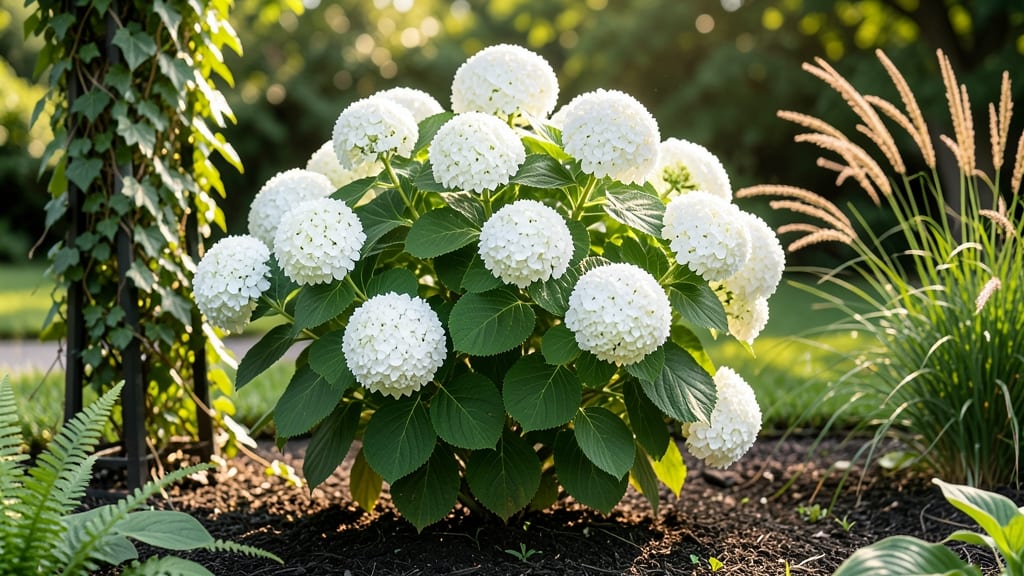
The white wedding hydrangea bloom time transforms your garden into a dreamy, cloud-like display of creamy spikes between June and August. But here’s the catch: timing isn’t just about the calendar—it’s about your zone, your pruning habits, and even how much you water.
Skip the right steps, and you might end up with buds that never open or blooms that fade too soon.
In this guide, I’ll break down the exact months to expect flowers in your USDA zone, how to adjust care for longer-lasting blooms, and the one pruning mistake that kills early blooms.
Ready to turn your garden into a hydrangea haven? Let’s dive into the secrets of peak bloom time and how to keep those creamy flowers coming back year after year.
When do white wedding hydrangeas bloom? Month-by-month by USDA Zone
White wedding hydrangeas (Hydrangea paniculata cultivars like 'Limelight' and 'Grandiflora') are prized for their creamy-white, cone-shaped blooms that transform gardens into dreamy wedding backdrops. But their bloom timing varies dramatically by USDA zone, climate, and even pruning habits.
In cooler northern zones (3-5), blooms often arrive earlier, while warmer southern zones (8-10) may see delayed or prolonged flowering. Understanding these patterns helps you time plantings, pruning, and care for maximum impact.
The key to predicting bloom time lies in temperature cues and daylength changes. These hydrangeas are late-season bloomers, meaning their flower buds form on new wood (current year’s growth) rather than old wood.
This makes them highly adaptable to pruning—but also means their timing shifts based on when spring warmth triggers growth. In Zone 6a (like Chicago or Denver), for example, buds typically swell in mid-April, while in Zone 9a (like Orlando), they may not appear until late May.
Here’s the month-by-month breakdown of when to expect blooms across USDA Zones 3-10, including early, peak, and late-season variations for 'Limelight' and 'Grandiflora' cultivars. Use this as your gardening calendar to plan pruning, fertilizing, and even wedding photo shoots!
| USDA Zone | Early Bloom (First Buds) | Peak Bloom | Late Bloom (Fading) | Notes |
|---|---|---|---|---|
| Zones 3-4 (e.g., Minneapolis, Buffalo) | Late May | June 15–July 15 | Early August | Cold snaps delay buds; prune in early spring (March). |
| Zones 5-6 (e.g., Chicago, Denver) | Mid-May | June 20–July 20 | Mid-August | Ideal for wedding season (June–July). Prune in late winter. |
| Zones 7-8 (e.g., Atlanta, Los Angeles) | Late May–Early June | July 1–August 15 | Late August–September | Hot summers may prolong blooms; prune after first frost. |
| Zones 9-10 (e.g., Miami, Phoenix) | June–July | August–September | October–Early November | Blooms later and longer; prune in winter (Dec–Jan). |
Notice how warmer zones push blooms into late summer and fall, while cooler zones see them peak in mid-to-late summer. This shift happens because higher temperatures accelerate growth, but also increase evaporation, which can stress plants if not watered consistently.
In Zone 9-10, for example, hydrangeas may bloom until November, but their flower quality suffers without afternoon shade to protect them from intense heat.
Climate isn’t the only factor—pruning timing also shifts bloom windows. If you prune too late (after buds form), you’ll delay blooms by 4–6 weeks. Conversely, pruning too early (before last frost) can remove next year’s flower buds.
For 'Limelight' and 'Grandiflora', the sweet spot is pruning in late winter or early spring (just as buds swell). In Zone 5-6, this means March–April; in Zone 9-
How to extend white hydrangea bloom time with pruning and care
Your white wedding hydrangeas (Hydrangea arborescens) can bloom for up to 3 months with the right care, but improper pruning or neglect can cut that time in half.
The secret lies in timing your cuts, adjusting soil pH, and protecting them through winter. Let’s unlock those creamy spikes’ full potential—starting with when to prune.
Most gardeners make one critical mistake: pruning at the wrong time of year. For white wedding hydrangeas, late winter or early spring (just as buds swell) is ideal.
This encourages new growth that will bloom on current-year stems, extending your display. Avoid cutting back in fall—this removes next year’s flower buds.
Step-by-Step Guide to Maximize Bloom Time
-
Step 1: Prune in Late Winter/Early Spring
Cut back 1/3 of the plant to just above a bud or pair of leaves. Use clean, sharp pruners to avoid tearing stems. -
Step 2: Adjust Soil pH to 5.5-6.5
Test your soil and amend with sulfur (to lower pH) or lime (to raise pH). Acidic soil enhances flower production and vibrancy. -
Step 3: Water Deeply 2-3 Times Weekly
Apply 1-2 gallons per plant in the morning to prevent fungal issues. Mulch with 3 inches of organic mulch to retain moisture. -
Step 4: Fertilize in Early Spring Only
Use a balanced 10-10-10 fertilizer (1 tbsp per plant) after pruning. Avoid summer feeding—it promotes leafy growth over blooms. -
Step 5: Protect in Winter
Wrap young plants in burlap or apply 3 inches of mulch around the base. In Zone 5 or colder, cover with straw to prevent frost damage.
Don’t forget to remove spent blooms in late fall or early winter. This might seem counterintuitive, but it prevents the plant from wasting energy on seed production. Instead, focus that energy on next year’s buds, which form on new growth.
Avoid these common mistakes that shorten bloom time:
- Pruning in fall or summer (removes flower buds)
- Over-fertilizing with high-nitrogen (promotes leaves, not blooms)
- Planting in full sun (causes leaf scorch, reducing blooms)
With these steps, your white wedding hydrangeas will reward you with voluminous, long-lasting blooms from late spring through summer. The key is consistency—prune, feed, and protect at the right times, and you’ll enjoy those dreamy, creamy spikes for months. 🌸