
Blooming
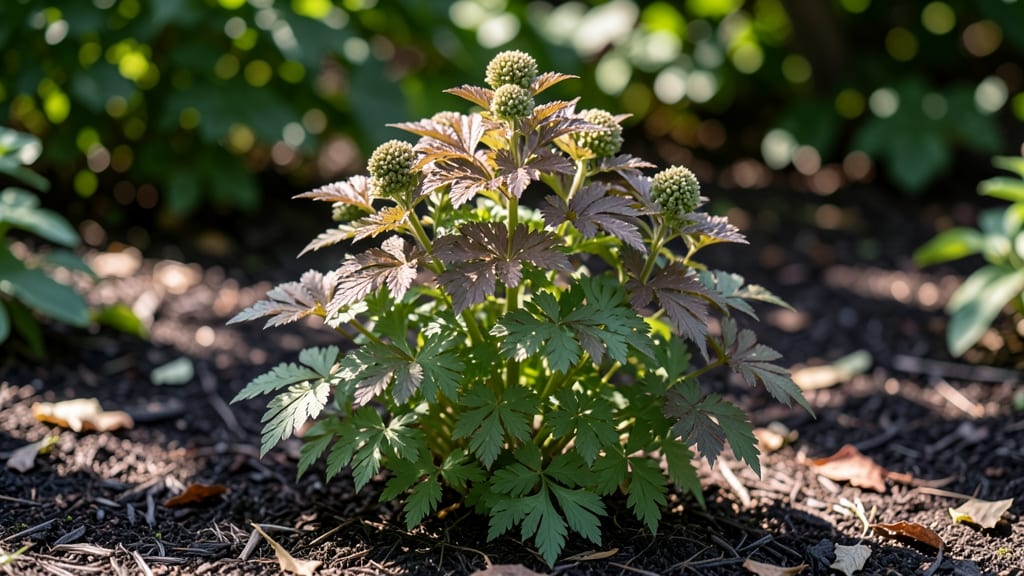
Astilbe will not bloom in its first year, instead dedicating energy to developing a robust root network and vibrant foliage. Most cultivars need 1-2 growing seasons before showcasing their iconic feathery plumes, though compact varieties like 'Pumila' might produce sparse blooms under perfect conditions and attentive care.
This first-year focus isn't just about patience—it's a survival strategy. 🌱 Astilbe plants prioritize building deep roots to access moisture and nutrients, which directly impacts their future bloom quality.
The trade-off means lush, healthy leaves instead of flowers, but those roots create a stronger foundation for vibrant plumes in years two and three.
I've seen 'Fanal' varieties develop into showstoppers by their second summer when planted in well-draining soil with consistent moisture, proving that proper first-year care sets the stage for spectacular displays.
What surprises many gardeners is how planting timing affects this process. Fall-planted astilbes often skip flowering entirely their first year to focus on root establishment, while spring-planted ones might produce a few stray blooms if given ideal conditions.
The key is balancing patience with the right growing conditions—partial shade, consistent watering, and rich organic matter in the soil all help coax those feathery blooms along just a little faster.
💡 In This Article
- Why Astilbe Takes Time to Bloom: Growth Stages Explained
- Fastest-Blooming Astilbe Varieties and Care Tips
Why astilbe takes time to bloom: growth stages explained
Astilbe's delayed flowering is rooted in its survival strategy, where the plant prioritizes root development over above-ground growth.
During the first year, energy (about 70% of its resources) goes toward establishing a fibrous root system that can reach 12-18 inches deep—critical for accessing water and nutrients in its native woodland habitats.
This deep root system creates a stable foundation for future blooms, much like how a tree invests years in root growth before producing fruit. 🌱
The trade-off between foliage and flowers is governed by plant hormones, particularly auxin and cytokinins. Auxin, produced in young leaves, suppresses flowering until the root system reaches a critical mass. Meanwhile, cytokinins—produced in roots—signal when it's safe to allocate energy toward blooms.
Most astilbe varieties only begin this hormonal shift in their second growing season, which explains why you'll see dense, fern-like leaves but no plumes during year one.
Variety plays a significant role in bloom timing. Astilbe chinensis types, like 'Pumila', are the exceptions, sometimes producing sparse blooms in their first year when given optimal conditions: partial shade, consistently moist (but not soggy) soil, and a pH between 6.0-6.5.
These dwarf varieties have a faster growth rate due to their smaller stature, allowing them to allocate energy more quickly. In contrast, larger varieties like 'Fanal' may take up to three years to reach peak bloom potential because their root systems require more time to establish.
Planting time dramatically impacts first-year performance. Fall-planted astilbes focus entirely on root growth before winter, often skipping flowering entirely. Spring-planted ones, however, might produce a few stray blooms if given ideal conditions, as they have more time to establish before the first frost.
This is why gardeners in USDA zones 5-8 often see better first-year results with spring planting—those extra summer months allow for some early bloom experimentation.
Light exposure also influences this process. Astilbe thrives in partial shade (3-6 hours of morning sun), where it avoids the stress of intense afternoon rays. Too much sun diverts energy toward protecting leaves from heat damage, delaying bloom production.
The right balance of shade and moisture creates optimal conditions for both root development and eventual flowering, making location just as important as timing.
What most gardeners don't realize is how soil quality affects this timeline. Amending planting beds with 2-3 inches of compost or well-rotted manure provides the phosphorus and potassium needed for robust root growth.
Without these nutrients, astilbe may take even longer to bloom, as it must first build its own nutrient reserves through leaf production. This is why established plants often bloom more prolifically—they've already stored energy in their roots.