
Blooming
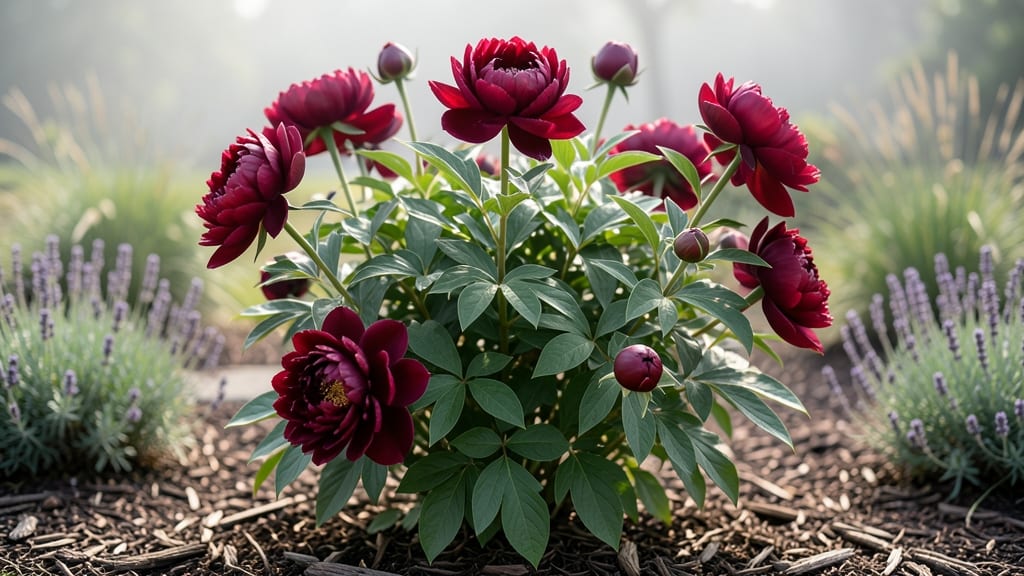
Will peonies bloom twice? Most peonies bloom once per season, but some herbaceous varieties may rebloom under ideal conditions—proper pruning, balanced fertilization, and consistent care after the first flush. Tree peonies rarely rebloom, while intersectional hybrids offer the best chance for a second bloom with diligent maintenance.
Peonies' blooming habits depend entirely on their type and how you care for them. 🌸 Herbaceous peonies, which die back to the ground each winter, store energy in their roots—this stored energy fuels their first bloom.
If you provide the right conditions, some varieties can store enough energy to produce a second, smaller bloom later in the season. Tree peonies, on the other hand, are woody shrubs that bloom on old wood, making them less likely to rebloom.
The key to encouraging a second bloom lies in consistent care: regular watering, proper pruning after the first bloom, and feeding with a balanced fertilizer high in phosphorus to support root development.
Even with the best care, not all peonies will rebloom. Intersectional hybrids—crosses between herbaceous and tree peonies—are your best bet for a second show. These varieties often produce a modest rebloom in late summer or early fall, provided they've had enough sunlight and nutrients.
Think of it like training for a marathon: the more you nurture your peonies, the better their performance will be. Patience is key, as it can take a few seasons of proper care before you see that second flush of blooms.
💡 In This Article
- Why Most Peonies Bloom Only Once
- How to Encourage a Second Peony Bloom
Why most peonies bloom only once
The peony's single-bloom habit stems from its energy allocation strategy. Herbaceous peonies store carbohydrates in their thick, fleshy roots during the growing season, which they convert into sugars for winter survival.
These stored reserves fuel the dramatic spring bloom—often the plant's only major energy expenditure for the year. 🌱 Once the first flush of blooms appears, the plant prioritizes root and foliage growth over additional flowers, as the roots need time to replenish their energy stores for next year's cycle.
Tree peonies take this a step further by blooming on old wood—the previous year's growth. Their woody stems can't regenerate flower buds like herbaceous varieties, making reblooming biologically challenging. The plant's energy is already committed to maintaining its established structure rather than producing new blooms.
Light exposure plays a critical role too: peonies require 6-8 hours of direct sunlight daily to set flower buds. Insufficient light means the plant can't generate enough energy to support multiple blooming cycles.
Seasonal dormancy further limits reblooming potential. After the first bloom, peonies enter a semi-dormant state where they focus on root development rather than flower production. This physiological shift is triggered by day length and temperature changes—similar to how deciduous trees prepare for winter.
The plant's internal clock, governed by photoperiodism, signals it's time to conserve energy rather than produce more flowers.
Consider the Kansas' variety—a popular intersectional hybrid—blooms its first flush in late spring, but any potential second bloom must compete with the plant's need to harden off for winter.
The trade-off between flower production and survival is hardwired into peony genetics. Even with ideal growing conditions, most varieties can't produce a second bloom because their biological priorities lie elsewhere.
What makes this fascinating is how peonies manage this delicate balance. The plant's vascular system transports nutrients from leaves to roots during the growing season, creating a nutrient sink that favors root growth over flower buds.
This natural mechanism explains why even well-fed peonies rarely produce a second flush without human intervention.
For those wondering why some peonies do rebloom, it's often a result of careful cultivation practices that override these natural tendencies. The key is understanding how to work with—not against—the plant's biological rhythms. 💫