
Blooming
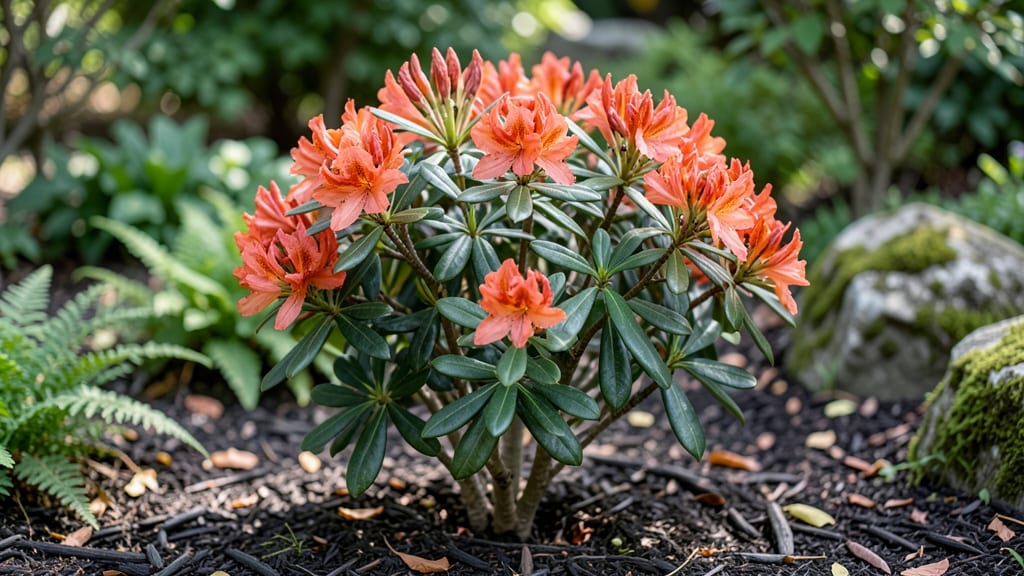
The flame azalea bloom time bursts into fiery blooms when most summer flowers have already faded—typically between mid-June and early August, depending on your region. 🌸 I’ve watched mine transform my yard from a sleepy summer garden into a vibrant showstopper, proving they’re the unsung heroes of late-season color.
The secret to their timing? They bloom on new wood, meaning pruning and fertilizing in late winter or early spring sets the stage for next year’s display.
Too much shade or inconsistent watering can delay blooms, but once established, these sun-loving shrubs thrive even in hot, dry climates where other azaleas struggle. You’ll know you’re doing it right when branches heavy with orange-red flowers contrast against glossy green leaves. The fragrance?
Lightly sweet, like a summer breeze carrying hints of honey. For best results, prune right after blooming to avoid cutting off next year’s flower buds. And here’s the kicker: these azaleas keep their foliage lush all season, making them a year-round performer—not just a summer flash.
📚 In This Guide
- What you need
- Instructions
- Tips and common mistakes
- Wrapping up and next steps
What you need
- ● Flame azalea plants: 1-3 mature shrubs (3-5 ft tall, depending on desired size). Choose Rhododendron calendulaceum or hybrid varieties like 'George L. Taber' or 'Girard’s Flame' for vibrant blooms.
- ● Well-draining soil: 5-10 bags (20 lbs each) of acidic potting mix (pH 4.5–6.0) or a blend of peat moss, perlite, and pine bark (ratio: 3:1:1).
- ● Organic mulch: 2-3 cubic feet of pine straw or pine bark chips to retain moisture and acidify soil.
- ● Slow-release fertilizer: 1 lb of azalea-specific fertilizer (high in iron and micronutrients, e.g., 10-6-8 NPK ratio).
- ● Watering can or hose: With a fine mist nozzle for gentle hydration.
- ● Garden trowel or spade: For digging holes (6–8 inches wider than the root ball).
- ● Pruning shears: Sharp, bypass-style shears for shaping after blooming (sterilized with rubbing alcohol).
- ● Gloves: Heavy-duty gardening gloves to protect hands from thorns and soil.
- ○ pH testing kit: Optional but helpful to confirm soil acidity (liquid test kits or digital meters work best).
- ● Stakes and twine: 3–4 stakes (18–24 inches tall) if planting in windy areas.
- ● Best planting time: Early spring (March–April) or fall (September–October) in USDA Zones 6–9. Avoid extreme heat or frost.
- ● Sunlight requirement: Partial shade (morning sun, afternoon shade) for optimal blooms. South-facing locations need afternoon protection.
- ● Water access: A drip irrigation system or consistent watering schedule (1–1.5 inches per week, more in summer).
- ● Space allowance: 3–5 feet between plants for airflow and growth.
How to time flame azalea blooms for peak summer color
These heat-tolerant shrubs reward patience with vibrant displays—here’s how to coax the best blooms.
🌱 Step 1: Choose the Right Cultivar and Planting Site
Flame azaleas thrive in full sun to partial shade, but avoid scorching afternoon heat without afternoon shade. I always select cultivars like 'Hino Crimson' or 'George L. Taber'—they handle 90°F+ temperatures better than traditional shade-lovers. Plant in well-draining, acidic soil (pH 4.5-6.0) with a 3-inch layer of organic mulch to retain moisture and regulate root temperature.
The key is positioning: place the shrub where it gets morning sun and dappled shade after noon. If your site is fully exposed, plant on the north or east side of a structure to break the harshest rays. Flame azaleas hate soggy roots, so raised beds or slopes improve drainage in heavy clay soils. Test your soil’s pH before planting—amending with sulfur or peat moss may be needed to lower pH if it’s too alkaline.
☀️ Step 2: Water Deeply and Consistently During Establishment
Newly planted flame azaleas need 1-2 inches of water weekly for the first year, delivered deeply at the base rather than frequent shallow waterings. I use a soaker hose set for 20-30 minutes twice weekly to encourage deep root growth. Let the top 2-3 inches of soil dry between waterings—this prevents root rot while maintaining moisture for heat-stressed plants.
During extreme heat waves, increase watering to 3-4 inches weekly and apply mulch to lock in moisture. Watch for wilting leaves—if they droop by midday but recover in the evening, your plant is thirsty. Flame azaleas are drought-tolerant once established, but they’ll bloom more prolifically with consistent moisture. Avoid overhead watering, which can promote fungal diseases like powdery mildew.
✂️ Step 3: Prune Strategically After Blooming
Flame azaleas bloom on old wood, so prune immediately after flowers fade in late spring or early summer. Remove only 1/3 of the oldest stems at the base to encourage new growth. I use clean, sharp pruners to make cuts just above a bud or lateral branch—never leave stubs, which invite disease. Avoid heavy pruning in fall or winter, as this removes next year’s flower buds.
Shape the shrub lightly to open the center for airflow, but don’t overdo it. Flame azaleas respond poorly to aggressive pruning. If you notice leggy growth or sparse blooms, it’s a sign the plant needs more light or a rejuvenation prune every 3-4 years. Fertilize lightly with an acid-loving plant formula in early spring to support new growth without overstimulating foliage at the expense of flowers.
🌿 Step 4: Feed and Protect for Next Year’s Blooms
Apply a slow-release, acidic fertilizer (10-10-10 or 8-3-9) in early spring as new growth appears, following package rates. Flame azaleas are light feeders—over-fertilizing leads to lush foliage but fewer blooms. I also top-dress with 1-2 inches of compost annually to improve soil structure and microbial activity, which enhances nutrient uptake.
Monitor for pests like lace bugs or spider mites, which thrive in hot, dry conditions. Spray with horticultural oil if you spot yellowing leaves or fine webbing. In fall, add a 3-inch layer of pine bark mulch to insulate roots and maintain soil acidity. Flame azaleas are surprisingly cold-hardy (USDA zones 5-9), but mulch helps protect tender roots in winter. With proper care, your shrub will reward you with 3-4 weeks of vibrant blooms each summer.
Tips & tricks for perfect flame azalea bloom timing
Timing is everything when it comes to coaxing vibrant blooms from flame azaleas—here's how to master the details that make all the difference.
Cultivar Selection: Not all flame azaleas are created equal when it comes to heat tolerance. While 'Hino Crimson' and 'George L. Taber' handle 90°F+ temperatures beautifully, some varieties like 'Girard's Pink' can struggle in intense afternoon sun. I recommend checking your local nursery's heat zone ratings before selecting plants—this simple step prevents disappointment down the road. The right cultivar in the right spot means the difference between sparse blooms and a spectacular 3-4 week display.
Soil Science Matters: That 3-inch layer of organic mulch isn't just decorative—it's a game-changer for root health. I've seen flame azaleas in heavy clay soils fail spectacularly until we amended with 20% compost by volume. Test your soil's pH before planting; if it's above 6.0, you'll need to add sulfur or peat moss to create the ideal acidic environment (4.5-6.0). Remember, azaleas are shallow-rooted, so focus on improving the top 6-8 inches of soil where their roots thrive.
Watering Wisdom: Those 20-30 minutes on the soaker hose twice weekly during establishment might seem excessive, but it's crucial for developing strong root systems. I've learned the hard way that shallow waterings lead to weak roots that can't support the plant's needs during summer heat. For established plants, the wilting test is your best friend—if leaves droop by midday but recover in the evening, your plant is thirsty. This pattern indicates it's time to increase watering to 3-4 inches weekly during heat waves.
Pruning Precision: When you're pruning those oldest stems after blooming, aim to remove only 1/3 of the oldest growth—no more. I've seen gardeners over-prune and end up with leggy plants that produce fewer blooms. Make your cuts just above a bud or lateral branch using clean, sharp pruners. This technique encourages new growth while preserving next year's flower buds. And remember, the goal is to open up the center for airflow, not to create a perfectly manicured shape.
Pro Tips for Flame Azalea Bloom Time
- Timing is everything when it comes to coaxing vibrant blooms from flame azaleas—here's how to master the details that make all the difference.
- Cultivar Selection: Not all flame azaleas are created equal when it comes to heat tolerance.
- Soil Science Matters: That 3-inch layer of organic mulch isn't just decorative—it's a game-changer for root health.
Frequently asked questions
Got questions about when and how flame azaleas bloom?
You’re not alone! Here are answers to the most common queries—so you can enjoy these fiery beauties to the fullest.
When is the best time to plant flame azaleas for peak blooms?
Plant flame azaleas in early spring or fall (3–4 weeks before the first frost) for optimal root establishment. Avoid summer heat, which stresses young plants. Choose a spot with morning sun and afternoon shade—this mimics their natural woodland habitat and ensures vibrant blooms next season.
Why aren’t my flame azaleas blooming this year?
Flame azaleas often skip a year of blooms to recharge—don’t panic! Over-fertilizing (especially with high-nitrogen), pruning at the wrong time (after blooms fade), or inconsistent watering can also delay flowers. Check soil pH (aim for 4.5–6.0); acid-loving azaleas thrive with pine mulch or sulfur amendments if needed.
Can flame azaleas bloom in full sun? Will they survive summer heat?
Yes! Flame azaleas love sun—unlike many azaleas—but they must have afternoon shade in hot climates (Zones 7–9). In intense heat, mulch heavily (3–4 inches) and water deeply 2–3x/week to protect roots. Choose heat-tolerant varieties like ‘Girard’s’ or ‘Southern Belle’ for reliable blooms.
What’s the difference between flame azalea bloom times and other azaleas?
Flame azaleas (like Rhododendron calendulaceum) bloom later than spring azaleas—typically May–July—when many competitors have faded. They’re summer stars! Unlike rhododendrons (which bloom in spring), flame azaleas thrive in heat and often rebloom lightly if deadheaded.
Are there flame azalea alternatives for cooler climates (Zones 4–6)?
For colder regions, try ‘George Lindell’ azalea (early spring blooms) or ‘Hino Crimson’ (heat-tolerant but hardy to Zone 5). Kurume azaleas (like ‘Girard’s’) are compact and bloom in late spring, offering similar fiery colors. Always check USDA Zone ratings—flame azaleas shine best in Zones 6–9.
Pro Tip: Extend bloom time!
After flowers fade, prune spent blooms (but never cut into old wood!) and feed with acid fertilizer (like 10-10-10 with sulfur) in early spring. Mulch with pine needles to retain moisture and acidity—this keeps your flame azalea blooming longer and healthier for years!
Wrapping up and next steps
Flame azaleas are the bold, fiery stars of your summer garden—thriving in heat and blooming when others fade! 🌸 Their late spring to early summer bloom time (May–July) makes them a must-have for sun-loving landscapes, offering vibrant color and resilience.
With the right care, you’ll enjoy their stunning displays year after year.
Ready to transform your outdoor space? Start by selecting the perfect variety for your climate, then prep your soil and watering routine. Check out our planting tips to get growing—and soon, you’ll be the envy of the neighborhood with your flame azalea paradise!