
Flowers
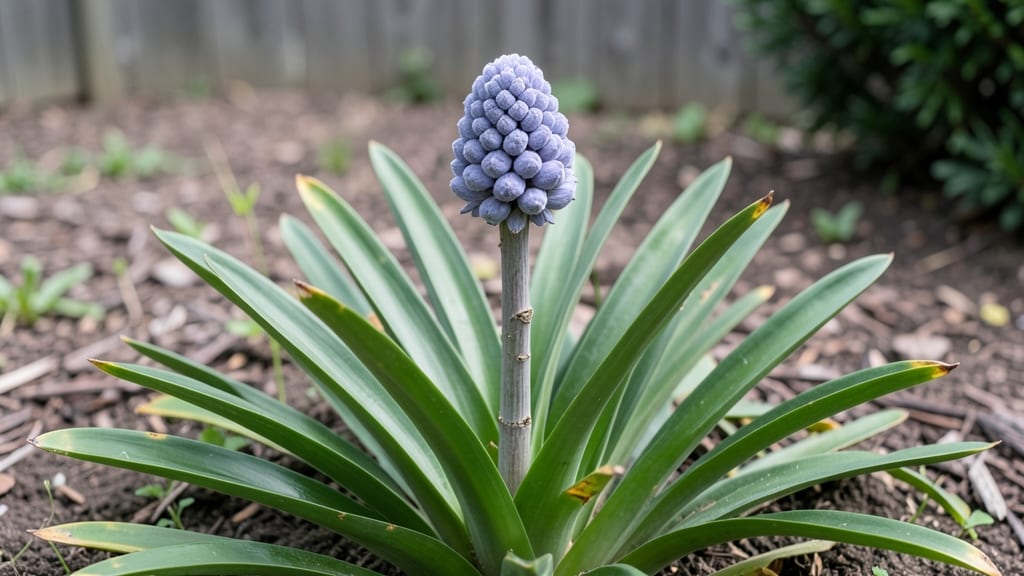
Preparing agapanthus before bloom is the game-changer for bigger, brighter flowers in summer 🌸 — and it starts with smart pruning and feeding.
Your agapanthus plants may look dormant now, but the secret to stunning summer blooms lies in how you prepare them before they flower—pruning at the right time can double their flower power. Skip this step, and you might end up with leggy stems and sparse blooms instead.
In Zone 6a, the best time to prune is late winter or early spring, just as new growth begins. This isn’t just about tidying up—it’s about directing energy where it matters most: into strong stems and vibrant blooms.
Below, I’ll walk you through the exact pruning technique, when to feed for maximum impact, and how to spot signs your agapanthus is ready to burst into color. No guesswork, just results.
When and how to prune agapanthus before blooming season
Pruning your agapanthus at the right time is the key to unlocking healthier stems and more abundant blooms next season. Most gardeners make the mistake of waiting until after flowering, but the best time to prune is late winter or early spring, just as new growth begins.
This timing allows your plants to redirect energy toward stronger roots and flower buds instead of maintaining dead foliage.
When done correctly, this pre-bloom pruning removes last year’s brown, dried leaves while leaving the healthy green growth intact. The goal is to create a clean base without damaging the growing points that will produce next year’s flowers.
Think of it as giving your agapanthus a fresh start before the growing season kicks into high gear.
Step-by-Step Guide to Pruning Agapanthus Before Bloom
-
Step 1: Choose the Right Tools
Use sharp, sterilized pruners or clean garden shears to make precise cuts. Avoid dull tools that can crush stems and invite disease.
-
Step 2: Identify Dead vs. Living Growth
Look for brown, crispy leaves that feel dry to the touch. Healthy leaves will be green and firm—leave these alone.
-
Step 3: Cut at the Right Angle
Make cuts 1/4 inch above a leaf node or where the dead foliage meets the healthy green growth. Angle cuts slightly downward to prevent water pooling.
-
Step 4: Remove Only the Necessary
Never cut more than 1/3 of the plant’s foliage. Over-pruning stresses agapanthus and can reduce next year’s flower production.
-
Step 5: Clean Up the Area
Remove all pruned debris from the base to prevent pests and diseases. Dispose of clippings in yard waste or compost them separately.
-
Step 6: Fertilize Lightly After Pruning
Apply a balanced fertilizer (5-10-10) to encourage new growth. Focus on the root zone and water thoroughly afterward.
🌱 Pro Tip: Prune on a dry, sunny day to help cuts dry faster and reduce disease risk.
Timing is everything when pruning agapanthus. If you prune too early (winter), you risk damaging dormant buds that haven’t emerged yet. Pruning too late (after blooming) removes potential seed heads and weakens the plant for next season.
Aim for late February to early March in most USDA Zone 7-10 regions, adjusting slightly based on your local frost dates.
After pruning, monitor your agapanthus for signs of new growth, which should appear within 2-4 weeks. Healthy regrowth looks like bright green shoots emerging from the center. If you notice yellowing leaves or stunted growth, it may indicate over-pruning or nutrient deficiency.
In this case, adjust your care routine by adding compost or organic matter to the soil.
One common misconception is that agapanthus don’t need pruning because they’re low-maintenance plants. While they’re drought-tolerant once established, proper pruning ensures they thrive and produce larger, more vibrant blooms. Think of it as a spring reset—just like giving your garden a fresh start after winter.
For container-grown agapanthus, the pruning process is the same, but pay extra attention to root health. Since pots have limited space, over-pruning can crowd the roots. If your plant is root-bound, consider repotting in early spring after pruning to give it more room to grow.
Finally, keep an eye out for pests like spider mites or fungal issues after pruning. These problems often appear when plants are stressed. If you notice tiny webs or black spots on leaves, treat them immediately with neem oil or insecticidal soap to protect your agapanthus’ recovery.
With the right timing and technique, your agapanthus will reward you with taller stems and more dramatic blooms next season. This simple late-winter pruning is one of the easiest ways to boost your garden’s summer spectacle—without extra effort! 🌸
Common agapanthus pruning mistakes that kill blooms
Pruning agapanthus seems simple—just trim the dead leaves, right? But aggressive cuts or wrong timing can starve your plant of energy, leaving you with sparse blooms or no flowers at all. I’ve seen gardeners accidentally turn lush agapanthus into bare stalks by making these critical mistakes.
Even well-intentioned pruning can backfire if you don’t follow seasonal rules. For example, cutting back too late in spring removes next year’s flower buds before they form. Or worse, over-pruning leaves no foliage to feed the roots, weakening the entire plant.
Cutting at the wrong time (after March 15) risks removing flower buds that form underground. Always prune dead leaves only—never more than 1/3 of the plant—or you’ll shock the roots and delay blooming.
🌱 Pro Tip: Use sharp bypass pruners to avoid crushing stems, and sterilize tools between cuts to prevent disease spread.
Another common mistake is ignoring stem health—pruning only the top leaves while leaving rotting bases or pest-damaged stems behind. These hidden issues drain energy, leaving your agapanthus weak for summer blooms. Always inspect stems for black spots or soft rot before cutting.
I once saw a gardener over-prune agapanthus in early spring, leaving only 2-inch stubs. By summer, the plant produced half the usual blooms because it spent all its energy regrowing leaves instead of flowers.
The rule is: Never cut below the lowest healthy leaf—this ensures the plant retains enough foliage for photosynthesis.
Timing is everything. Pruning too early (before late winter) leaves agapanthus vulnerable to frost damage, while cutting too late (after bloom buds appear) removes next year’s flowers. The ideal window is February to early March, when old leaves are brown but new growth hasn’t started yet.
Finally, skipping post-prune care undoes all your hard work. After trimming, agapanthus needs fertilizer (use high-phosphorus for blooms) and consistent watering to recover. Without this, your plant may look healthy but produce fewer flowers the following year.
By avoiding these mistakes, your agapanthus will reward you with denser, longer-lasting blooms—and you’ll skip the frustration of bare stalks in summer. Start with clean cuts and seasonal timing, and your plants will thrive! ✂️