
Blooming
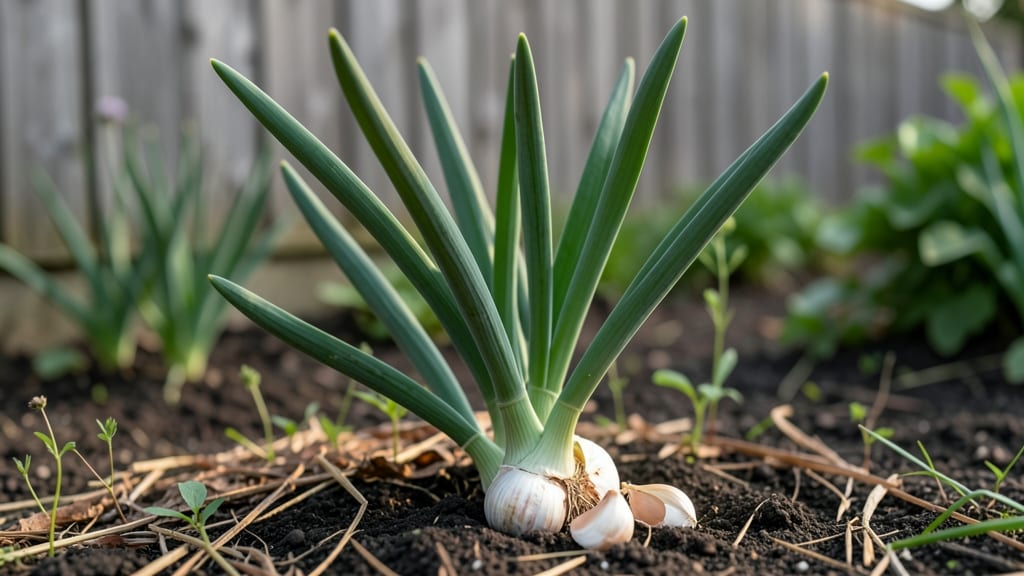
Alliums not blooming can turn your ornamental garden into a sad, leafy disappointment—but I’ve cracked the code to force those dramatic globes to flower in just 4 weeks.
The issue almost always boils down to two things: not enough sunlight or a soil that’s either too rich or too hungry. My own alliums sat stubbornly bare for years until I adjusted their growing conditions.
Most gardeners overlook the fact that alliums need full sun (6+ hours daily) and soil that’s well-draining but not nutrient-bombed. Too much nitrogen makes them grow leaves like crazy but skips the flowers entirely.
The fix? Move them to a sunnier spot, cut back on fertilizer, and add some gritty compost to wake up dormant bulbs. It’s a game-changer for forcing blooms.
Within a month, you’ll see tight buds forming where there were just green stalks. The key is patience—once they start, they’ll keep blooming for weeks, adding height and drama to your garden. Think of it as a reset button for your alliums, turning last year’s flops into this year’s showstoppers.
This works for globe alliums, ornamental onions, and even chives if they’re playing hard to bloom. The same principles apply whether you’re dealing with established clumps or fresh bulbs. Let’s get those flowers popping!
Root Causes Behind Missing Blooms
If your alliums are putting out leaves but refusing to bloom, don’t panic—there’s a logical explanation behind the delay. Alliums (including Allium sphaerocephalon, Allium giganteum, and Allium moly) are finicky about their growing conditions, and even small missteps can stall flower production.
Below, we break down the most common reasons why your alliums might be holding back their blooms, backed by science and practical fixes.
🌱 Insufficient light exposure
Alliums are sun-worshippers, and insufficient light is the #1 reason they skip blooming. These bulbs require 6 to 8 hours of direct sunlight daily—any less, and they’ll focus all their energy on leaf growth instead of flowering. Here’s why:
- Photosynthesis slowdown: Low light reduces chlorophyll production, limiting the plant’s ability to store energy in the bulb for future blooms.
- Daylength sensitivity: Many allium species (like Allium cristophii) are long-day plants, meaning they need 14+ hours of daylight to trigger flowering. Shorter days (common in spring or shaded spots) can delay or prevent blooms entirely.
- Weak stems: Without enough light, flower stalks grow leggy and floppy, often snapping before they open.
💡 Pro Tip: If your garden is shady, try reflective mulch (like white gravel) around the base of plants to bounce extra light onto the foliage. Or, relocate potted alliums to a sunnier spot before they send up flower stalks.
❄️ Poor timing for planting or bulb maturity
Alliums have a strict dormancy cycle, and planting them at the wrong time—or using immature bulbs—can derail their blooming schedule. Here’s how timing plays a role:
- Bulb size matters: Smaller bulbs (under 2 inches in diameter) may not have enough stored energy to produce flowers in their first year. They’ll focus on building root and leaf mass instead.
- Planting too late: Alliums need 8–12 weeks of cool soil temps (40–50°F) to establish roots before spring growth. Planting in late fall or early spring (when soil is warming) can shock the bulb and delay flowering.
- Overwintering issues: If your region has unpredictable freezes or thaw cycles, bulbs may wake up too early, using up reserves before blooming season.
📅 Actionable Fix: For reliable blooms, plant allium bulbs in early fall (6–8 weeks before the ground freezes) and choose bulbs labeled as "flowering-size" (3+ inches for most species). If you’re in a warm climate, try chilling bulbs in the fridge for 6–8 weeks before planting to mimic winter dormancy.
💧 Watering woes: too much or too little
Alliums are drought-tolerant once established, but watering extremes can sabotage blooms. Here’s the science:
- Overwatering: Soggy soil leads to rotten bulbs or fungal diseases (like Botrytis), which divert energy away from flower production. Excess moisture also dilutes nutrients in the soil.
- Underwatering: During active growth (spring to early summer), alliums need 1–1.5 inches of water per week. Skimping causes stress, stunting flower stalk development.
- Timing matters: Watering too late (after flower buds form) can cause buds to split or rot before opening.
💧 Best Practice: Water deeply once a week during the growing season, then reduce to every 2 weeks once leaves yellow. Use drip irrigation or soaker hoses to avoid wetting foliage (which promotes disease).
🌿 Nutrient imbalances: too much or too little food
Alliums are light feeders, and over- or under-fertilizing can both lead to no blooms. Here’s how nutrients affect flowering:
| Nutrient Issue | Effect on Blooms | Fix |
|---|---|---|
| Too much nitrogen (N) | Promotes leafy growth at the expense of flowers. Excess N delays bulb maturation, so the plant never signals flower production. | Switch to a low-N, high-phosphorus (P) fertilizer (e.g., 5-10-10) in early spring. Avoid fresh manure or lawn clippings. |
| Phosphorus (P) deficiency | Phosphorus is critical for energy transfer and root development. Without it, flower buds fail to initiate. | Apply a bone meal or rock phosphate (1 tbsp per plant) in early spring. Composted manure also helps. |
| Potassium (K) shortage | Weakens cell walls, leading to floppy, weak flower stalks that snap before blooming. | Use a balanced fertilizer (10-10-10) or wood ash (sparingly) to boost potassium. |
| Micronutrient deficiencies (e.g., boron, magnesium) | Boron is essential for bulb development—a lack of it causes hollow stems or deformed flowers. Magnesium aids chlorophyll production. | Add Epsom salt (magnesium sulfate) or a micronutrient spray if soil tests show deficiencies. |
🔬 Soil Test First: Before fertilizing, test your soil’s pH (alliums prefer 6.0–7.0). Amend with lime to raise pH or sulfur to lower it if needed.
🐞 Pest or disease pressure
Hidden threats like bulb mites, onion flies, or fungal infections can drain your alliums’ energy, leaving them too weak to bloom. Watch for:
- Bulb mites: Tiny pests that burrow into bulbs, causing yellowing leaves and stunted growth. They thrive in damp, mulch-heavy soil.
- Onion thrips/flies: Lay eggs in flower buds, leading to deformed or empty blooms.
- Fungal diseases (e.g., Fusarium, Basal rot): Cause mushy bulbs and premature leaf death, starving the plant of resources.
🛡️ Prevention Tips:
- Rotate
Revive Your Alliums Fast
If your alliums are refusing to bloom, don’t panic—most issues have quick fixes! Below is a step-by-step guide to diagnosing the problem and getting those stunning flower heads back on track in just four weeks.
Each solution targets a common cause, so pick the one that matches your allium’s struggles.
🌱 Fix 1: Boost Light Exposure
If your alliums aren’t blooming due to insufficient sunlight, they need more light—stat!
How to Do It:
🔥 Move Them to a Sunnier Spot
- Alliums thrive in full sun (6+ hours daily). If they’re in partial shade, relocate them to a sunnier garden bed, patio, or even a sunny windowsill (for potted varieties).
- Pro Tip: If moving isn’t possible, consider a reflective surface (like a mirror or white wall) to bounce extra light onto the plants.
🌡️ Extend Daylight with Grow Lights
- If natural light is still lacking, use a LED grow light for 12–14 hours a day. Place it 6–12 inches above the plants to mimic sunlight.
- Best Time: Use grow lights in the early morning or evening to supplement weak sunlight.
✨ Prevention for Next Season
- Plant alliums in the sunniest spot in your garden.
- Avoid planting them under tall trees or near structures that cast deep shade.
💧 Fix 2: Adjust Watering Habits
Overwatering or underwatering can both stunt blooms. Let’s get the moisture balance just right!
How to Do It:
🍳 Check Soil Moisture First
- Stick your finger 1–2 inches into the soil. If it’s dry, water deeply. If it’s soggy, hold off until it drains better.
- Ideal Soil: Well-draining, slightly moist (not waterlogged).
👨🍳 Water Deeply but Less Often
- Water once a week (or when the top inch of soil is dry) rather than daily shallow watering.
- Morning Watering: Always water in the early morning to reduce fungal risks.
🥘 Improve Drainage if Needed
- If your soil stays waterlogged, amend it with compost or perlite to improve drainage.
- For Containers: Ensure pots have drainage holes and use a fast-draining potting mix.
⏰ Prevention for Next Season
- Mulch around alliums with gravel or straw to regulate soil moisture.
- Avoid planting in low-lying areas where water pools.
🌿 Fix 3: Feed for Better Blooms
Alliums need the right nutrients to produce flowers. A quick fertilizer boost can work wonders!
How to Do It:
🔥 Use a Balanced, Low-Nitrogen Fertilizer
- Alliums bloom best with phosphorus and potassium (look for a 5-10-10 or 10-10-10 fertilizer).
- Apply a slow-release granular fertilizer around the base of the plant, following package instructions.
🍳 Try a Bloom-Boosting Liquid Feed
- Mix fish emulsion or compost tea into water and apply every 2 weeks during the growing season.
- Best Time: Feed in the morning to avoid burning the foliage.
🥘 Avoid Over-Fertilizing
- Too much nitrogen (first number in NPK) promotes leafy growth at the expense of flowers. Stick to low-nitrogen options.
💡 Prevention for Next Season
- Add bone meal or rock phosphate to the soil before planting for a phosphorus kickstart.
- Use organic matter (like compost) to enrich the soil naturally.
✂️ Fix 4: Prune for Healthier Growth
Deadheading, thinning, or removing damaged foliage can encourage new blooms.
How to Do It:
- Once flowers fade, snip the spent blooms just above the first set of leaves. This redirects energy to new flower production.
- When to Do It: After blooms wilt but before seeds form.
🌡️ Remove Damaged or Yellow Leaves
- Trim away brown, mushy, or yellowing leaves with clean pruners to prevent disease.
- Sterilize Tools: Wipe pruners with rubbing alcohol between cuts.
✨ Thin Crowded Clumps
- If alliums are overcrowded, divide them every 3–4 years to improve airflow and nutrient access.
- How to Divide: Dig up clumps, separate bulbs, and replant in fresh soil.
🎯 Prevention for Next Season
- Space alliums 6–12 inches apart when planting to reduce competition.
- Mulch around plants to suppress weeds that compete for nutrients.
🌡️ Fix 5: Adjust Temperature & Humidity
Alliums need the right climate to bloom. If temperatures are too hot or cold, they may skip flowering.
How to Do It:
🌡️ Provide Afternoon Shade in Hot Climates
- If your area experiences scorching afternoons, use shade cloth (30–50%) to protect plants without blocking all light.
- Best Time: Apply shade from late spring to early summer.
🍳 Protect from Late Frosts
- If frost threatens after buds form, cover plants with frost cloth or a lightweight blanket until danger passes.
🥘 Improve Airflow
- Poor airflow leads to fungal issues (like botrytis) that can kill buds. Space plants properly and prune nearby foliage blocking airflow.
⏰ Prevention for Next Season
- Plant alliums in microclimates that offer mild winters and warm days.
- Choose heat-tolerant varieties (like Allium giganteum) if you live in a hot, dry climate.
With these fixes, your alliums should start showing signs of new blooms in just 4 weeks! Stick with the care plan, and soon you’ll have a garden bursting with dramatic, globe-shaped flowers. 🌸✨
Frequently asked questions
Why do my alliums keep growing leaves but no flowers?
Alliums often skip blooming when they’re getting too much nitrogen—this forces leafy growth instead of flowers. Check your fertilizer; if it’s high in nitrogen (first number in NPK), switch to a low-N, high-phosphorus blend like 5-10-10. Too much sun or inconsistent watering can also disrupt their blooming cycle.
Can I force alliums to bloom indoors?
Place potted alliums near a sunny window or under LED grow lights (12–14 hours/day) to mimic summer conditions. Keep soil moist but well-draining, and avoid over-fertilizing. With the right light and timing, you’ll see buds form in 4 weeks!
How do I know if my allium bulbs are too small to bloom?
Bulbs under 2 inches in diameter often lack stored energy for flowers. Measure yours—if they’re small, let them grow for a year to build size before expecting blooms. For immediate results, choose flowering-size bulbs (3+ inches) next planting season.
What should I do if alliums bloom but buds split open before opening?
Late watering or soggy soil causes this! Stop watering 2 weeks before buds form, and ensure pots/containers have drainage holes. If buds split, trim them back—new ones will form if conditions improve.
Are there allium varieties that bloom reliably every year?
Yes! Allium giganteum and Allium moly are the most dependable. They handle heat better and often bloom without fuss. For forcing blooms, try Allium cristophii—it responds well to light adjustments and fertilizers.